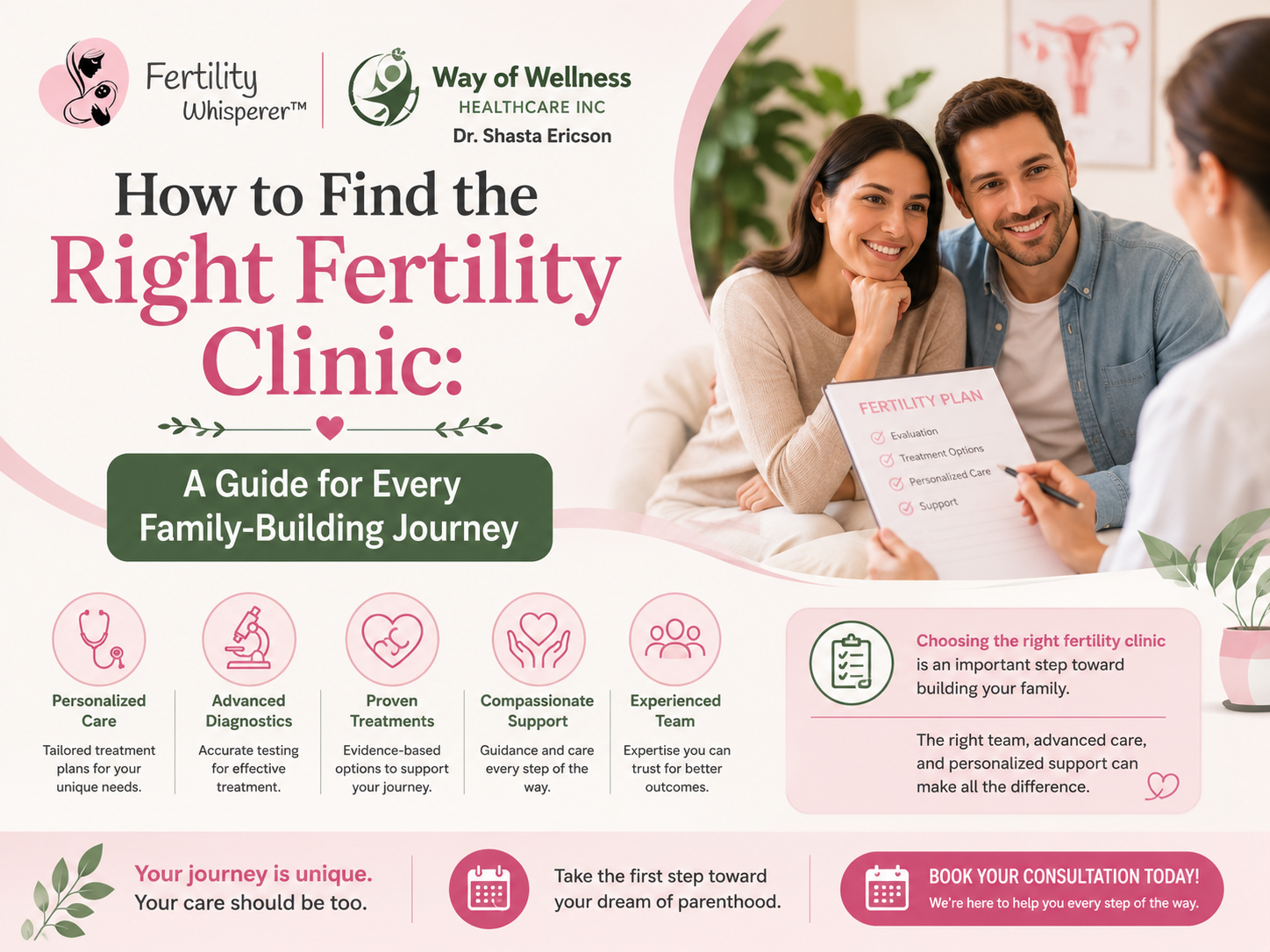
The choice of a fertility clinic should be made taking into account an analysis of your medical needs, statistics, experience of specialists, and a personalized approach. The ideal clinic is a combination of the evidence-based approach, transparency, and care during the whole process of creating a family.
Initiating a fertility treatment requires important decisions on your side. Regardless of whether you have been trying to get pregnant for several months, have had a miscarriage, or are thinking about fertility preservation, the choice of a good clinic will help you make this process well-informed.
What Is a Fertility Clinic?
A fertility clinic is a healthcare facility focused on diagnosing and treating any reproductive disorders affecting fertility. Also known as a fertilization clinic, this type of center performs diagnostics, testing, fertility treatments, and fertility preservation programs, including IVF and IUI.
In addition, many clinics cooperate with such specialists as reproductive endocrinologists, embryologists, genetic counselors, nutritionists, and psychologists.
When Should You Visit a Fertility Clinic?
You may benefit from scheduling a consultation if:
- You’ve been trying to conceive for 12 months (or 6 months if you’re over 35).
- You have irregular or absent menstrual cycles.
- You’ve experienced recurrent miscarriages.
- You have a diagnosis such as PCOS, endometriosis, or low ovarian reserve.
- Male factor infertility is suspected.
- You’re planning fertility preservation before cancer treatment or delaying parenthood.
Seeking care early often provides more treatment options and allows specialists to identify potential concerns before they become more complex.
How to Choose the Right Fertility Clinic
Scheduling a consultation will be helpful for you if:
- You have been unsuccessfully trying to conceive for 12 months (or 6 months if you are older than 35).
- Your menstrual periods are irregular or missing.
- You have had repeated pregnancy losses.
- You have one of the following diagnoses: PCOS, endometriosis, or ovarian reserve deficiency.
- You have male factor infertility.
You want to preserve your fertility prior to cancer treatment or delayed parenthood.
Early consultation can help to increase the number of treatment options available and allow the specialists to detect any problems that may exist before they become more complicated.
Choosing the Right Fertility Clinic
Choosing a fertility clinic requires more than finding a fertility clinic near me. Take into account the following practical aspects before deciding.
1. Check the Credentials of the Physicians
Find a reproductive endocrinologist who has experience in treating similar cases. The clinics that are willing to publish physician’s credentials and expertise show more openness and honesty.
Ask about:
- Experience in practice
- Specialization
- Education and participation in research projects
2. Understand the Services Offered
Every patient will have a unique fertility experience. It is best to visit a center where you will be offered all possible diagnostics and treatments, including:
- Fertility analysis
- Ovulation tracking
- IUI
- IVF
- Fertility freezing
- Services related to donor eggs and/or sperm (if required)
- Genetic testing if required
Access to various types of treatment helps to adapt the strategy if necessary.
3. Pay Attention to Success Rates
Statistics are important; however, they must be considered correctly.
For instance, the IVF success rate may vary according to such criteria as:
- Age
- Diagnosis
- Quality of eggs
- Embryos
- Prior treatments
A reliable clinic explains all these aspects rather than making promises. You need to know what the success rates mean for patients with a similar history during your first consultation.
4. Consider the Communication Style and Patient Support
During the initial consultation, you will get a good idea about the attitude of a center to its patients.
See if the staff:
- Listens to you carefully
- Explains treatment options
- Provides the answer without hurry
- Sets realistic expectations about the timeline
Communication with a doctor usually helps patients to feel more relaxed.
5. Think of Convenience Without Sacrificing Quality
The search for “fertility clinic near me” is an obvious starting place because fertility treatment usually involves a number of visits over several weeks.
Nevertheless, convenience needs to be weighed against:
- Expertise of the clinical staff
- Advanced equipment
- Quality of laboratory services
- Facilities and services for patients
- Slightly more distance sometimes means a higher level of specialization.
Questions You Should Ask During Your First Visit
It is always good to think up a list of questions in advance so that you can make your comparison.
Think of asking:
- What tests should I have?
- What treatment is appropriate for my condition?
- How long does it normally take to make an evaluation?
- How much does everything cost?
- How will we communicate between visits?
- Are there counseling and/or support services?
A Realistic Example
Picture a 34-year-old couple that had been trying to conceive for over a year with no success. After the first consultation with a fertility specialist, it was determined that they had mild male factor infertility and ovulation problems. Rather than being recommended to start with IVF at once, they were asked to go through several months of ovulation induction with timed monitoring before moving to IUI.
These kinds of experiences show how important it is to receive personalized treatment rather than going straight into unnecessary procedures. Why Individualized Fertility Care Is Important
Each person’s fertility journey is unique.
Age, hormone levels, medical history, lifestyle, and reproductive goals all play a role when choosing the right treatment.
The aim of Fertility Whisperer™ clinic is to provide individualized care using evidence-based medicine and open communication.
Conclusion
Finding the right fertility clinic includes assessing its expertise, range of treatments provided, communication policy, transparency of the processes, and ability to provide personalized care. Not only should you consider the proximity of a clinic, but you also need to be aware of your rights and possibilities.
Take your time to learn as much as you can before making a choice.
Author Bio
Dr. Shasta Ericson, MD is a fertility specialist and reproductive health expert dedicated to helping individuals and couples navigate infertility with evidence-based, compassionate care. Through Fertility Whisperer™, Dr. Ericson focuses on personalized fertility evaluations, IVF guidance, fertility preservation, and patient education, empowering families to make informed decisions throughout every stage of their reproductive journey.
FAQs
What is a fertility clinic?
A fertility clinic is a specific healthcare facility that diagnoses and treats problems with conception through such services as fertility tests, IVF, IUI, fertility preservation, hormone tests, etc.
How do I select the best fertility clinic nearby?
Consider physician credentials, treatment options offered, client reviews, laboratory criteria, communication approach, and transparency in providing information about success rates.
Are a fertilization clinic and a fertility clinic the same?
Yes, though “fertilization clinic” is not a standard term and may be considered as a slang phrase. Both concepts are generally used interchangeably.
When should I visit a fertility clinic?
If you have been trying to get pregnant for more than one year (six months for women over 35 years old), experience irregular menstrual cycles, recurrent miscarriages, or have any other reproductive issues, it’s the right moment to make an appointment.
Does visiting a fertility clinic mean that I will have to go through IVF?
No, most women undergo diagnosis or use less radical methods like medication and IUI. IVF is prescribed only if it is necessary for the particular patient.
Leave a Reply