Tag: #FertilityTreatment

  • What Does a Fertility Specialist Do? Treatments, Costs, and When to See One

    What Does a Fertility Specialist Do? Treatments, Costs, and When to See One

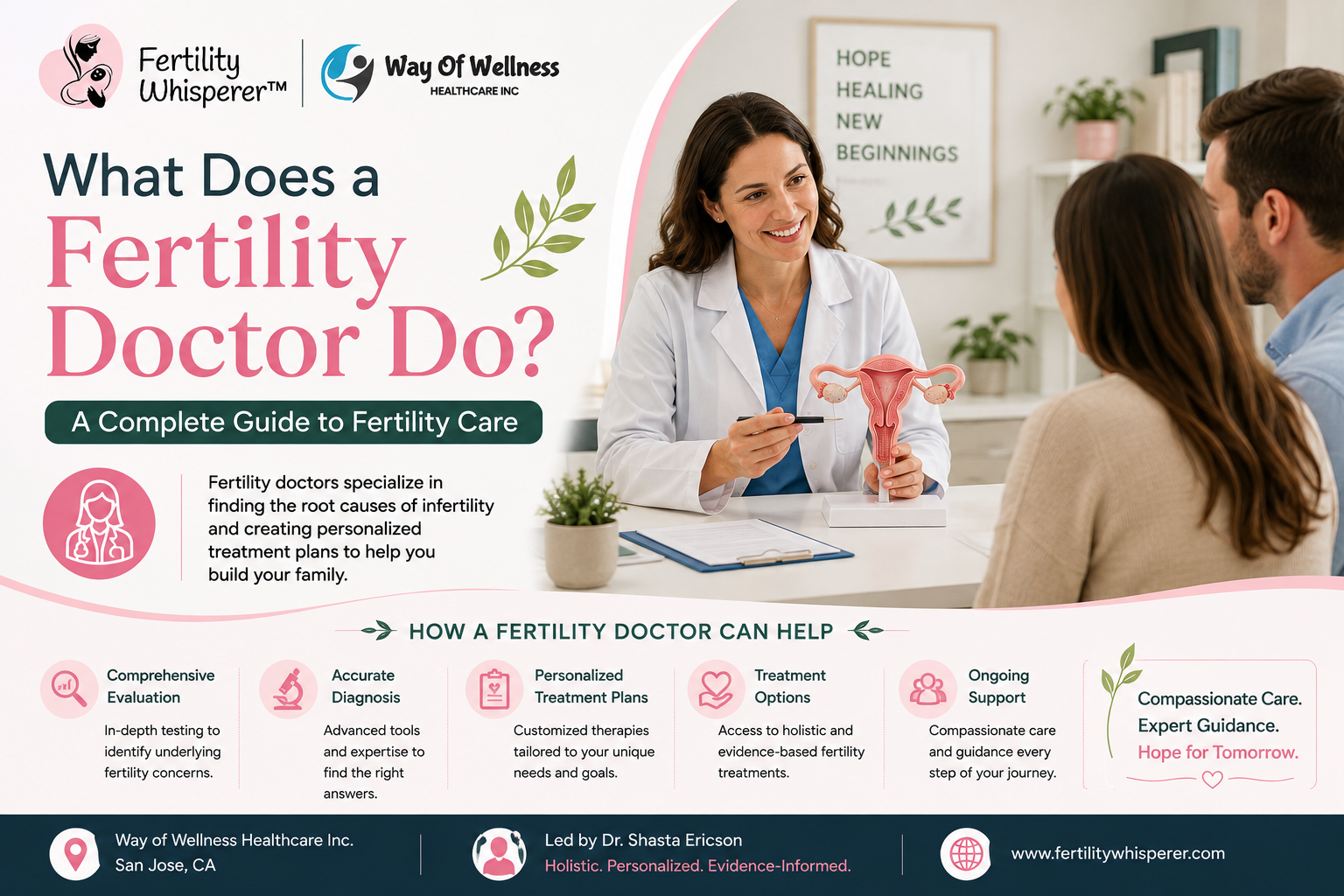
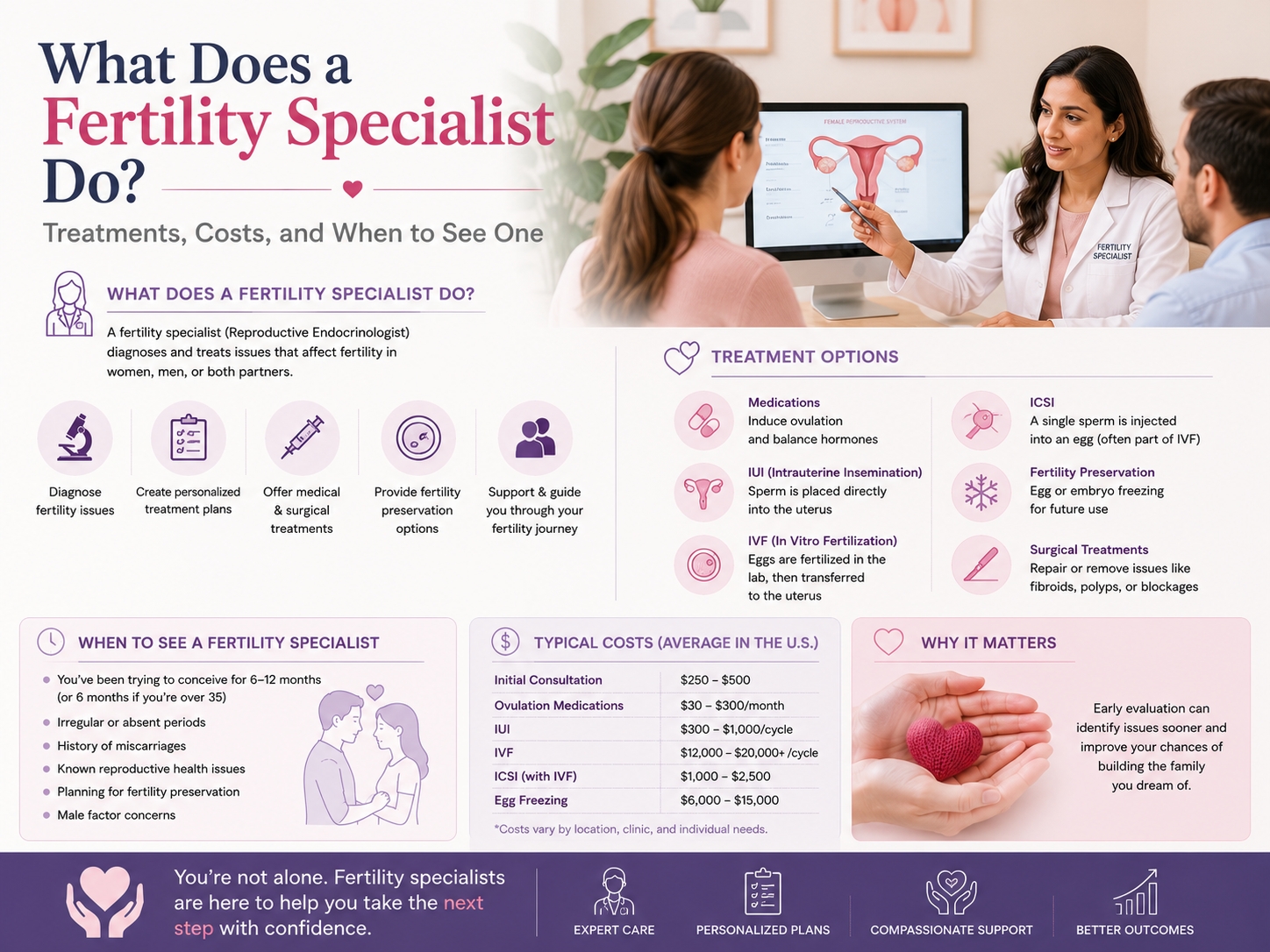
    A fertility specialist is a physician who has expertise in diagnosing and treating the disorders of the reproductive system that impact fertility and conception. They assess couples, discover the reason behind their fertility problems, and suggest individual treatments like ovarian stimulation, intrauterine insemination (IUI), in vitro fertilization (IVF) or fertility preservation. Getting an early appointment with a fertility specialist could save a lot of time for the patients.

    Often, individuals look for a “fertility specialist near me” after many months or even years of confusion and hopelessness. However, it is important to learn about the work of these specialists and what conditions might require a visit. That way, the process of fertility treatment will become easier for the patient.

    What Is a Fertility Specialist?

    The fertility doctor is alternatively referred to as a reproductive endocrinologist, which is an OB-GYN with extensive training in infertility and reproduction. The fertility specialists treat and diagnose issues related to fertility in both males and females.

    Some of the common issues that require the assistance of such specialists include:

    • PCOS and ovulatory problems
    • Endometriosis
    • Low sperm count or low sperm motility
    • Recurrent miscarriages
    • Imbalances in hormones
    • Unexplained infertility
    • Decline in fertility due to age

    Preservation of fertility before undergoing treatments

    It is an important truth that most patients do not seem to know, but infertility is not just a problem for women. Nearly 40 to 50% of the fertility issues can be attributed to male infertility.

    When Should You See a Fertility Specialist?

    Consider visiting a specialized fertility center if you:

    • Are younger than 35 and have been trying for 12 months but cannot conceive
    • Are over 35 and have tried for six months
    • Have irregular or absent periods
    • Have a history of multiple miscarriages
    • Have reproductive diseases such as PCOS or endometriosis
    • Are interested in egg freezing
    • Have a history of pelvic surgery, chemotherapy, and hormonal imbalances

    In the treatment of fertility issues through clinical practices, early assessment saves a lot of time. Most individuals assume that it is stress causing their inability to conceive, while there may be other problems involved.

    What Happens During a Fertility Evaluation?

    The first visit to the fertility specialist revolves around your medical history, reproductive history, and lifestyle habits.

    Some of the tests include:

    • Blood tests for hormone levels
    • Ovulation monitoring
    • Pelvic ultrasound
    • Ovarian reserve tests (AMH levels)
    • Sperm test
    • Fallopian tube test (HSG)

    Diagnostic tests take place over the course of one menstrual period. The specialist evaluates the findings and formulates a treatment plan tailored to your age, diagnosis, and reproductive needs.

    At Fertility Whisperer™, it is advised that patients get as many questions as possible answered during consultations regarding their treatment plans.

    Common Treatments Offered by Fertility Specialists

    But not all patients require IVF as the first option of treatment.

    Ovulation Induction

    When the female body doesn’t ovulate normally, certain drugs such as Letrozole or Clomid can help to stimulate the ovulation process.

    It is usually advised to PCOS patients and is used along with cycle monitoring and timed intercourse over several months.

    Intrauterine Insemination (IUI)

    In this method, the processed sperm is placed in the uterus of the woman during the ovulation period.

    It may be required in case of:

    • Mild male factor infertility
    • Ovulatory dysfunction
    • Cervical factors
    • Unexplained infertility

    The success rate varies based on age and diagnosis; however, many fertility centers claim an average success rate of 10-20% per cycle.

    In Vitro Fertilization (IVF)

    In IVF, eggs are retrieved and fertilized in the laboratory and then transferred to the uterus.

    A fertility doctor may suggest IVF in the following cases:

    • Blocked fallopian tubes
    • Severe male factor infertility
    • Maternal age
    • Treatment failure
    • Need for genetic testing

    An average cycle of IVF takes about 6-8 weeks. Specialist fertility makes ethical estimations of the result and doesn’t guarantee anything.

    Fertility Preservation

    Egg freezing and embryo freezing allow patients to preserve reproductive potential for the future.

    This option is increasingly common among patients delaying parenthood for personal, medical, or career-related reasons.

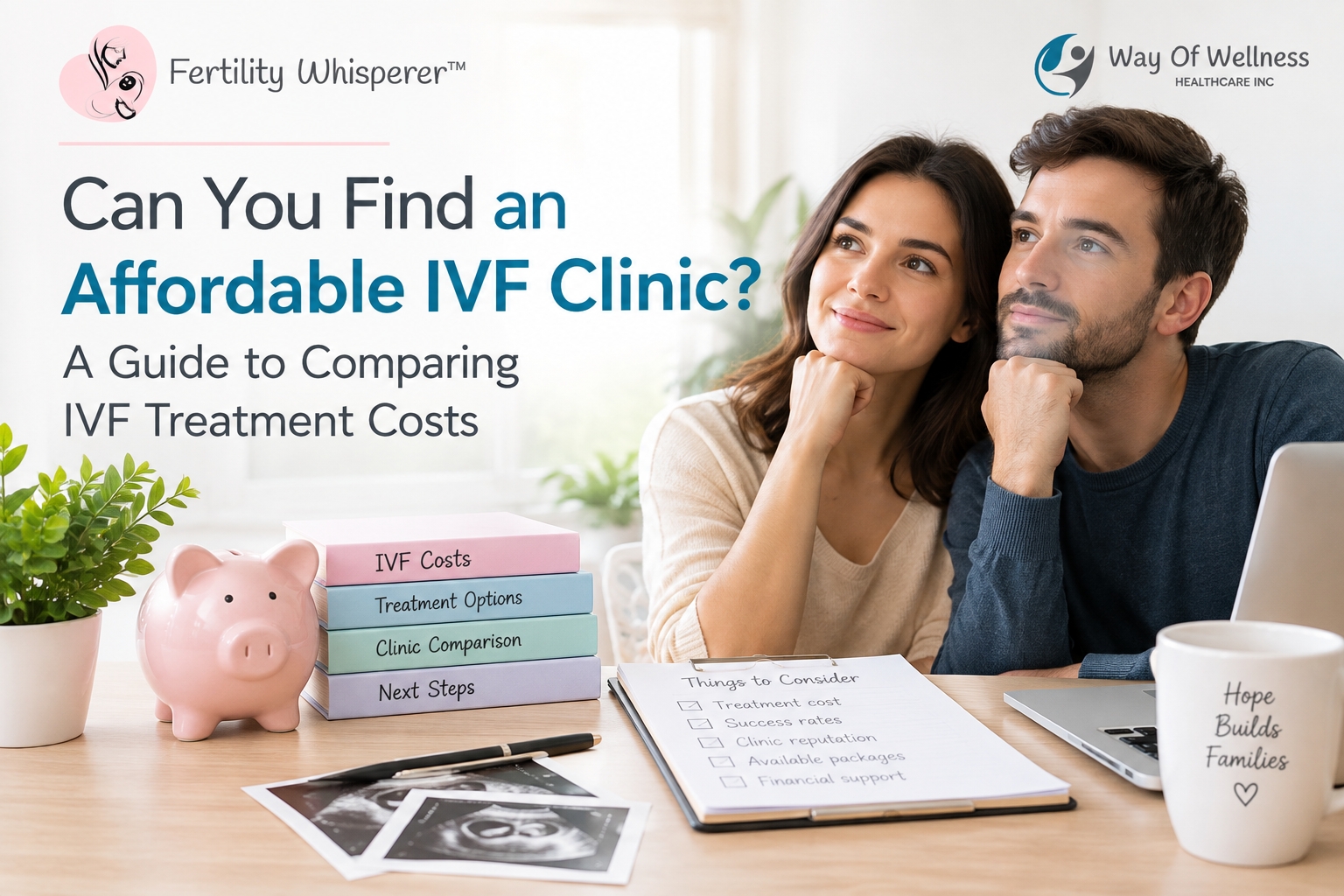
    How Much Does Fertility Treatment Cost?

    One of the main concerns of people trying to find a fertility doctor in San Jose or anywhere else in the US is the price factor.

    Typical cost range brackets are:

    • Consultation fee: $200-$500
    • Fertility tests: $500-$3,000
    • IUI treatment: $300-$4,000
    • IVF treatment: $12,000-$25,000+
    • Egg freezing: $6,000-$15,000

    Medical costs are typically charged separately and could heavily influence the overall treatment costs.

    A reputable fertility clinic should provide transparent information regarding the price and financial arrangements prior to starting

    How to Choose the Right Fertility Specialist

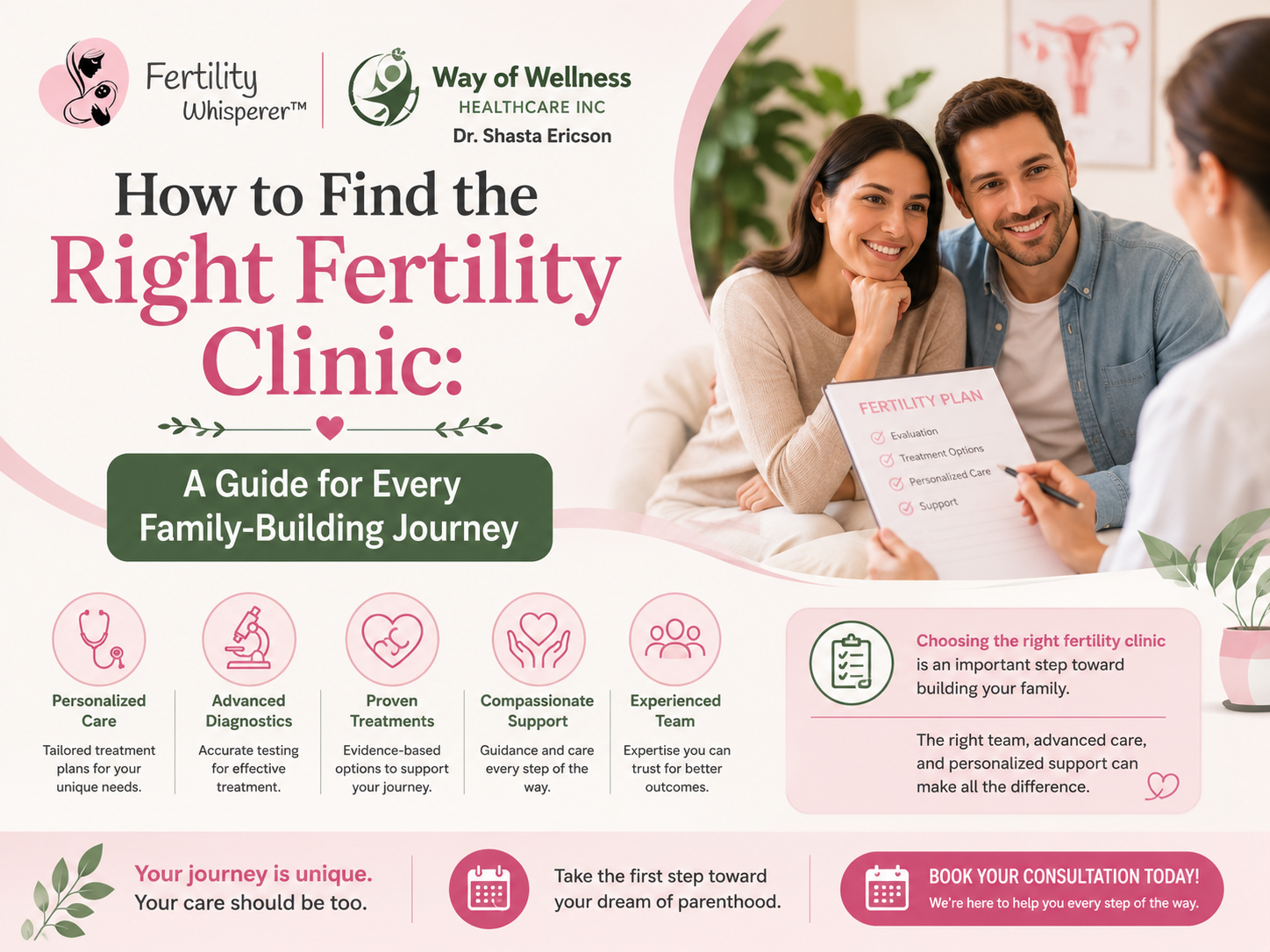
    Finding “fertility specialists near me” online may seem daunting due to all the similar services that clinics provide. Nonetheless, experience, mode of communication, and transparency make all the difference.

    Here is what you need to consider when selecting your fertility specialist:

    • Check whether they have been certified in reproductive endocrinology
    • Inquire on the clinic’s success rates and laboratory accreditation
    • Consider patient reviews
    • Understand the cost of all treatments

    Select a clinic that explains everything without pushing you into action.

    The Emotional Side of Fertility Care

    However, fertility therapy is not limited to physiological interventions, there is an emotional side too, and many patients are experiencing fear, frustration or difficulties in their relationships.

    Well experienced fertility experts are aware of that, and quite often recommend counseling, stress-reduction techniques and support groups in addition to physical therapy.

    At Fertility Whisperer™ patient education and emotional support are deemed to be very important aspects of fertility treatment.

    Author Bio

    Dr. Shasta Ericson is a reproductive health and fertility expert specializing in personalized fertility care, hormone balance, and evidence-based reproductive treatments. Through Fertility Whisperer™, Dr. Ericson helps individuals and couples better understand infertility, explore treatment options, and make informed reproductive health decisions with confidence and clarity.

    Conclusion

    A fertility specialist will help understand what is going on medically speaking in terms of infertility, and develop a customized treatment plan for you. Be it ovulation therapy, IUI, IVF or fertility preservation, early evaluation will help define and structure your further steps.

    If you have not managed to conceive or simply want to get more information about your reproductive system, consulting a specialist is the way to go.

    FAQs

    What Conditions Does a Fertility Specialist Treat?

    A fertility specialist treats infertility, hormonal imbalances, ovulation problems, male-factor infertility, recurrent pregnancy loss, and any other condition that is interfering with conception.

    How Long Will It Take to Have My Fertility Testing Done?

    Most fertility testing can be done within 2-6 weeks based on menstrual cycle timing and test requirements.

    Do I Need IVF?

    No. There are many patients who conceive without IVF using lifestyle modification, ovulation treatment, or intrauterine insemination.

    When Should I See a Fertility Specialist? 

    If you are under age 35, you should seek help if you have been trying for one year, but if you are older than 35, you may want to consider six months of trying.

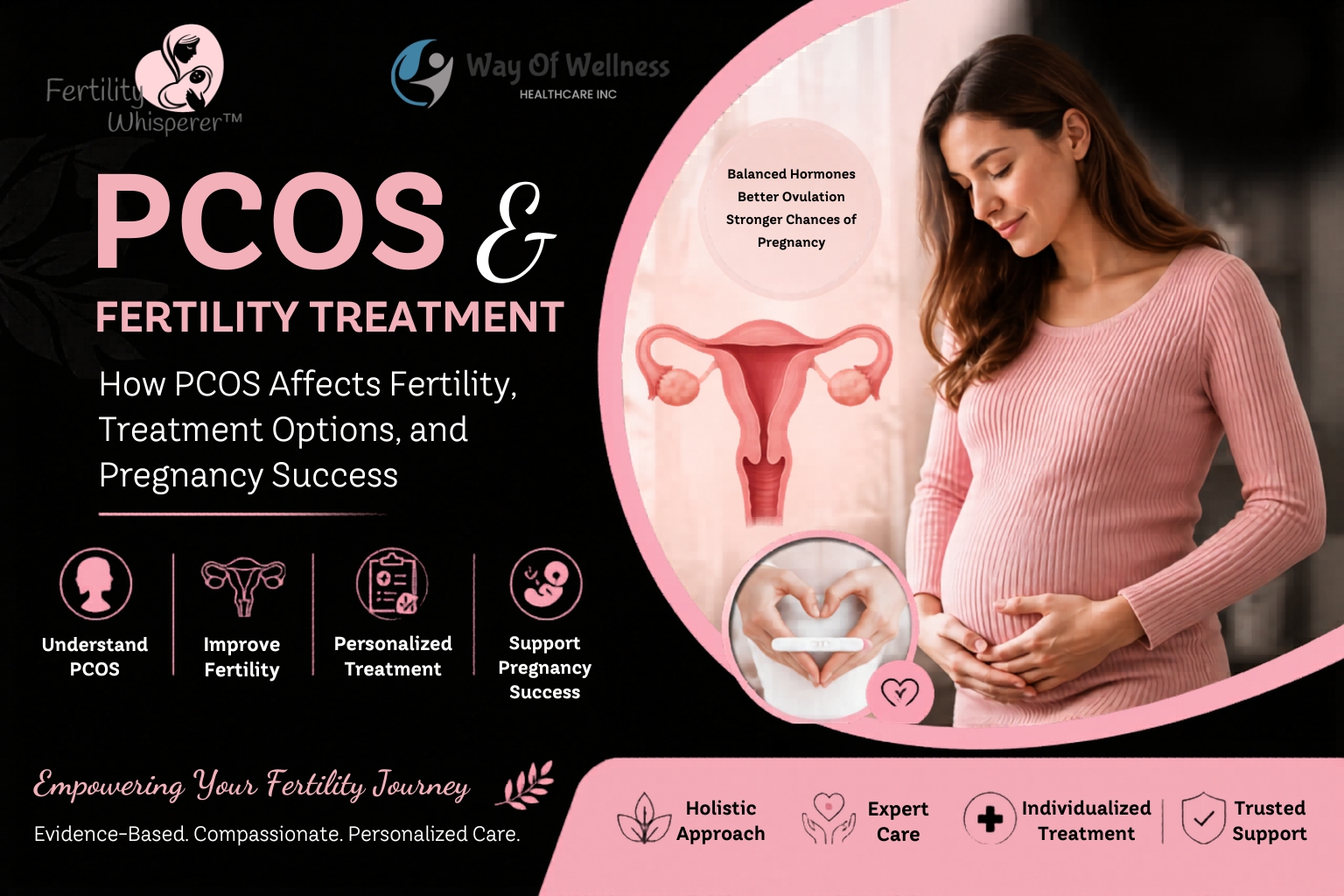
  • PCOS and Fertility Treatment: How PCOS Affects Fertility, Treatment Options, and Pregnancy Success

    PCOS and Fertility Treatment: How PCOS Affects Fertility, Treatment Options, and Pregnancy Success

    Women diagnosed with PCOS can conceive, and indeed, there are numerous success stories. Even though PCOS affects ovulation and thus makes conception more challenging, there are various ways in which fertility can be addressed successfully through medications, lifestyle changes, and other fertility interventions.

    Polycystic Ovary Syndrome (PCOS) is a leading cause of female infertility. This condition not only disrupts the body’s hormones but also ovulation and reproductive functioning as well. As a result, the presence of PCOS in women who desire to conceive can be quite discouraging.

    The good thing is that polycystic ovary syndrome infertility treatment is available. When handled correctly, PCOS does not have to hinder the process of conception and successful pregnancy.

    This manual offers information on the link between PCOS and infertility, methods used to treat this condition, and improve fertility, among other things.

    Understanding PCOS and Fertility 

    PCOS is a hormonal disorder that affects the functioning of the ovaries. The common symptoms of PCOS include high levels of male hormones (androgens), menstrual irregularities, and the presence of many small follicles in the ovaries.

    In terms of fertility issues caused by PCOS, the biggest one is the absence of or irregular ovulation.

    Ovulation plays a crucial role in releasing the egg from the ovaries for fertilization. Therefore, when ovulation does not occur, conceiving becomes more challenging.

    But just because a woman has PCOS, she cannot get pregnant.

    How Does PCOS Affect Your Fertility?

    It is crucial to understand why conception is hard if you suffer from PCOS.

    Irregular Ovulation

    Not all women with PCOS experience regular ovulation, and therefore, conception opportunities are limited.

    Hormonal Disbalance

    Women suffering from PCOS have increased levels of male hormones, which can cause a disturbance in the functioning of the ovaries.

    Insulin Resistance

    This problem affects a great number of women who have PCOS. It is connected with hormonal imbalance and other consequences.

    Egg Maturation Issues

    Although women with PCOS often have numerous ovarian follicles, those follicles may not mature properly, preventing the release of a healthy egg.

    These factors explain why many patients seek polycystic ovary syndrome infertility treatment after months or years of unsuccessful attempts to conceive.

    Real Experience: A Common PCOS Fertility Journey

    A typical case fertility experts encounter is when women have cycles every two to four months and have attempted to conceive for more than a year.

    If a fertility evaluation is performed, likely, the problem isn’t that a woman is unable to conceive, but that her ovulation is irregular.

    Many times, the initial step in treatment involves lifestyle changes and ovulation induction drugs. Some women will become pregnant after a few months, and other women might need more fertility treatments.

    This is a crucial factor to keep in mind: fertility problems associated with PCOS can be very personal. Some women may find that this works for them while others may not based on their age, hormone levels, weight, insulin sensitivity and overall reproductive health.

    Polycystic Ovary Syndrome Fertility Treatment

    There are a number of treatment options available that can help with fertility for women with PCOS.

    Lifestyle Modifications

    For women who are overweight or insulin resistant, lifestyle changes are typically the first step, particularly.

    Any amount of weight lost, even small amounts, can help with ovulation and regulating hormones.

    Practical strategies include:

    • Eating a healthy diet with a healthy balance of whole foods
    • Reducing highly processed foods and added sugars.
    • Exercising regularly
    • Prioritizing quality sleep
    • Managing stress levels

    Studies have demonstrated some improvement in fertility in PCOS women after 5-10% reduction in body weight.

    Ovulation Induction Medications

    A very common treatment for PCOS is the use of medications that induce ovulation.

    These drugs regulate the release of eggs from the ovary more frequently, thus making it more likely that a woman will conceive.

    Treatment is monitored to evaluate ovarian response, assessing timing.

    PCOS and Fertility Drugs

    The connection between PCOS and fertility drugs is a proven fact in reproductive medicine.

    Lifestyle changes may not be enough to restore regular ovulation, in which case, fertility medications may be suggested.

    Fertility specialists may prescribe fertility drugs that:

    • Stimulate egg development
    • Trigger ovulation
    • Improve hormonal balance
    • Enhance reproductive function

    Most patients have regular monitoring with ultrasounds and hormone testing to ensure they are monitored in a safe and effective manner.

    Intrauterine Insemination (IUI)

    Some couples may be offered the opportunity to use IUI in combination with ovulation-stimulating drugs.

    This is the technique of introducing prepared sperm into the uterus close to the time of ovulation, which increases the likelihood of fertilization.

    In Vitro Fertilization (IVF)

    It is an option that couples can consider.If other treatments fail or other contributing factors to fertility are involved, IVF might be an option.

    In patients who have a combination of other fertility issues, IVF is a successful treatment option that has enabled many women with PCOS to conceive.

    PCOS can be treated to increase fertility.

    Numerous women ask themselves what they can do immediately to get pregnant.

    Here are some evidence-based steps you can take to support fertility when you have polycystic ovaries:

    Track Ovulation Carefully

    PCOS doesn’t always work out in terms of ovulation. Fertility specialists are available to aid in discerning which methods are the most reliable for tracking fertility.

    Make an appointment to have a Fertility Evaluation Early!

    If women under 35 have been trying to conceive for a year, they should get evaluated. Seek advice after six months for women who are >35 years old.

    Examine metabolic health

    Better insulin sensitivity could have a beneficial effect on ovulation and reproductive function.

    Don’t Delay Treatment

    Early intervention can increase treatment options and may increase treatment success rates.

    Partner up with a  Fertility Specialist

    A treatment plan tailored to the individual can target the particular hormonal and reproductive issues involved with conception.

    At Fertility Whisperer™, patients are able to better understand their options and make informed decisions on their reproductive future through individualized fertility planning.

    How High are the Chances of Pregnancy?

    The success of pregnancy depends on a variety of factors, such as:

    • Age
    • Weight
    • Ovulation patterns
    • Overall reproductive health
    • The presence of any other fertility condition.
    • Treatment approach

    Some women with PCOS are able to fall pregnant using the ovulation induction method, fertility drugs, or assisted reproductive technology (ART).

    Although it’s not a sure thing, progress in fertility has brought a lot of improvement to women who wish to undergo fertility procedures for polycystic ovaries.

    Perhaps most importantly, patients should get a proper diagnosis and treatments tailored to them.

    Setting Realistic Expectations

    Realistic expectations are one of the most crucial trust-building talks in fertility treatment.

    Even with treatment, it may not be possible to conceive right away.

    For some patients, they may conceive after the first few cycles of treatment, and for others, it could take several months of multiple interventions.

    Patients often have to be patient with their fertility journey, keep monitoring, and adjust the treatment plan as they go.

    Treatment must be seen as a process, with no one-size-fits-all approach to fertility treatment.

    Final Thoughts

    PCOS is one of the most frequent causes of infertility and can be treated.

    If women are having trouble getting pregnant, have irregular periods, or are not getting pregnant, there are several options available for treatment. Advanced technologies, lifestyle changes, and fertility treatments are available to many people and couples with PCOS and offer hope for infertility.

    If properly evaluated, appropriately cared for, and with realistic expectations, many women with PCOS can become pregnant and become parents to the family they want. Fertility treatment for polycystic ovaries is possible now.

    Ready to take the next step in your fertility journey? Connect with Fertility Whisperer™ for personalized guidance and expert support tailored to your unique PCOS fertility goals.

    About the Author

    Dr. Shasta Ericson, Fertility Specialist

    Dr. Shasta Ericson is a fertility expert with extensive experience helping individuals and couples navigate complex reproductive challenges, including PCOS-related infertility. Through personalized fertility assessments, evidence-based treatment planning, and patient-centered care, Dr. Ericson has supported countless patients on their journey toward parenthood. 

    As a trusted voice behind Fertility Whisperer™, she specializes in fertility optimization, reproductive health education, and individualized treatment strategies designed to empower patients with clear, actionable guidance.

    Frequently Asked Questions

    Can women with PCOS get pregnant naturally?

    Yes. For some women with PCOS, conceiving naturally is possible, especially if they have regular ovulation. Others might find it worthwhile to seek fertility treatment.

    What is the optimal treatment for polycystic ovary syndrome for fertility?

    Treatment will vary for each person depending on their age, ovulation status, hormone levels, and reproductive health. The first line of treatment is usually a change in lifestyle and medications to induce ovulation.

    What is the relationship between PCOS and fertility drugs?

    Using fertility drugs can stimulate ovulation, making it more likely that an egg will be released and making it more likely that the chance of conception will be increased.

    Do weight loss benefits exist with PCOS?

    Even small amounts of weight loss can make a difference in hormone levels, ovulation, and fertility for women who are overweight.

    How much time does it take to conceive with PCOS treatment?

    Timelines vary significantly. While some women become pregnant in a few months, others might need longer therapies and more sophisticated reproductive procedures.

    Does IVF have to be performed on all women who have PCOS?

    No. For many women, the path to pregnancy begins with lifestyle adjustments, ovulation-inducing drugs, and/or IUI, rather than with IVF.

  • What Is IVF and How Does It Work? A Step-by-Step, Evidence-Based Guide

    What Is IVF and How Does It Work? A Step-by-Step, Evidence-Based Guide

    IVF (in vitro fertilization) is a technique in medicine whereby an egg is fertilized by sperm in a test tube and inserted into the uterus to conceive. It is among the best fertility treatments that are available in the present, particularly to those couples who have complicated reproductive problems. The IVF process is characterized by a series of well-timed procedures that include ovarian stimulation, retrieval of eggs, fertilization and transfer of embryos.

    IVF to many people and couples is a new hope after months and even years of trying to conceive. Reproductive medicine has taken a step forward and IVF treatment has become more accurate, safe, and accessible than ever. Knowing the medical and practical aspects of IVF may enable you to handle the process with assurance, clarity, and realistic thoughts.

    What Is IVF?

    IVF meaning is in vitro fertilization, where “in vitro” means “in glass.”. Simply, it is the fertilization of an egg using sperm in the laboratory rather than within the body.

    This technique is usually prescribed to:

    • Obstructed fallopian tubes.
    • Low sperm count or motility (male factor infertility)
    • Ovulation disorders
    • Unexplained infertility
    • Age-related fertility decline

    Compared to natural conception, IVF enables fertility specialists to monitor and oversee every step of the reproductive process, enhancing the probability of success.

    Why Is IVF Treatment Done?

    IVF therapy is not necessarily the initial step. Most couples attempt more basic treatments such as medication or intrauterine insemination (IUI) first. IVF is commonly suggested however, when:

    Other interventions have been unsuccessful in 6-12 months.

    • The lady is above 35 and time is of the essence.
    • Genetic issues, where embryos are to be screened.
    • There is severe male infertility.

    Practical understanding: In practice, when a patient has not been able to get pregnant in 2-3 years, they resort to IVF, which is likely to be emotionally and physically draining. IVF provides a way to go with evidence-based approaches.

    Step-by-Step IVF Process

    Learning about the IVF process can help alleviate anxiety and create realistic expectations. The average IVF cycle lasts between 4-6 weeks.

    1. Ovarian Stimulation (10–14 Days)

    You will have to inject hormones to get your ovaries to produce a series of eggs rather than the one egg that is secreted during a natural cycle.

    What to expect:

    • Homely injections daily.
    • Periodic ultrasounds and blood tests.
    • Light side effects such as bloating or mood swings

    Practical suggestion: Injections should be on a regular schedule, and to stay consistent, it is recommended to have a fixed time per day dedicated to injections.

    2. Day Procedure Egg Retrieval

    When the eggs are ready a small surgical operation is carried out to extract the eggs.

    Key details:

    • Performed in mildest trance.
    • Takes about 15–20 minutes
    • None of the significant downtimes (patients bounce back on the same day)

    Real experience signal: It is normal to retrieve 8-15 eggs on average, however, not all eggs will be alive, this is entirely normal.

    3. In Vitro Fertilization

    Sperm and the eggs collected are put together in a controlled laboratory setting.

    Two methods exist:

    • Conventional IVF
    • ICSI (Intracytoplasmic Sperm Injection)

    Outcome insight: On average, approximately 60-70 percent of mature eggs will be fertilized, based on age and sperm quality.

    4. Embryo Development (3–5 Days)

    Growing fertilized eggs (embryos) are tracked.

    Stages include:

    • Day 3: Cleavage stage
    • Day 5: Blastocyst stage

    What is important here: Not every embryo makes it to the blastocyst stage. It is not all about quantity but quality.

    5. Embryo Transfer (Simple Procedure)

    A qualified embryo is inserted into the uterus via a fine catheter.

    What to expect:

    • Painless procedure
    • No anesthesia needed
    • Takes about 10 minutes

    Hint: Following transfer, normal daily activity is usually safe, no bed rest is necessary.

    6. Pregnancy Test (Two-week Wait)

    Pregnancy is confirmed about 10-14 days after embryo transfer, by a blood test.

    Emotional reality: This wait time can be stressful. Staying busy and not over-checking symptoms is beneficial to many patients.

    Success Rates and What Affects Them

    The success rates of IVF are diverse depending on a number of factors:

    • Age: Women younger than 35 years are more successful (approximately 40-50% per cycle).
    • Quality of eggs and sperms.
    • Uterine health
    • Lifestyle (smoking, weight, stress).

    Clear expectation: IVF cannot be used to conceive in a single cycle. Most patients take 2-3 cycles to be successful.

    IVF Risks and Side Effects

    Although IVF is not as risky, one should be aware of the possible risks:

    • Ovarian Hyperstimulation Syndrome (OHSS).
    • Multiple pregnancies
    • Emotional stress

    Practical tip: Select a clinic that is focused on patient education and emotional support; not only on clinical outcomes.

    Realistic Timeline Example

    The following is a common IVF schedule:

    Week 1–2: Ovarian stimulation

    Week 3: Egg retrieval and fertilization.

    Week 4: Embryo transfer

    Week 6: Pregnancy confirmation

    Total time: Approximately 4-6 weeks each cycle.

    Practical Pre-IVF Pointers

    1. Full Fertility Checkup

    Early testing of both partners should be done to determine root causes.

    2. Optimize Your Health

    • Have a normal BMI.
    • Cut down on caffeine and alcohol.
    • Quit smoking

    3. Track Your Cycle

    Knowing your natural cycle can assist in planning.

    4. Ask the Right Questions

    • Success rates of your age group in the clinics.
    • Embryo transfer policies
    • Full cost breakdown

    5. Get ready, both emotionally and financially

    The presence of a support system can help in making the process easier.

    How Fertility Whisperer™ Helps You Navigate IVF

    At Fertility Whisperer™, a brand owned by Way of Wellness Healthcare Inc., emphasis is on merging medical knowledge with individualized treatment. Patients get customized fertility solutions, clear communications, and counseling for their body and mind during the IVF procedure.

    Conclusion

    IVF is an extremely scientific process which has helped many couples around the world to conceive and start their families. Though the whole procedure may appear very complex at first glance, it can be easily comprehended and managed when split into simple steps. If one sets realistic goals, consults a professional and receives appropriate assistance and advice, he or she can benefit from IVF much more than otherwise.

    Those who are planning to use assisted reproduction techniques like IVF should educate themselves and find out everything necessary about the procedure. In this case, they will be able to get the best possible result.

    Frequently Asked Questions (FAQs)

    How Long Does It Take to Do IVF?

    The standard duration of one IVF cycle lasts between 4-6 weeks.

    Is IVF Painful?

    All stages include slight discomfort, but the procedures are pain-free.

    What Are the Odds of Successful IVF Treatment?

    Success rate varies. But for women younger than 35 years old, it lies within 40-50%.

    How many IVF cycles does it usually take to get pregnant?

    Most people may need 1–3 IVF cycles to achieve pregnancy, depending on factors like age, embryo quality, and overall reproductive health.