Tag: #FertilityClinic

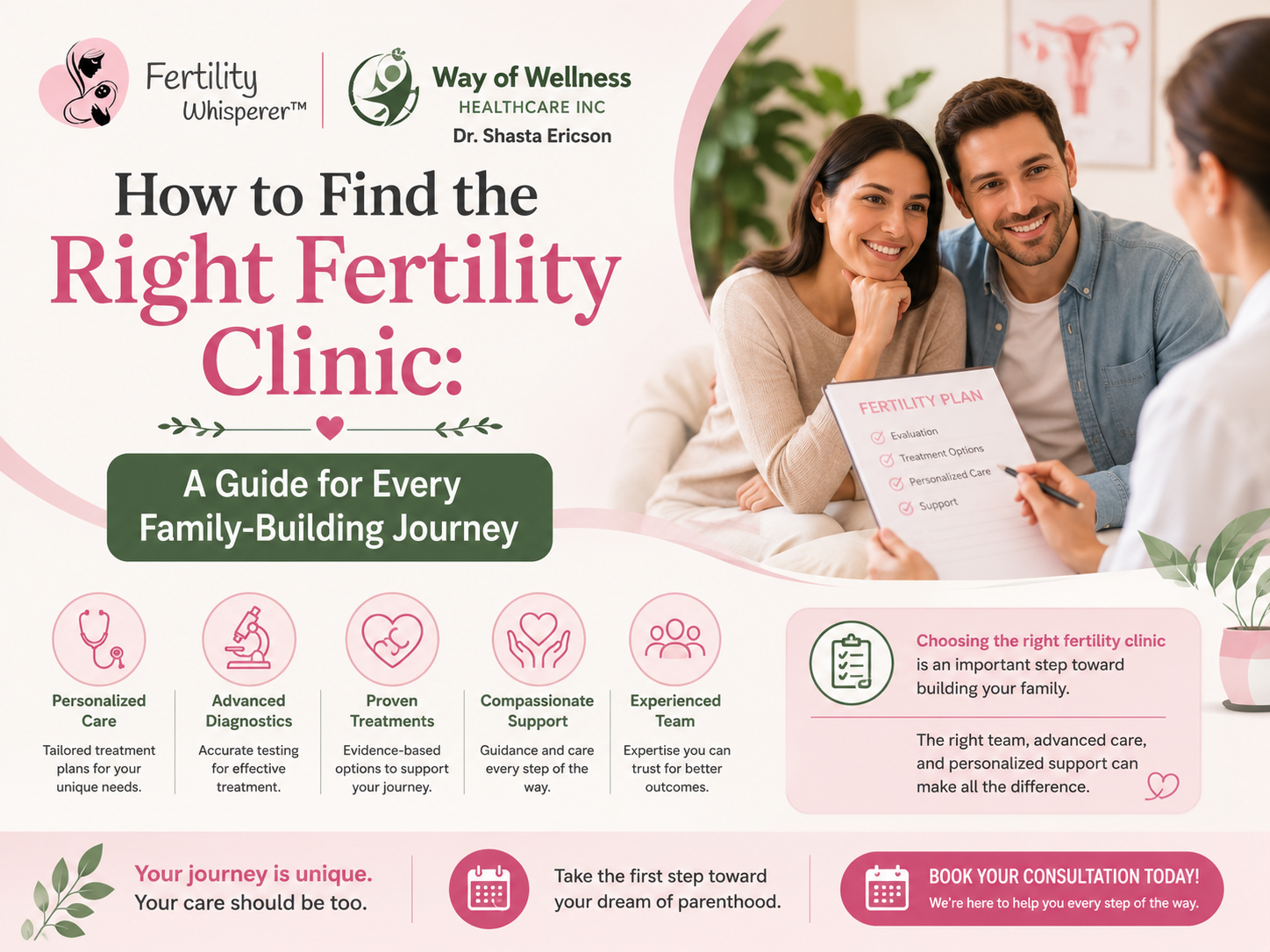
  • How to Find the Right Fertility Clinic: A Guide for Every Family-Building Journey

    How to Find the Right Fertility Clinic: A Guide for Every Family-Building Journey

    The choice of a fertility clinic should be made taking into account an analysis of your medical needs, statistics, experience of specialists, and a personalized approach. The ideal clinic is a combination of the evidence-based approach, transparency, and care during the whole process of creating a family.

    Initiating a fertility treatment requires important decisions on your side. Regardless of whether you have been trying to get pregnant for several months, have had a miscarriage, or are thinking about fertility preservation, the choice of a good clinic will help you make this process well-informed.

    What Is a Fertility Clinic?

    A fertility clinic is a healthcare facility focused on diagnosing and treating any reproductive disorders affecting fertility. Also known as a fertilization clinic, this type of center performs diagnostics, testing, fertility treatments, and fertility preservation programs, including IVF and IUI.

    In addition, many clinics cooperate with such specialists as reproductive endocrinologists, embryologists, genetic counselors, nutritionists, and psychologists.

    When Should You Visit a Fertility Clinic?

    You may benefit from scheduling a consultation if:

    • You’ve been trying to conceive for 12 months (or 6 months if you’re over 35).
    • You have irregular or absent menstrual cycles.
    • You’ve experienced recurrent miscarriages.
    • You have a diagnosis such as PCOS, endometriosis, or low ovarian reserve.
    • Male factor infertility is suspected.
    • You’re planning fertility preservation before cancer treatment or delaying parenthood.

    Seeking care early often provides more treatment options and allows specialists to identify potential concerns before they become more complex.

    How to Choose the Right Fertility Clinic

    Scheduling a consultation will be helpful for you if:

    • You have been unsuccessfully trying to conceive for 12 months (or 6 months if you are older than 35).
    • Your menstrual periods are irregular or missing.
    • You have had repeated pregnancy losses.
    • You have one of the following diagnoses: PCOS, endometriosis, or ovarian reserve deficiency.
    • You have male factor infertility.

    You want to preserve your fertility prior to cancer treatment or delayed parenthood.

    Early consultation can help to increase the number of treatment options available and allow the specialists to detect any problems that may exist before they become more complicated.

    Choosing the Right Fertility Clinic

    Choosing a fertility clinic requires more than finding a fertility clinic near me. Take into account the following practical aspects before deciding.

    1. Check the Credentials of the Physicians

    Find a reproductive endocrinologist who has experience in treating similar cases. The clinics that are willing to publish physician’s credentials and expertise show more openness and honesty.

    Ask about:

    • Experience in practice
    • Specialization
    • Education and participation in research projects

    2. Understand the Services Offered

    Every patient will have a unique fertility experience. It is best to visit a center where you will be offered all possible diagnostics and treatments, including:

    • Fertility analysis
    • Ovulation tracking
    • IUI
    • IVF
    • Fertility freezing
    • Services related to donor eggs and/or sperm (if required)
    • Genetic testing if required

    Access to various types of treatment helps to adapt the strategy if necessary.

    3. Pay Attention to Success Rates

    Statistics are important; however, they must be considered correctly.

    For instance, the IVF success rate may vary according to such criteria as:

    • Age
    • Diagnosis
    • Quality of eggs
    • Embryos
    • Prior treatments

    A reliable clinic explains all these aspects rather than making promises. You need to know what the success rates mean for patients with a similar history during your first consultation.

    4. Consider the Communication Style and Patient Support

    During the initial consultation, you will get a good idea about the attitude of a center to its patients.

    See if the staff:

    • Listens to you carefully
    • Explains treatment options
    • Provides the answer without hurry
    • Sets realistic expectations about the timeline

    Communication with a doctor usually helps patients to feel more relaxed.

    5. Think of Convenience Without Sacrificing Quality

    The search for “fertility clinic near me” is an obvious starting place because fertility treatment usually involves a number of visits over several weeks.

    Nevertheless, convenience needs to be weighed against:

    • Expertise of the clinical staff
    • Advanced equipment
    • Quality of laboratory services
    • Facilities and services for patients
    • Slightly more distance sometimes means a higher level of specialization.

    Questions You Should Ask During Your First Visit

    It is always good to think up a list of questions in advance so that you can make your comparison.

    Think of asking:

    • What tests should I have?
    • What treatment is appropriate for my condition?
    • How long does it normally take to make an evaluation?
    • How much does everything cost?
    • How will we communicate between visits?
    • Are there counseling and/or support services?

    A Realistic Example

    Picture a 34-year-old couple that had been trying to conceive for over a year with no success. After the first consultation with a fertility specialist, it was determined that they had mild male factor infertility and ovulation problems. Rather than being recommended to start with IVF at once, they were asked to go through several months of ovulation induction with timed monitoring before moving to IUI.

    These kinds of experiences show how important it is to receive personalized treatment rather than going straight into unnecessary procedures. Why Individualized Fertility Care Is Important

    Each person’s fertility journey is unique.

    Age, hormone levels, medical history, lifestyle, and reproductive goals all play a role when choosing the right treatment.

    The aim of Fertility Whisperer™ clinic is to provide individualized care using evidence-based medicine and open communication.

    Conclusion

    Finding the right fertility clinic includes assessing its expertise, range of treatments provided, communication policy, transparency of the processes, and ability to provide personalized care. Not only should you consider the proximity of a clinic, but you also need to be aware of your rights and possibilities.

    Take your time to learn as much as you can before making a choice.

    Author Bio

    Dr. Shasta Ericson, MD is a fertility specialist and reproductive health expert dedicated to helping individuals and couples navigate infertility with evidence-based, compassionate care. Through Fertility Whisperer™, Dr. Ericson focuses on personalized fertility evaluations, IVF guidance, fertility preservation, and patient education, empowering families to make informed decisions throughout every stage of their reproductive journey.

    FAQs

    What is a fertility clinic?

    A fertility clinic is a specific healthcare facility that diagnoses and treats problems with conception through such services as fertility tests, IVF, IUI, fertility preservation, hormone tests, etc.

    How do I select the best fertility clinic nearby?

    Consider physician credentials, treatment options offered, client reviews, laboratory criteria, communication approach, and transparency in providing information about success rates.

    Are a fertilization clinic and a fertility clinic the same?

    Yes, though “fertilization clinic” is not a standard term and may be considered as a slang phrase. Both concepts are generally used interchangeably.

    When should I visit a fertility clinic?

    If you have been trying to get pregnant for more than one year (six months for women over 35 years old), experience irregular menstrual cycles, recurrent miscarriages, or have any other reproductive issues, it’s the right moment to make an appointment.

    Does visiting a fertility clinic mean that I will have to go through IVF?

    No, most women undergo diagnosis or use less radical methods like medication and IUI. IVF is prescribed only if it is necessary for the particular patient.

  • How the Right Fertility Specialist Can Improve Your Chances of Pregnancy

    How the Right Fertility Specialist Can Improve Your Chances of Pregnancy

    The process of conceiving is not always easy, particularly when everything does not happen as you wish. While there are some individuals who manage to conceive without any help for an entire year, there are others who may require a little help from healthcare experts to figure out the reason behind the failure of conceiving.

    The work of the fertility specialist does not simply involve recommending the use of treatments like IVF. The main job of the fertility specialist is to find out why conception is not occurring, tell you what your alternatives are, and develop a treatment regimen based on your specific situation.

    In case you are in need of a fertility doctor in San Jose or a fertility clinic, then selecting the right fertility specialist is one of the most important things you will do.

    Why Choosing the Right Fertility Specialist Matters

    Infertility has a number of causes, which may include ovarian issues, poor sperm quality, tubal blockages, aging, hormone issues, endometriosis, or idiopathic infertility.

    An expert in reproductive medicine realizes that each case of infertility is unique and does not work within a set pattern. Rather, an expert considers several factors, such as the following:

    • Age
    • Medical history
    • Menstrual cycle
    • Hormonal levels
    • Ovarian reserve
    • Semen test results
    • Lifestyle choices
    • Pregnancy history

    This individualized method of diagnosing infertility usually results in quicker diagnosis and treatment.

    Early Diagnosis Can Save Valuable Time

    One of the greatest benefits of consulting a fertility specialist at an early stage is that you will not have to go through months or even years of uncertainty.

    For instance:

    • Women under 35 must consult specialists if they fail to conceive within 12 months.
    • Women over 35 should consult a fertility specialist after six months.
    • Women over 40 might benefit from early consultations.

    Early tests may uncover problems like the following:

    • PCOS
    • Endometriosis
    • Diminished ovarian reserve
    • Thyroid disease
    • Infertility factors in males
    • Blocked fallopian tubes

    Personalized Treatment Makes a Difference

    Each fertility path is unique.

    Instead of immediately suggesting in vitro fertilization, a seasoned fertility doctor determines the best approach.

    Based on your diagnosis, the treatment can consist of:

    • Lifestyle changes
    • Medications for inducing ovulation
    • Timing of intercourse
    • Intrauterine insemination (IUI)
    • IVF
    • ICSI
    • Preservation of fertility
    • Evaluating recurrent pregnancy loss

    The objective is always to offer the least invasive treatment that has a chance of being successful.

    Realistic Scenario: Why Individualized Care Matters

    Take the case of a woman in her early 30s who has been experiencing irregular menstrual cycles and is trying to conceive after a year.

    Instead of immediately going for IVF treatment, a fertility doctor opts to perform some hormone testing and ultrasound imaging. It is determined that she has PCOS, and ovulation induction drugs are prescribed along with cycle monitoring.

    In no time, ovulation becomes regular with the few monitored treatment cycles, increasing her chances of conceiving without resorting to any advanced fertility treatments right away.

    It proves that sometimes, accurate diagnosis is more important than choosing advanced fertility treatments.

    Advanced Monitoring Enhances Treatment Process

    Not only is it important to choose the appropriate treatment option but also to constantly monitor how your body reacts to it.

    Experienced fertility doctors closely monitor the following aspects:

    • Follicle development
    • Hormone levels
    • Timing of ovulation
    • Endometrial thickness
    • Reactions to medication

    Such monitoring will help adjust the treatment process in time instead of guessing.

    If you are undergoing IVF or IUI, constant monitoring can improve your treatment cycles.

    Experience Matters in Complex Fertility Cases

    Patients suffering from repeated miscarriages, unsuccessful in vitro fertilization attempts, severe cases of endometriosis, and male infertility typically need clinicians with extensive clinical experience.

    Doctors with such experience can spot minute trends that other clinicians might miss.

    Some examples of such trends are:

    • Autoimmune causes of infertility
    • Genetic reasons
    • Immunological complications related to implantation
    • Egg quality problems
    • Advanced maternal age issues

    Practical Steps to Choose the Right Fertility Specialist

    Finding the right specialist involves more than searching online.

    Here are practical steps that can help:

    1. Verify Credentials

    Look for board-certified reproductive endocrinologists or physicians specializing in infertility treatment.

    2. Ask About Experience

    Don’t hesitate to ask:

    • How many years have you treated infertility?
    • Which conditions do you treat most often?
    • What treatment options do you recommend before IVF?

    3. Look at Existing Services

    An ideal fertility clinic should provide the following:

    • Fertility consultations
    • Hormonal assessments
    • Ultrasound examinations
    • Assessment for male infertility
    • IUI
    • IVF
    • Fertility preservation
    • Support during pregnancy

    4. Learn About Communication

    A good fertility specialist clearly communicates scientific information, responds to your inquiries with patience, and focuses on reasonable expectations rather than making promises.

    5. Think about Convenience

    The course of fertility treatment usually involves multiple appointments. The selection of a fertility doctor close to San Jose will help to ease your visits.

    How Does Fertility Whisperer™ Help You?

    In the case of Fertility Whisperer™, a patient-centered approach to fertility care involves getting to know a person rather than treating a diagnosis.

    Whatever you are trying to accomplish whether it be fertility testing, getting pregnant at older ages, recurrent pregnancy losses, or IVF – our main objective is to offer you sound advice based on evidence and experience.

    Every plan is customized since fertility cannot be treated in the same way.

    Final Thoughts

    Selecting the right fertility specialist is one of the most important things you could do in your effort to conceive. The fertility specialist will be able to pinpoint fertility problems early on, suggest personalized treatment options, carefully monitor your progress, and support you with empathy all along the way.

    Should you want to find an experienced fertility doctor in San Jose, consulting with an expert soon enough will allow you to make informed choices and prevent any possible mistakes and delay. Each fertility case is different, but with an experienced and personal approach, you’ll be much more likely to succeed.

    Frequently Asked Questions

    When is it appropriate to visit a fertility specialist?

    Visiting a fertility specialist is appropriate if you are younger than 35 years and have not been able to get pregnant after one year, or if you are above 35 and have tried for six months unsuccessfully. If you are over 40 years old or have certain reproductive problems, a consultation with a specialist might be advisable.

    What is a fertility specialist responsible for?

    A fertility specialist diagnoses reasons for infertility, gives advice on testing, prepares individual treatment plans, monitors treatment process, and gives professional help on all steps of your journey to conception.

    Is it possible to increase the chances for pregnancy by visiting a fertility specialist?

    Although there is nothing that a doctor can do to guarantee you pregnancy, a fertility specialist will help you improve your chances of conceiving.

    What do I need to bring to the initial fertility visit?

    Your records, test results, menstrual cycle information, medications, and past pregnancies should be prepared before the visit. If you are a man, it would also be good to prepare the reports of semen analysis.

    Is IVF always the initial treatment advised?

    Not necessarily. Treatment depends on your diagnosis, age, medical background, and fertility goals. Most people start off with a change in lifestyle or medication or IUI before IVF.

    Author Bio

    Dr. Shasta Ericson, MD – Fertility Specialist

    Dr. Shasta Ericson is a fertility specialist dedicated to helping individuals and couples navigate infertility with evidence-based, compassionate care. With extensive experience in reproductive medicine, she specializes in fertility evaluations, ovulation disorders, IVF, recurrent pregnancy loss, and personalized fertility treatment planning. Through Fertility Whisperer™, Dr. Ericson focuses on educating patients, providing transparent guidance, and developing individualized treatment strategies that support informed decisions and realistic expectations throughout the path to parenthood.