Category: Fertility

  • Best PCOS Diet Tips to Support Fertility and Hormone Health

    Best PCOS Diet Tips to Support Fertility and Hormone Health

    A proper diet can be highly effective when it comes to balancing hormones, supporting ovulation, and enhancing fertility in women. The right  PCOS diet can even help to overcome problems such as insulin resistance, inflammation, and increased energy in PCOS patients.

    For example, many women with PCOS find it hard to have regular periods, maintain their weight, and conceive a baby. However, despite no single diet being appropriate for all women, slight nutritional changes can make a significant difference.

    Understanding the Connection Between PCOS and Diet

    PCOS (polycystic ovary syndrome) is one of the most common hormonal disorders among women in their reproductive age group. This can have implications on ovulation, menstruation, metabolism, and fertility.

    The other common signs and symptoms of PCOS among women include:

    • Insulin resistance
    • Inflammation
    • Hormone imbalances
    • Weight gain
    • Fatigue
    • Sugar cravings

    Therefore, it is essential to incorporate healthy nutritional choices into your life. Eating the right foods can help regulate hormones and promote good reproductive health.

    Fertility Whisperer™ helps many of our clients adopt healthier lifestyles without resorting to harsh dietary regimes.

    Why Diet Matters for PCOS and Fertility

    It influences hormones, insulin, and inflammatory responses in the body. Patients suffering from PCOS usually show high insulin in their body, which can lead to increased androgen secretion and hamper ovulation.

    The perfect pcos nutrition plan should consist of balancing hormones as well as managing blood glucose levels.

    Several scientific studies and observations have proved that proper eating with pcos could aid in improving various factors such as:

    • Regularity of ovulation
    • Quality of eggs
    • Increase in energy
    • Managing weight
    • Balance of hormones
    • Improving fertility

    Even losing 5% to 10% weight can help regularize the menstrual and ovulatory cycle.

    Best PCOS Diet Tips for Hormone Health

    TIps for the best diet for pcos are as follow:

    Pay Attention to High Fiber Food

    Fiber slows down digestion and prevents blood sugar levels from rising too rapidly. Such an approach is very useful for those women who suffer from insulin resistance.

    Foods high in fiber:

    • Oatmeal
    • Legumes
    • Beans
    • Chia seeds
    • Vegetables
    • Berries
    • Whole grains
    • Adding fiber consumption during the whole day is beneficial too.

    Choose Lean Protein Sources

    Proteins aid in maintaining a balance of blood sugar and hormone production.

    Some good sources of proteins include:

    • Eggs
    • Fish
    • Chicken
    • Greek Yogurt
    • Tofu
    • Cottage Cheese
    • Lentils

    Many women feel energized due to consumption of proteins in every meal.

    Reduce Highly Processed Foods

    Many foods, especially processed ones, include ingredients that increase inflammation or impair insulin sensitivity, such as sugars, refined carbs, and saturated fats.

    Examples of these foods are:

    • Soft drinks
    • Snacks
    • White breads
    • Deep fried items
    • Fast food
    • Sweets

    It is not necessary for all these foods to be cut out entirely. Finding a sustainable balance is better than restriction.

    Healthy Eating With PCOS: Realistic Daily Habits

    Healthy eating with pcos works best when habits are practical and consistent.

    Eat Well-Balanced Meals

    A basic formula for your meal is:

    • 50% vegetables
    • 25% lean protein
    • 25% complex carbs
    • Healthy fats in moderation

    It can help to achieve a balanced blood sugar level.

    Do Not Skip Breakfasts

    Missing meals may lead to increased cravings and unstable blood sugar levels.

    Most women suffering from PCOS feel better with a breakfast including protein and fiber, like:

    • Scrambled eggs with vegetables
    • Greek yogurt with berries
    • Oatmeal with nuts and seeds

    Stay Hydrated

    Water supports digestion, energy, and overall hormone function.

    A realistic goal for many adults is around 2 to 3 liters of water daily, depending on activity levels and climate.

    Foods That May Support Fertility in Women With PCOS

    The females with PCOS and fertility issues are also advised to consume nutritious food which can enhance fertility.

    Omega-3 Rich Foods

    Omega-3 fats could lower inflammation.

    They are present in:

    • Salmon
    • Sardines
    • Walnuts
    • Flaxseeds
    • Chia seeds

    Foods Rich in Iron

    Irregular menstrual cycle is associated with deficiency of nutrients.

    They include:

    • Spinach
    • Lentils
    • Meat
    • Pumpkin seeds

    Foods with Antioxidants

    Colorful foods are a good source of antioxidants which can enhance egg quality and improve well-being.

    Such foods are:

    • Blueberries
    • Bell peppers
    • Green leafy vegetables
    • Tomatoes

    Common Diet Mistakes Women With PCOS Should Avoid

    Following Extreme Diet Trends

    Diets that are very restrictive might lead to stress, tiredness, and an unhealthy relationship with food. Consistency over time is more important than quick results.

    Excluding All Carbs

    Carbs aren’t evil; the trick is to consume high-quality carbs, such as:

    • Brown rice
    • Quinoa
    • Sweet potatoes
    • Oats
    • Grains

    Neglecting Sleep & Stress

    Insulin isn’t the only thing affected by your diet.

    Lack of proper sleep and constant stress can make you even more insulin resistant.

    Doctors often prescribe:

    • Sleep routines
    • Light exercise
    • Stress relief techniques
    • Exercise

    Realistic Results Take Time

    Females who desire fast results may become frustrated when dealing with PCOS. The fact is that hormonal balance typically takes time to achieve.

    There are females who start seeing progress in several months’ time, such as:

    Amenorrhea becomes less common.

    • Enhanced energy levels.
    • Fewer food cravings.
    • Proper digestion.
    • Ovulation normalization.

    At Fertility Whisperer™, patients are encouraged to focus on realistic lifestyle improvements that support long-term reproductive wellness instead of temporary fixes.

    When to Seek Professional Guidance

    Every woman who suffers from PCOS has unique symptoms and nutritional requirements. In some cases, additional diagnosis may be needed.

    You will need to consider consulting with a healthcare professional if you suffer from:

    • Irregular or absence of menses
    • Fertility issues
    • Sudden weight gain
    • Fatigue
    • High levels of glucose
    • Ongoing hormonal issues

    Getting an expert’s advice in fertility or nutrition can assist in your efforts to personalize your approach.

    Conclusion

    Eating well-balanced and healthy meals can have an immense impact on hormones, energy, and fertility support. Simple things like consuming more fiber, maintaining healthy meal portions, cutting out processed foods, and consistency will make a big difference.

    The ideal diet plan for PCOS is never about being perfect or restrictive. The aim should be to make sustainable changes that will contribute towards overall health and reproduction.

    It is important for those dealing with polycystic ovaries diet challenges to know that the process takes time. Many women can manage to achieve positive results with the right guidance and lifestyle practices. Make positive changes and take your first step towards hormonal and fertility health with the help of Fertility Whisperer™.

    Author Bio

    Dr. Shasta Ericson is a fertility specialist and founder of Fertility Whisperer™. With years of experience supporting women through fertility and hormone health challenges, Dr. Ericson focuses on personalized and evidence-based approaches that help patients create realistic and sustainable lifestyle changes for reproductive wellness.

    FAQs

    Which diet is the best for PCOS?

    Generally, the best PCOS diet comprises high fiber, lean protein sources, healthy fats, and low glycemic index carbs that promote stable blood glucose levels and balance hormones.

    Does diet help fertility in case of PCOS?

    A balanced diet may improve ovarian function, regulate insulin sensitivity and hormone activity, which may have a positive impact on fertility.

    Are carbohydrates forbidden for people with PCOS?

    There is no ban on consuming carbs. It is better to consume complex carbs rather than refined sugars and processed foods.

    How much time do I need to achieve the results of the PCOS diet?

    Results are achieved differently in each patient. In some cases, it takes several months to achieve the result.

    Is dairy prohibited for women with PCOS?

    Dairy is not banned for each woman suffering from PCOS. There are cases when women tolerate milk products fine.

  • What Is Anti Mullerian Hormone (AMH)? AMH Test Levels Explained for Fertility

    What Is Anti Mullerian Hormone (AMH)? AMH Test Levels Explained for Fertility

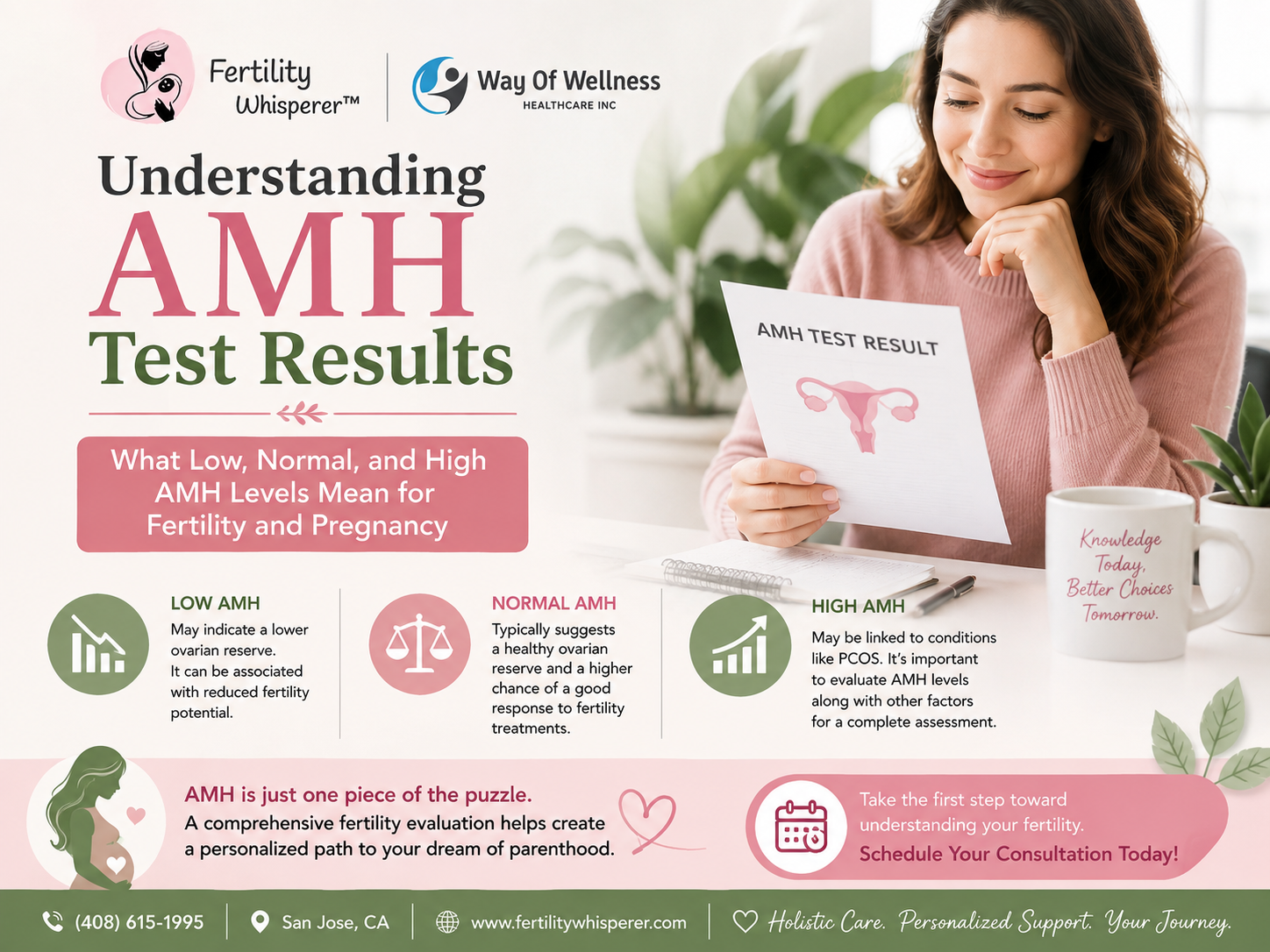
    An anti Mullerian Hormone is a hormone released by small follicles present in the ovary. AMH testing is used by doctors to determine the ovarian reserve, meaning the number of eggs left in the ovaries. Although this test cannot determine the actual fertility result, it can assist fertility experts in making a determination about reproductive health.

    Testing for fertility can be quite stressful, especially when the technical language comes in. One of the first words that women usually come across in their reports when undergoing fertility testing is anti-mullerian hormone, also called AMH hormone. Women usually try to find the term “amh hormone normal value” to establish if theirs is okay or not.

    This is one of the myths that fertility specialists at Fertility Whisperer™ usually debunk for women. Anti-mullerian hormone is only one factor that determines fertility. A person’s age, menstrual history, egg quality, lifestyle, and other reproductive health considerations also play a critical role. The AMH test result can never be interpreted in isolation.

    What Is an Anti Mullerian Hormone?

    AMH is a protein hormone which comes from small follicles found within the ovaries. These follicles house immature eggs. Measurement of anti mullerian hormone  level in the bloodstream helps physicians to estimate the quantity of eggs left in the ovaries.

    Eggs that women will ever produce come from birth itself. Their quantity keeps on reducing gradually. Anti mullerian hormone production reduces with aging as well. This is one reason why fertility experts use anti mullerian hormone tests during fertility evaluation, IVF planning, and abnormal menstrual cycle studies.

    In contrast to certain other hormones, anti mullerian hormone level tests can be taken on any day of the menstrual cycle.

    Why Is the AMH Test Important?

    AMH Anti-Mullerian Hormone Test assists clinicians in determining the ovarian reserve. Its application includes the following groups:

    • Women trying to conceive at an advanced age (over 30)
    • Couples who experience infertility for unknown reasons
    • Individuals preparing for IVF therapy
    • People suffering from amenorrhea
    • Suspected PCOS patients
    • Prospective cryopreservation clients
    • Women with early menopause in their family history

    In practical cases, many women become aware of their AMH hormone levels when they decide to conceive at an advanced age. For instance, a woman in her mid-thirties might be experiencing regular periods; however, she would realize her reduced ovarian reserve after conducting tests.

    How Is the Test Anti Mullerian Hormone Done?

    The test itself is simple. It involves taking a sample of blood at a medical facility. The results come back within a couple of days, depending on the lab.

    Typically, physicians use the AMH test in combination with:

    • Follicle counts using ultrasound imaging
    • FSH test
    • Estrogen test
    • Thyroid test
    • Fertility evaluation of one’s partner

    This will provide better insights into fertility prospects.

    AMH Hormone Normal Value Explained

    Many women immediately compare their reports online after receiving results. However, amh hormone normal value ranges may differ slightly between laboratories.

    Here is a general guide commonly used by fertility specialists:

    AMH LevelInterpretation
    Above 4.0 ng/mLHigh ovarian reserve
    1.5 – 4.0 ng/mLNormal ovarian reserve
    1.0 – 1.5 ng/mLLow-normal reserve
    0.5 – 1.0 ng/mLLow ovarian reserve
    Below 0.5 ng/mLVery low ovarian reserve

    These numbers are not absolute predictors of fertility. A 32-year-old woman with an AMH of 0.9 may still conceive naturally. Meanwhile, another woman with higher AMH levels may still face fertility challenges due to other factors.

    That is why experienced fertility specialists focus on the complete reproductive picture rather than one isolated value.

    What Causes Low AMH Levels?

    The production of AMH is affected by specific environmental conditions.

    Age

    The first factor that contributes to decreased AMH is simply the age of the patient. The body experiences a gradual decrease in AMH levels which starts after women reach the age of 35.

    Medication

    The medical procedures which result in AMH reduction include chemotherapy and radiotherapy and the surgical removal of ovaries.

    Genetics

    Some women inherit low ovarian reserve from their genes.

    Endometriosis

    It negatively impacts ovarian functions which results in decreased AMH production.

    Lifestyle Factors

    The group of lifestyle factors includes smoking plus stress plus insufficient sleep and excessive body weight.

    Fertility Whisperer™ shows that AMH levels do not impact the quality of eggs. Young women can experience low AMH levels while their eggs remain in perfect condition.

    What Happens If AMH Levels Are High?

    The presence of high AMH levels is an indication of:

    • Polycystic Ovarian Disease (PCOD)
    • High ovarian reserve
    • High drug sensitivity

    PCOD patients show multiple follicles developing in their ovaries which results in increased AMH production. The development of ovarian hyperstimulation syndrome occurs at higher rates when patients have increased levels of AMH.

    Can You Improve AMH Levels?

    This is one of the most common fertility questions online. While there is no guaranteed method to permanently increase ovarian reserve, some lifestyle changes may support better reproductive health.

    Practical Steps That May Help

    Prioritize Sleep

    Women undergoing fertility treatment are often advised to maintain 7–8 hours of consistent sleep. Hormonal balance depends heavily on healthy sleep patterns.

    Reduce Smoking and Alcohol

    Smoking is linked to faster egg depletion. Cutting back can support long-term ovarian health.

    Maintain Healthy Nutrition

    A diet rich in antioxidants, leafy greens, healthy fats, and protein may support reproductive wellness.

    Manage Stress

    Chronic stress affects hormone regulation. Many fertility clinics recommend mindfulness, yoga, or counseling during treatment.

    Discuss Supplements Carefully

    Some fertility specialists may recommend supplements like CoQ10 or vitamin D in certain cases. However, supplements should always be discussed with a qualified doctor.

    AMH and IVF Success

    The AMH hormone helps to estimate the ovaries’ reaction during stimulation in IVF treatment.

    Higher AMH level shows the possibility of higher number of oocytes during IVF cycle. Low AMH hormone may be associated with low number of oocytes collected. However, the probability of pregnancy remains dependent on the following factors:

    • The egg quality
    • Embryo quality
    • Uterine state
    • Quality of spermatozoids
    • Age

    For example, a woman with a low AMH level at the beginning of thirties may successfully undergo IVF procedure due to good quality of younger eggs.

    That is why reproductive medicine specialists do not provide any guarantees when estimating ovarian reserve with the help of AMH tests.

    Common Myths Related to AMH Hormone

    “My Low Levels of AMH Do Not Allow Me to Get Pregnant”

    It is wrong. Many women with low ovarian reserve conceive babies either spontaneously or with the help of fertility treatments.

    “High Level of AMH Assures Good Fertility”

    Not really. Sometimes PCOS condition is associated with high levels of AMH, even with difficulties in ovulation.

    “My AMH Allows Me to Predict Onset of My Menopause”

    AMH provides information related to ovarian aging, but it does not allow predicting the exact moment of entering the menopause stage.

    “AMH Tests Egg Quality”

    The test mainly measures egg quantity, not egg quality.

    When Should You See a Fertility Specialist?

    Consider scheduling a fertility evaluation if:

    • You are under 35 and trying for over 12 months
    • You are over 35 and trying for over 6 months
    • Having  periods are irregular
    • You have known reproductive conditions
    • Looking to consider egg freezing
    • You received abnormal AMH results

    Early evaluation often provides more treatment options and better planning opportunities.

    Author Bio

    Dr. Shasta Ericson is a fertility specialist with extensive experience in reproductive endocrinology and fertility counseling. She has worked with patients facing low ovarian reserve, PCOS, IVF challenges, and age-related fertility concerns for over 15 years. Her approach focuses on evidence-based fertility care, patient education, and realistic treatment planning tailored to individual reproductive goals.

    Conclusion

    The knowledge gained from anti-Müllerian hormone test results will aid women in making well-informed decisions regarding their fertility with more assurance. Although AMH hormone test results give significant insights into the ovarian reserve capacity, they must always be considered in combination with the patient’s age, menstruation history, ultrasound results, and other aspects of reproductive health. It is important to remember that even if the AMH test result is low, it does not necessarily indicate infertility, and vice versa, where a high result does not ensure conception. At Fertility Whisperer™, patients receive compassionate guidance, realistic expectations, and evidence-based fertility support designed around their individual needs and future family goals. 

    FAQS

    How is anti mullerian hormone used?

    Anti mullerian hormone is useful to calculate the ovarian reserve and fertility status.

    What is a normal AMH hormone level?

    The general range considered to be within normal limits is 1.5-4.0 ng/mL, but can depend on labs.

    How is AMH low cured?

    While AMH level cannot generally be increased, other fertility treatments and changes in lifestyle can aid pregnancy.

    Is the anti mullerian hormone test painful?

    The procedure involves taking blood from a vein, which is not a painful process.

    Can natural conception be affected by AMH?

    AMH determines the number of eggs, but successful conception involves many other factors including ovulation and fertility.

  • Female Fertility Testing Explained: Costs, Accuracy, and What to Expect Before You Start

    Female Fertility Testing Explained: Costs, Accuracy, and What to Expect Before You Start

    The first thing you must consider when you plan for pregnancy involves your current fertility status. Female fertility testing in 2026 now provides simpler testing procedures which deliver more accurate results through customized testing methods. However, the entire process becomes overwhelming for individuals who lack knowledge about initial steps. Dr. Shasta Ericson and other fertility specialists believe that proper testing methods will identify almost all fertility issues during their initial stage. It helps to prevent any delays in treatment. The article provides complete information about female fertility tests which includes details about their costs, testing accuracy, and testing methods.

    What Is Female Fertility Testing?

    fertility test for women refer to a number of different tests done to check the condition of your reproductive system. This may involve determining:

    • Ovulation status
    • Egg quality and count (ovarian reserve)
    • Hormone levels
    • Health of the reproductive system structures

    Fertility doctors do not base their conclusions on any single test alone. They consider a variety of results to get an accurate picture.

    Important information: As per practice, about 70-80% of cases of infertility can be detected during the first 1-2 months, particularly in cases where both partners undergo fertility tests.

    Common Types of Fertility Testing for Women

    1. Hormonal Blood Test

    They are conducted on specific days of your menstrual cycle.

    FSH: Ovarian reserve test

    AMH: Egg quality test

    LH: Ovulation test

    Thyroid hormone: Menstrual regulation test

    Time frame: The results will be provided within 24 to 72 hours.

    2. Ovulation Prediction Methods

    Can be performed via:

    • Ovulation prediction kit
    • Basal Body Temperature
    • Blood progesterone test (day 21 of your menstrual cycle)

    Useful hint: If you have an irregular menstrual cycle, then predicting ovulation will not be enough. You will have to get tested for hormones.

    3. Ultrasound Scan

    Transvaginal Ultrasound is useful to assess:

    • The number of follicles (Antral Follicle Count)
    • Endometrial layer
    • Ovaries

    Practical example: Those women whose AFC is low (less than 5 to 7 follicles) require urgent treatment, particularly at age 35+.

    4. HSG Test (Hysterosalpingography)

    • An imaging study to evaluate whether fallopian tubes are patent.
    • A dye is introduced inside the uterine cavity
    • An X-ray follows how the fluid moves through the tubes.

    Personal experience: Discomfort may occur; however, the procedure is fast (10-15 minutes).

    5. Further Diagnostic Tests (If Required)

    • Laparoscopy (diagnosis of endometriosis)
    • Genetic evaluation
    • Endometrial biopsy

    These procedures are typically performed if preliminary results cannot provide an answer.

    Female Fertility Test Price Estimate

    Prices differ greatly depending on factors like location, clinic, and number of tests needed.

    Sample Cost Estimation (2026)

    • Blood work for hormone analysis: $50 – $300
    • Ultrasound examinations: $100 – $500
    • HSG test: $300 – $1,000
    • Fertility screening package: $800 – $2,000+ 

    Pro tip: You should know that many clinics provide bundled packages, which lower overall prices from 20% to 30%. 

    At Fertility Whisperer™, patients often start with a structured testing plan to avoid unnecessary expenses and repeated tests.

    How Accurate are Tests of Female Fertility?

    These tests are usually correct, although they do not guarantee pregnancy.

    Tests That Will Give You an Accurate Answer

    • Current levels of hormones
    • Egg supply in ovaries
    • Physical problems such as tubal blockage

    Tests That Will Not Tell You for Sure

    • Probability of conception
    • Quality of your eggs (quality decreases with age, but it is difficult to assess accurately)
    • The rate at which you will conceive

    Key fact: Some females, even with normal test results, end up having unexplained infertility. This occurs in 10-15% of cases.

    Pre-testing Considerations

    Fertility testing for women may seem daunting to you, being well-prepared will significantly ease the process.

    1. Timing Is Crucial

    Many tests require that you be tested during specific parts of your cycle:

    1. Days 2-3: Hormone test
    2. Days 12-16: Ovulatory testing
    3. Day 21: Progesterone test

    Advice: Make sure you track your cycle for at least a month prior to your test.

    2. Remember That Multiple Sessions Are Likely Required

    Check Fertility Women testing takes some time; it does not occur in one single visit.

    • First appointment
    • Blood test and scan
    • Review session

    Approximate duration: 2-4 weeks.

    3. It Is Critical to Prepare Emotionally

    Results may provide clarity, but they might also cause stress.

    Personal experience: Many individuals feel anxious when their results indicate decreased ovarian. Professional counseling is beneficial in this case.

    Tips to Consider Before Taking a Female Fertility Test

    Strategize, Don’t React

    Avoid random testing. Begin with a comprehensive approach led by a fertility expert.

    Test Both Parties at Once

    Around 40-50% of infertility instances are caused by men. Testing males late is wasteful.

    Don’t Postpone Based on Age

    If you are:

    • Below 35 years old: Test after 12 months of conception attempts
    • Above 35 years old: Test after 6 months

    Inquire about Your Options

    What impact will this test have on my schedule?

    Should I undergo treatment immediately or later?

    Can any lifestyle changes help?

    When Should You Consider Fertility Testing?

    If you should seek fertility tests for women if:

    • You have been unsuccessfully trying to get pregnant
    • You have irregular or missing periods
    • You are 35 years or older and hoping to conceive
    • You experience issues such as polycystic ovary syndrome, endometriosis, or thyroid disorders.

    The Fertility Whisperer™ Advantage

    A female fertility test is more than just the results; it is also about interpreting the results and knowing what comes next.

    The process at Fertility Whisperer™ involves:

    • Individualized testing protocols
    • Results explanations
    • Next-step strategies

    This eliminates unnecessary waiting periods for patients.

    Final Thoughts

    Female Fertile  testing is an extremely effective method, but it requires proper use. It will help you avoid any unnecessary stress if you know how it works, the cost of services, and the accuracy of tests.

    The main point of female fertile testing is not only conducting these procedures but also analyzing the obtained data.

    If you have doubts about your fertility and its testing, then the consultation of Fertility Whisperer™ will help you find out all details and proceed with further actions wisely.

    FAQs About Female Fertility Testing

    1. Is fertility testing painful?

    Tests are generally non-invasive. Blood tests and ultrasound examinations are pain-free, but HSG may cause some discomfort.

     2. Is it possible to get a fertility test done at home?

    It is possible to conduct some hormone tests at home, although they have limitations. Clinical tests are more extensive and precise.

    3. How long does the process take?

    Typically 2–4 weeks for complete evaluation, depending on your cycle.

    4. Do normal results mean I will get pregnant?

    No. Normal results indicate no obvious issues, but they don’t guarantee pregnancy.

    5. What is the most important fertility test?

    There is no single “most important” test. A combination of hormone tests, ultrasound, and ovulation tracking gives the best insight.

  • Does Age Affect Fertility? A Clear, Evidence-Based Guide for Women and Men Trying to Conceive

    Does Age Affect Fertility? A Clear, Evidence-Based Guide for Women and Men Trying to Conceive

    Yes, there is some fertility difference between women and men based on age, but it is more pronounced and predictable in women. Biological changes lead to a gradual reduction in fertility over time, although the age at which they occur, the degree of decrease, and the consequences are different in each individual. Learning about these changes will enable you to make wise decisions and act in time.

    Understanding Fertility and Age

    Fertility is a natural gift of having a child. Although it is believed that fertility problems only affect women, both men and women undergo changes associated with age, and this could affect their conception opportunities.

    Based on actual clinical experiences, the likelihood of couples conceiving every month is 20 to 25 percent in the late 20s to early 30s. Towards the end of the 30s, this reduces to about 10-15 percent, and the rate of reduction increases as time goes on.

    This does not imply that one cannot get pregnant later in life. It just implies that it might require more time, and it might need the assistance of a specialist fertility expert.

    Effects of Age on Female Fertility

    1. Loss of Egg Number and Quality

    Women are born with a certain number of eggs. With time, the quantity and quality diminish.

    • The quality of eggs in the early 20s is usually good.
    • The fertility starts to decrease more significantly at the age of 35 years.
    • It decreases more swiftly after 40.

    Practically, it may take a woman at 30 years 3 to 6 months before she conceives, whereas at 38 it may require a year or more.

    2. Higher risk of miscarriage

    • The quality of eggs decreases, and the possibilities of chromosomal abnormalities increase. 
    • This may result in increased risks of miscarriage.
    • Less than 30: approximate miscarriage rate of 10 percent.
    • Age 40: around 30 to 40 percent

    3. Hormonal Changes

    The ovulatory hormones, which include FSH and AMH, vary with age. These alterations may render ovulation less predictable.

    Real-Life Insight

    A good number of middle-aged women aged 35 years complain that they have normal cycles but have problems conceiving. This tends to get confusing. As a matter of fact, periodicity is not necessarily the best for fertility. It is at this point that the services of a fertility specialist will be of significance.

    The Effect of Age on Male Fertility

    Male fertility decreases at a slower pace, yet it is a consideration.

    1. Sperm Quality Decline

    As sperm age, they can exhibit:

    • Reduced motility
    • Lower count
    • Increased DNA fragmentation

    Men above 40 years old might require more time to get pregnant with their partner than younger men.

    2. Risk of Genetic Problems is Higher

    The old age of the father has been associated with a marginally increased risk of the emergence of some genetic disorders among the offspring.

    Practical Observation

    In most instances observed in expert fertility centers, couples presume that the problem is on the woman. Nonetheless, male factors are arguably the cause of about 30 to 40 percent of fertility problems.

    When Do You Need Help?

    Timing matters. Being aware of the time to check with a specialist on fertility matters can help to save time.

    Below 35: Attempt 12 months before seeking assistance.

    Age 35 to 39: Try for 6 months

    40 or more: Seek the consultation of a fertility specialist.

    In case of known issues such as PCOS, irregular cycles, or past reproductive problems, it is prudent to consult sooner.

    What You Can Do to Enhance Fertility.

    Age is something that cannot be undone, but you can take practical measures to help in your fertility.

    1. Track Ovulation Accurately

    Predict your fertile phase with ovulation predictor kits or fertility tracking apps. The 2-3 days preceding ovulation are typically the most fertile days.

    2. Eat Healthy

    Eat a healthy diet that contains plenty of protein, healthy fats, and antioxidants.

    • Keep a normal weight.
    • Regular exercise, but not overworking.

    3. Reduce Harmful Habits

    • Limit alcohol and avoid smoking.
    • Exposure to toxins and chemicals should be minimized.

    4. Think Early of Fertility Testing.

    Basic tests include:

    • AMH test of ovarian reserve
    • Men’s Sperm Study
    • Hormonal profiling

    Timely testing provides clarity and eliminates guesswork.

    5. Explore Medical Options

    In the event of late conception, the treatments can include:

    • Ovulation induction
    • Intrauterine insemination
    • IVF

    There is a specialist fertility expert who can guide you depending on your age, test results, and medical history.

    A Realistic Scenario

    A 39-year-old couple underwent 10 months of natural conception. Upon visiting a fertility specialist, they found that they had a decreased ovarian reserve and a mild problem with sperm motility. They got pregnant after 4 months of treatment with a specific IVF approach.

    This underscores the importance of early intervention to enhance results.

    The Fertility Whisperer ™ Role

    Fertility Whisperer is a company that is dedicated to offering individualized, evidence-based advice. This is opposed to giving general tips and instead focuses on getting to know your fertility profile and developing a realistic plan.

    This includes:

    • Personalized fertility assessments
    • Step-by-step guidance
    • Psychological and practical assistance during the process.

    This is not to assure you quick results but to assist you in making informed and confident decisions.

    Common Myths About Age and Fertility

    There are several myths surrounding age and fertility.

    Myth 1: You Can Get Pregnant Anytime With Modern Medicine.

    The Facts: Treatments are effective, although age and overall health continue to play a major role in determining success rates.

    Myth 2: Men are eternal in their fertility.

    Fact: Men lose their fertility, particularly after 40.

    Myth 3: Frequent Periods = Great Fertility.

    Fact: Ovulation quality is of greater significance than the regularity of cycles.

    FAQs

    Is there a sudden decline in fertility at 35?

    No. The decrease is progressive, but more pronounced after 35 because of lower egg quality.

    Is there something I can do to enhance egg quality?

    Although you can not add more eggs, some lifestyle modifications and supplements can contribute to the well-being of eggs.

    Will IVF be guaranteed to succeed in older ages?

    No treatment is a sure-footed one. The success rate is lower in older ages, beyond 40.

    Should men also be tested at a young age?

    Yes. A considerable percentage of fertility challenges is caused by male factors.

    But when should we make an appointment with a specialist?

    It is based on age, although some pre-consultation is always good in case of any concern.

  • How to Balance Hormones Naturally for Better Fertility: Evidence-Based Guide

    How to Balance Hormones Naturally for Better Fertility: Evidence-Based Guide

    The hormonal balance is a key factor in fertility and reproductive health in general. A healthy ovulation, conception and healthy pregnancy are more likely when hormones like estrogen, progesterone, insulin and thyroid hormones operate normally. Nevertheless, hormonal imbalances are very common in the current society where people have been subjected to disruptions because of issues such as chronic stress, improper diets, environmental toxins, and insomnia.

    It is imperative to know the mechanism of hormones and the effects of lifestyle on them when one is attempting conception. Rather than simply using medical treatments, a number of people are currently considering how to balance hormones naturally in the form of a long-term fertility plan. The natural methods prove to be not only supportive but also sustainable and they contribute to an overall improvement of well-being, as well as reproductive health.

    This guide is an evidence-based explanation of the process of enhancing fertility with natural means, blending theory with practical steps. 

    What is Hormonal Balance in Relation to Fertility?

    Hormonal balance is the appropriate balance and interaction of the main reproductive hormones, which include:

    • Estrogen and Progesterone are hormones that govern the menstrual cycle and aid pregnancy.
    • Ovulation is caused by Luteinizing Hormone (LH).
    • Follicle-Stimulating Hormone (FSH) helps in the development of eggs.
    • Insulin affects ovulation and ovaries.
    • Metabolism and reproductive timing are regulated by thyroid hormones.

    Direct answer: Regulated hormones promote normal ovulation, normal egg growth and adequate uterine lining to implant.

    Even minor disturbances, like stress hormones or insulin resistance, can disrupt ovulation and fertility results.

    Why Hormonal Imbalance Influences Fertility?

    The reproductive cycle is disturbed in a number of significant ways by hormonal disruptions:

    1. Irregular Ovulation

    In case of non-alignment of estrogen and progesterone, ovulation can be inconsistent or not at all.

    2. Poor Egg Quality

    Oxidative stress and hormonal changes may affect the development and maturation of eggs.

    3. Implantation Challenges

    The abnormally low levels of progesterone can cause the uterine lining to develop abnormally.

    4. Other disorders such as PCOS or Thyroid Disorders

    These disorders are highly associated with hormonal disproportion and may have a considerable impact on fertility.

    Evidence insight: Women insulin resistant (which is a common outcome in PCOS) can have as many as 40 percent reduced ovulation rates without appropriate intervention.

    The Natural Way of Balancing Hormones

    The following are the evidence-based practices that aid in nutrition and lifestyle modifications in treating natural fertility.

    1. Use a Hormone Healthy Diet

    Food is a potent source of hormones.

    What to Eat:

    Good fats like avocados, nuts, seeds and olive oil to promote hormone production.

    Foods that are high in fiber such as vegetables and whole grains to aid in shedding off excessive estrogen.

    Foods that are rich in protein to stabilize the blood sugar level.

    Egg quality-saving foods with antioxidants such as berries and greens.

    What to Limit:

    • Refined sugar
    • Processed foods
    • Trans fats

    True understanding: The people who were using Fertility Whisperer who decreased their sugar consumption saw better cycle regularity in 8 to 12 weeks.

    2. Normalize Blood sugar levels

    One of the most important hormones, which has a direct impact on fertility is insulin.

    Why it matters:

    Increased levels of insulin may interfere with ovulation and augment androgen generation.

    Practical Tips:

    • Eat a balanced meal with protein, fiber and healthy fats.
    • Avoid skipping meals
    • Eat foods with low glycemic index.

    Direct answer: Stable blood sugar maintains stable hormone levels and enhances ovulation regularity.

    3. Manage Stress Effectively

    Stress over time raises cortisol and this may inhibit the reproductive hormones.

    Symptoms Indicating Stress Is Impacting Fertility:

    • Irregular periods
    • Delayed ovulation
    • Poor sleep quality

    Natural Stress-Reduction Methods:

    • Daily 10-15 minutes of meditation.
    • Deep breathing exercises
    • Light exercise such as yoga or walking.

    Evidence insight: In some cases, up to 20 to 30 percent, stress management has been linked to better conception.

    4. Improve Sleep Quality

    Sleep plays a vital role in the balance of hormones.

    Why Sleep Matters:

    • Helps to control cortisol and melatonin.
    • Promotes hormonal cycles.
    • Improves insulin sensitivity

    Sleep Guidelines:

    • Goal: 7-8 hours at night.
    • Keep a regular sleeping routine.
    • Avoid screens before bedtime

    Direct answer: Lack of sleep may interfere with hormone cycles and have a detrimental impact on ovulation.

    5. Support Gut Health

    The health of the guts is important in the metabolism of hormones.

    The impact of Gut Health on Fertility:

    • Helps to remove the surplus estrogen.
    • Supports nutrient absorption
    • Reduces inflammation

    What Helps:

    • Probiotic foods, including yogurt and kefir.
    • Fiber found in foods such as bananas, garlic and onions (prebiotic fiber).
    • Adequate hydration

    At Fertility Whisperer, gut health can be significantly enhanced, and hormonal symptoms have also been observed to change.

    6. Have a Healthy Weight

    Hormone production is directly affected by body weight.

    Why It Matters:

    • There is an effect of body fat on estrogen levels.
    • Obesity could also be a cause of insulin resistance.
    • The ovulation can be suppressed by low body weight.

    Real example: A 5 to 10 percent reduction in weight has been found to restore ovulation in most of the people with PCOS.

    7. Take Natural Supplements when necessary

    Hormone balance can be aided by certain supplements in their proper use.

    Common Evidence-Based Options:

    • To enhance insulin sensitivity, myo-inositol.
    • Vitamin D to prevent pregnancy.
    • Omega-3 fatty acids to decrease inflammation.
    • Magnesium to aid stress and sleep.

    Critical: Supplements are never to be taken without professional advice as a course of natural fertility treatment.

    8. Minimize Exposure to Hormone Disruptors

    Hormone functioning can be influenced by the environment.

    Common Sources:

    • Plastics containing BPA
    • Chemical-based skincare products
    • Pesticides

    Simple Fixes:

    • Store in glass or stainless steel.
    • Select natural personal care products.
    • Wipe fruits and vegetables.

    Action Plan to Enhance Fertility Naturally

    An implementation plan that you can use for :

    • Begin with a healthy, whole-diet.
    • Normalize blood sugar through frequent meals.
    • Learn to manage stress on a daily basis.
    • Make sleep a priority (7-8 hours of sleep).
    • Probiotics and fiber help maintain gut health.
    • Have a good body weight.
    • Take supplements when necessary with advice.
    • Minim contact with environmental toxins.

    It is crucial to be consistent and most of the improvements can be observed after two to three menstrual periods. Thus it is important that every woman must know how to improve fertility naturally.

    Realistic Expectations: How Long Does It Take?

    It is a matter of time and continuity to balance hormones.

    • 4-6 weeks to enhance sleep and energy.
    • 8 to 12 weeks to more regular cycles.
    • 3-6 months to realize fertility changes.

    At Fertility Whisperer, long-term and sustainable development is prioritized over short-term outcomes.

    Final Thoughts

    The process of hormone balance cannot be rushed, and it will take time and consistency to accomplish it with the right attitude to your body and the need to understand its response to various aspects of lifestyle. Several systems interact with each other and affect fertility, among which are metabolism, stress response, sleep patterns, and nutrition. The combination of these areas will form a powerful base on reproductive health.

    Instead of seeking one solution, the integrated approach that involves the gradual change of daily habits is more productive. Little adjustments, like changing the quality of meals, stress management, and a regular sleep schedule, can result in significant hormonal changes in the long-term.

    At Fertility Whisperer, it focuses on advising people using evidence-based strategies, which are practical and sustainable. With the attention to long-term health rather than short-term solutions people can create a conducive atmosphere of balanced hormones naturally and fertility. Natural methods can contribute to better fertility outcomes and well-being with the appropriate approach and regularity.

    Frequently Asked Questions

    1. What is the most effective method to use Hormones to be more fertile?

    Consider nutrition, stress management, sleep, and controlling blood sugar to maintain the level of hormones.

    2. What is the best natural fertility treatment?

    Most people respond better to a combination of diet and lifestyle change and specific supplementation.

    3. Is it possible to reverse hormonal imbalance?

    In most instances, regular changes of lifestyle can greatly enhance hormonal balance in the long run.

    4. What is the natural period of time to improve fertility?

    With constant efforts, most people experience improvement in 3 to 6 months.

    5. Is there really any effect of stress on fertility?

    Yep, reproductive hormones may be disturbed by the high level of cortisol and ovulation may be disrupted.

  • How to Boost Fertility Naturally: Evidence-Based Tips for Women Trying to Conceive

    How to Boost Fertility Naturally: Evidence-Based Tips for Women Trying to Conceive

    Attempting to conceive may be frustrating, particularly when you have conflicting information on the internet. The fact of the matter is that the issue of fertility depends on the complexity of biological, lifestyle, and environmental factors. Even though not everything can be done naturally in order to resolve fertility problems, there are strong indications that some habits and interventions can largely enhance reproductive health.

    This guide includes evidence-based, practical strategies that should be used to assist women to boost fertility naturally. It concentrates on the practical aspects and scientifically substantiated findings that are applicable in real-life situations.

    An Ideal Overview of Fertility

    Fertility is the natural power to conceive. For women, it is influenced by:

    • Ovulation regularity
    • Hormonal balance
    • Egg quality
    • Uterine health
    • Lifestyle and environmental aspects.

    Healthy couples conceive in 6-12 months of trying. Nonetheless, it is possible to optimize your body before and during this period to improve fertility naturally.

    Evidence-Based Tips to Boost Fertility Naturally

    Boosting fertility naturally involves a combination of lifestyle adjustments, nutritional support, and informed health choices. The following fertility tips for women are practical, evidence-based, and designed to help you take a structured and realistic approach to enhancing fertility.

    1. Maintain a Healthy Weight

    Why it matters

    Both overweight and underweight disturb hormonal balance as well as ovulation.

    • Body Mass Index (BMI) of less than 18.5 can result in abnormal or no ovulation.
    • BMI of 25-30 is linked with such diseases as insulin resistance and PCOS.

    Practical insight

    Clinical experience showed that women who had lost weight (by 5-10 percent, in case overweight) showed improvements in menstrual regularity in 3-6 months.

    What to do

    • Pay attention to moderate weight loss.
    • Avoid crash diets
    • Eat balanced nutrition and exercise.
    1. Make Fertility-Friendly Diet a Priority

    What research suggests

    Dietary supplementation with nutrients facilitates the production of hormones, egg quality, and reproductive health in general.

    Key dietary principles

    • Whole foods: whole grains, vegetables, fruits.
    • Good oils: nuts, seeds, olive oil.
    • Lean Protein: Eggs, legumes, and fish 
    • Low glycemic index food: assists in the regulation of insulin.

    Fertility-associated nutrients

    Folate: helps to promote ovulation and early pregnancy.

    Iron: linked with decreased ovulatory infertility.

    Omega-3 fatty acids: promote hormonal balance.

    Real tip

    After a few months, women who adhere to a consistent Mediterranean-style are said to have made regularities in their cycles and are also observed to have a large amount of energy.

    1. Track Ovulation Accurately

    Why it matters

    Timed intercourse in relation to ovulation has a great probability of conception.

    • Methods to track ovulation
    • Basal Body Temperature (BBT)
    • Ovulation predictor kits (LH flare imaging)
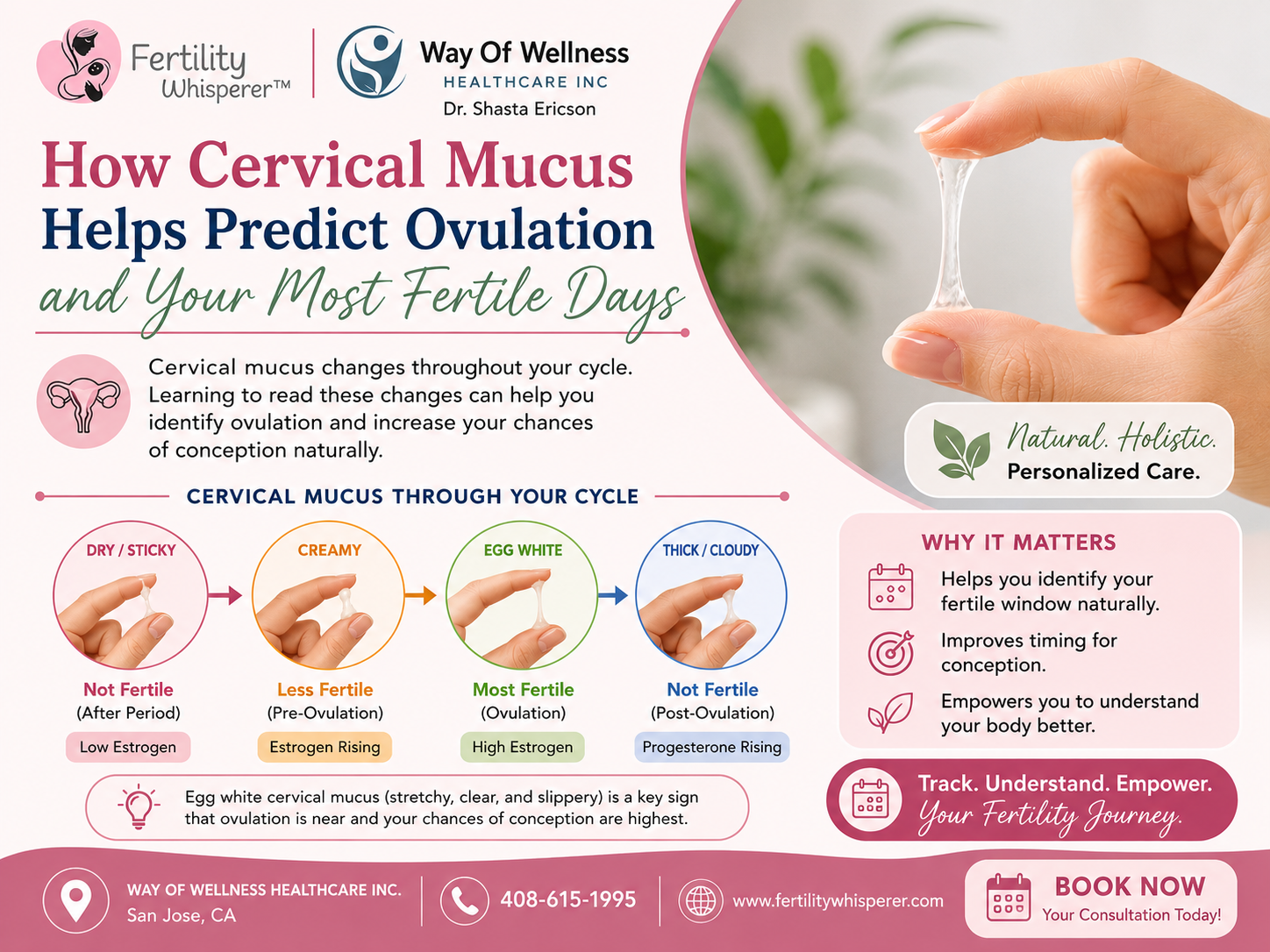
    • Cervical mucus observation

    Practical recommendation

    Have sex 1-2 days in the fertile window (usually 4-5 days before ovulation and ovulation day).

    1. Manage Stress Effectively

    The fertility-stress relationship

    The hypothalamic-pituitary-ovarian (HPO) axis may be impaired by chronic stress and this interferes with ovulation.

    Evidence-based observation

    Women with elevated stress levels usually have slow ovulation or erratic cycles.

    What helps

    • Mindfulness or meditation (10-15 minutes a day)
    • Light physical activity or yoga.
    • Journaling or counseling

    Real-world note

    Even the slightest changes in the degree of stress can have beneficial effects on cycle regularity: better sleep or a decrease in work pressure.

    1. Improve Sleep Quality

    Why sleep matters

    Sleep controls major reproductive hormones such as melatonin and cortisol.

    Recommendations

    • I intend to have 7-8 hours of regular sleep.
    • Always have a routine sleep pattern.
    • No screens at night.

    Insight

    Other studies have found poor sleep patterns to be associated with poor egg quality and irregular ovulation.

    1. Limit Caffeine and Alcohol

    What the evidence shows

    • Excessive caffeine (>300mg/day) can harm fertility.
    • Too much alcohol will interfere with hormones.

    Safe limits

    Caffeine: 1-2 cups of coffee a day.

    Alcohol:Limit or avoid when actively trying to conceive.

    1. Keep Fit (But Do Not Overtrain)

    Benefits of exercise

    • Enhances insulin sensitivity.
    • Supports hormonal balance
    • Reduces stress

    Balance is key

    • The best exercise is moderate (30 minutes, 4-5 times per week).
    • Ovulation may be inhibited by excessive intense training.
    1. Treat Pre-existing Health Problems

    Widespread disorders affecting fertility.

    • Poly Cystic Ovary Syndrome (PCOS)
    • Thyroid disorders
    • Endometriosis

    Practical advice

    In case of irregular cycles or even when symptoms do not vanish, consult early. Diagnosis is necessary and natural methods can assist.

    Take Evidence-Based Supplements into Account

    Recommended supplements

    • Folic acid (400-800 mcg daily)
    • Vitamin D (if deficient)
    • CoQ10 (can enhance the quality of eggs, particularly with age over 30)
    • Inositol (commonly used in the treatment of PCOS)

    Important note

    It is advisable to always consult a healthcare provider on the use of supplements, as they can be used in the right doses and suitability.

    Minimise Environmental Toxins

    Why this matters

    Hormone functioning can be disrupted by exposure to endocrine-disrupting chemicals (EDCs).

    Practical steps

    • Use glass or stainless steel in lieu of plastic.
    • Use products that are not containing BPA.
    • Select toxicity personal care products that are natural or low-toxicity products.

    A Practical, Step-by-Step Approach

    When you want to know how to increase fertility, begin with:

    • Monitor your menstrual period for 2-3 months.
    • Enhance hydration and quality of diet.
    • The introduction of moderate exercise.
    • Maximize sleep, decrease stress.
    • Include specific supplements (as necessary)
    • Fertile window intercourse.

    Time consistency is better than expediency.

    When to Seek Professional Help

    Natural things will work effectively with many women and medical advice is essential when:

    • Under 35 and trying to conceive for 12 months without success
    • Over 35 and trying to conceive for 6 months without success
    • Experiencing irregular or absent menstrual cycles
    • Diagnosed with known reproductive health conditions

    How Fertility Whisperer Can Help You

    The mission at Fertility Whisperer is to provide a mixture of evidence-based advice and personalized care.Rather than offering generic advice, the strategy focuses on:

    • Mastering your own cycle and health profile.
    • Giving simple realistic fertility advice to women.
    • Assisting natural and medically assisted fertility travel.

    The objective is not only to boost fertility in a natural way, however, to ensure that you make informed and confident choices during the process.

    FAQs

    Is it possible to enhance fertility without medical interventions?

    Yes, lifestyle change in terms of diet, stress and monitoring of the cycle can help many women to be more fertile. Nevertheless, the outcomes are different based on underlying health conditions.

    How many days take to achieve results?

    Majority of the lifestyle modifications are noticeable in 2-3 menstrual cycles though this may differ.

    Do natural fertility treatment help in PCOS?

    They might be beneficial, particularly diets and supplements such as inositol, although these should be done under the guidance of a doctor.

    Is there an age influence on natural fertility improvement?

    Yes. Although a healthy lifestyle is beneficial to fertility at any age, the egg quality deteriorates naturally with age, particularly beyond 35.

    What is the greatest fertility advice?

    One of the most direct and effective measures is the ability to track ovulation and have intercourse at the right time.