Author: admin

  • What Are the Potential Benefits of Fertility Acupuncture in San Jose?

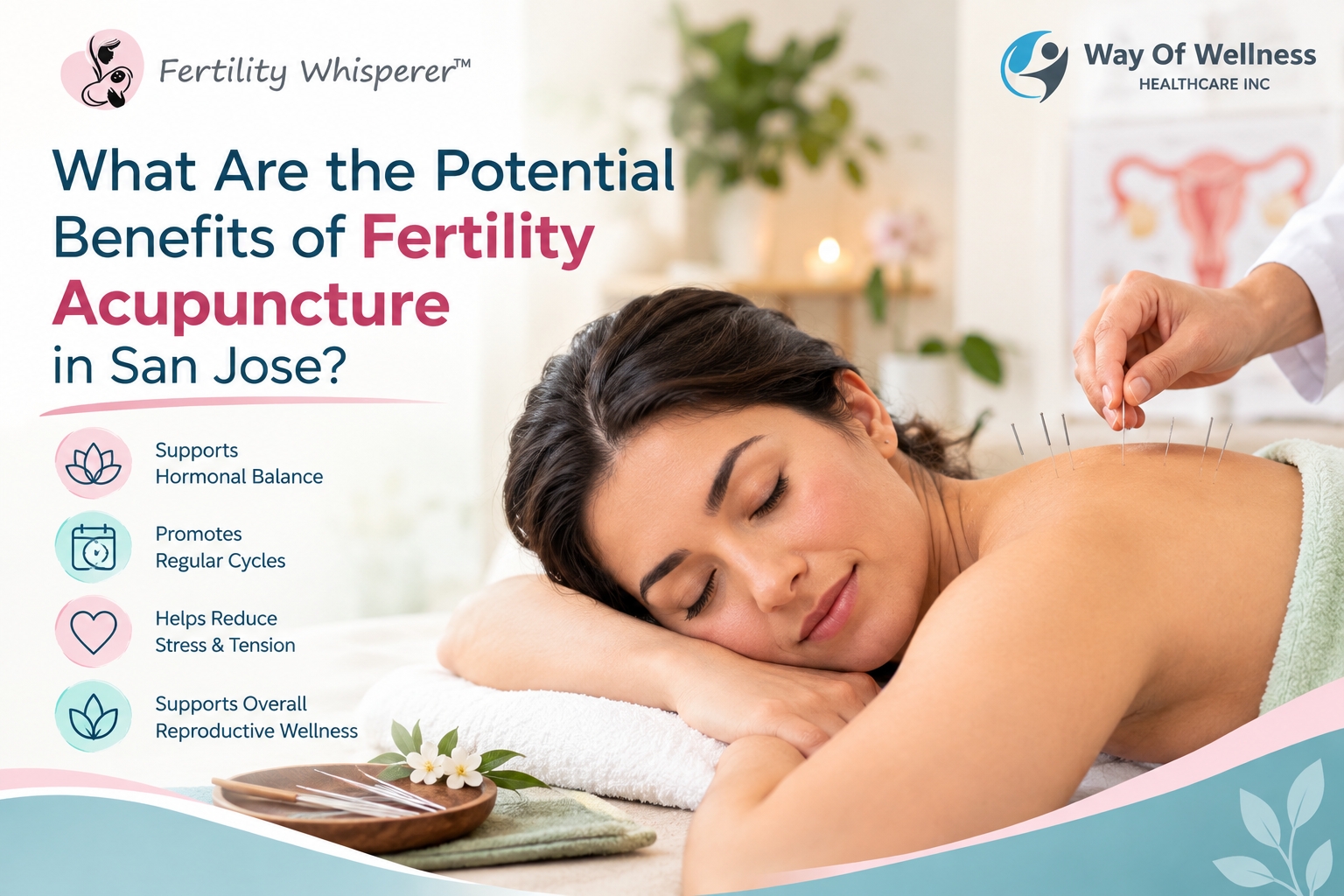
    What Are the Potential Benefits of Fertility Acupuncture in San Jose?

    Fertility acupuncture in San Jose could be an option for those individuals who wish to reduce their stress levels, be relaxed while going through fertility procedures, and deal with the emotional stress of getting pregnant. However, today there is no proof that fertility acupuncture positively impacts pregnancy rates and live births.

    Why Fertility Acupuncture?

    As a form of a complementary therapy, fertility acupuncture consists of needle insertion at particular body points. The therapy has origins in traditional Chinese medicine, where the method was used to treat various physical and emotional issues.

    Acupuncture may be tried prior to conception without reproductive technologies but also as a supportive treatment for fertility problems and combined with such techniques as ovulation induction, intrauterine insemination or in vitro fertilization.

    It depends on your case, but keep in mind that acupuncture cannot replace fertility tests, diagnosis, and scientifically proven treatment of fertility issues.

    5 Potential Benefits of Fertility Acupuncture in San Jose

    1. Might Help Relieve Stress Associated With Fertility Treatments

    Trying to conceive may be accompanied by uncertainties, frequent visits to doctors, medications, and other challenges. The process may become stressful if it takes more time than originally expected.

    Acupuncture may help relax people. Studies have shown that this method may affect how the body processes pain and reacts to stress; however, there are significant variations depending on conditions and research methods.

    For instance, a person undergoing IVF treatment may include acupuncture in his or her stress-relief regime along with such measures as proper rest, exercise, and psychological comfort.

    Expected effects: Acupuncture may induce relaxation during a treatment session, but it cannot ensure stress relief and fertility enhancement. Counseling and mental health assistance may be helpful in case of severe stress caused by fertility issues.

    2. May Support Emotional Well-Being

    Fertility challenges can affect relationships, confidence, and everyday life. People may feel pressure to remain positive even when they are worried or disappointed.

    A scheduled acupuncture appointment can provide dedicated time to pause and focus on personal well-being. Some individuals find the quiet setting and practitioner interaction helpful during an otherwise demanding period.

    This benefit is primarily about coping and quality of life, not proof that acupuncture changes reproductive outcomes. If you experience persistent sadness, anxiety, or difficulty managing daily activities, consider speaking with a qualified mental health professional familiar with fertility concerns.

    3. May Help Manage Certain Pain Symptoms

    Several forms of pain have been examined in relation to acupuncture, including menstrual cramping and chronic pelvic pain. Research indicates that acupuncture might provide some form of symptom relief, but this is conditional to the specific problem that is being treated.

    In the case of painful periods, acupuncture treatment might be considered in consultation with a doctor.

    Nevertheless, painful menstruation could sometimes be due to other underlying diseases like endometriosis or fibroids. In such a case, acupuncture could delay necessary medical consultation if your pain is severe, getting worse, or you are experiencing excessive bleeding.

    It is also essential to bear in mind that reducing the symptoms of period pain will not improve ovulation or conception chances.

    4. May Complement an Individualised Fertility Care Plan

    Fertility concerns can have different causes, including ovulation disorders, blocked fallopian tubes, sperm-related factors, and age-related changes in reproductive potential.

    Acupuncture may be included in a broader wellness plan if you find it helpful and your healthcare team considers it appropriate. A practitioner may discuss your treatment schedule, comfort, stress levels, and general well-being before recommending sessions.

    Some research has investigated acupuncture around embryo transfer during IVF. However, findings have been inconsistent, and higher-quality evidence has not established a reliable improvement in live birth rates. Acupuncture should therefore be considered optional supportive care rather than a treatment that makes IVF more successful.

    Do not postpone fertility investigations or time-sensitive treatments to complete an acupuncture course.

    5. May Encourage a More Structured Wellness Routine

    Fertility care often involves several overlapping responsibilities, from tracking menstrual cycles to attending medical appointments. A complementary therapy may encourage some people to pay closer attention to sleep, stress, and daily routines.

    Acupuncture itself is not a replacement for healthy habits or medical care. However, it can be one part of a practical routine that includes balanced nutrition, appropriate physical activity, avoiding tobacco, limiting alcohol when trying to conceive, and taking folic acid as recommended before pregnancy.

    The goal is to support overall well-being without creating the impression that conception depends on following a perfect lifestyle.

    Is Fertility Acupuncture Safe?

    Generally speaking, the procedure is fairly safe when done by a qualified professional using sterile and single-use needles. There may be mild pain, some bleeding, bruising, or dizziness.

    Let your acupuncturist know beforehand if you are pregnant, take blood-thinning drugs, have a bleeding problem, or are on ovarian stimulation.

    Avoid taking Chinese herbal medicines or fertility supplements without consulting your fertility doctor. There may be interactions with your fertility drugs, or the supplement may not be good for pregnant women.

    How to Find San Jose Fertility Acupuncture

    When choosing which one to try, pay attention to these useful questions:

    Professional background: Is he/she a California licensed practitioner who has studied acupuncture?

    Fertility treatment knowledge: Does he/she understand the menstrual cycle, IVF schedules, and requirements of fertility patients?

    Personalized approach: Is he/she ready to consider your medical history, current symptoms, and fertility treatment?

    Safety measures: Does he/she use sterile single-use needles and discuss side effects?

    Practical approach: Does he/she realize that there is little proof and does not promise a pregnancy?

    Fertility Whisperer™ offers a fertility-focused approach that incorporates acupuncture and broader wellness practices. Before beginning, clarify the services offered, expected costs, proposed treatment schedule, and how the practitioner of fertility acupuncture  will coordinate with your reproductive healthcare team.

    Author Bio

    Dr. Shasta Ericson, L.Ac., D.A.O.M., is a licensed acupuncturist and Doctor of Acupuncture and Oriental Medicine with decades of experience in holistic healthcare. According to her professional website, she has more than 30 years of experience and focuses on fertility, women’s health, acupuncture, nutrition, and natural functional medicine. Through Fertility Whisperer™, she provides fertility-focused complementary wellness support.

    Frequently Asked Questions

    1. Can fertility acupuncture help you get pregnant naturally?

    It may support relaxation and help manage certain symptoms, but there is insufficient evidence that it reliably increases natural conception rates. The outcome depends on factors such as age, ovulation, reproductive health, and sperm quality.

    2. Does acupuncture improve IVF success rates?

    Research has not established a consistent improvement in live birth rates from acupuncture around embryo transfer. It may be used for supportive care, but it should not replace or delay recommended IVF treatment.

    3. When should I start fertility acupuncture?

    There is no scientifically established ideal starting point. Discuss your goals and treatment schedule with your acupuncturist and fertility specialist before deciding when to begin.

    4. How many acupuncture sessions are needed for fertility?

    There is no universally recommended number of sessions for improving fertility. Frequency depends on your goals, symptoms, budget, and practitioner’s assessment. More sessions do not guarantee better outcomes.

    5. Can I combine acupuncture with fertility medication?

    Often, acupuncture can be considered alongside medical fertility treatment, but inform both providers about your medications and planned procedures. Avoid unapproved herbs or supplements.
  • Can You Find an Affordable IVF Clinic? A Guide to Comparing IVF Treatment Costs

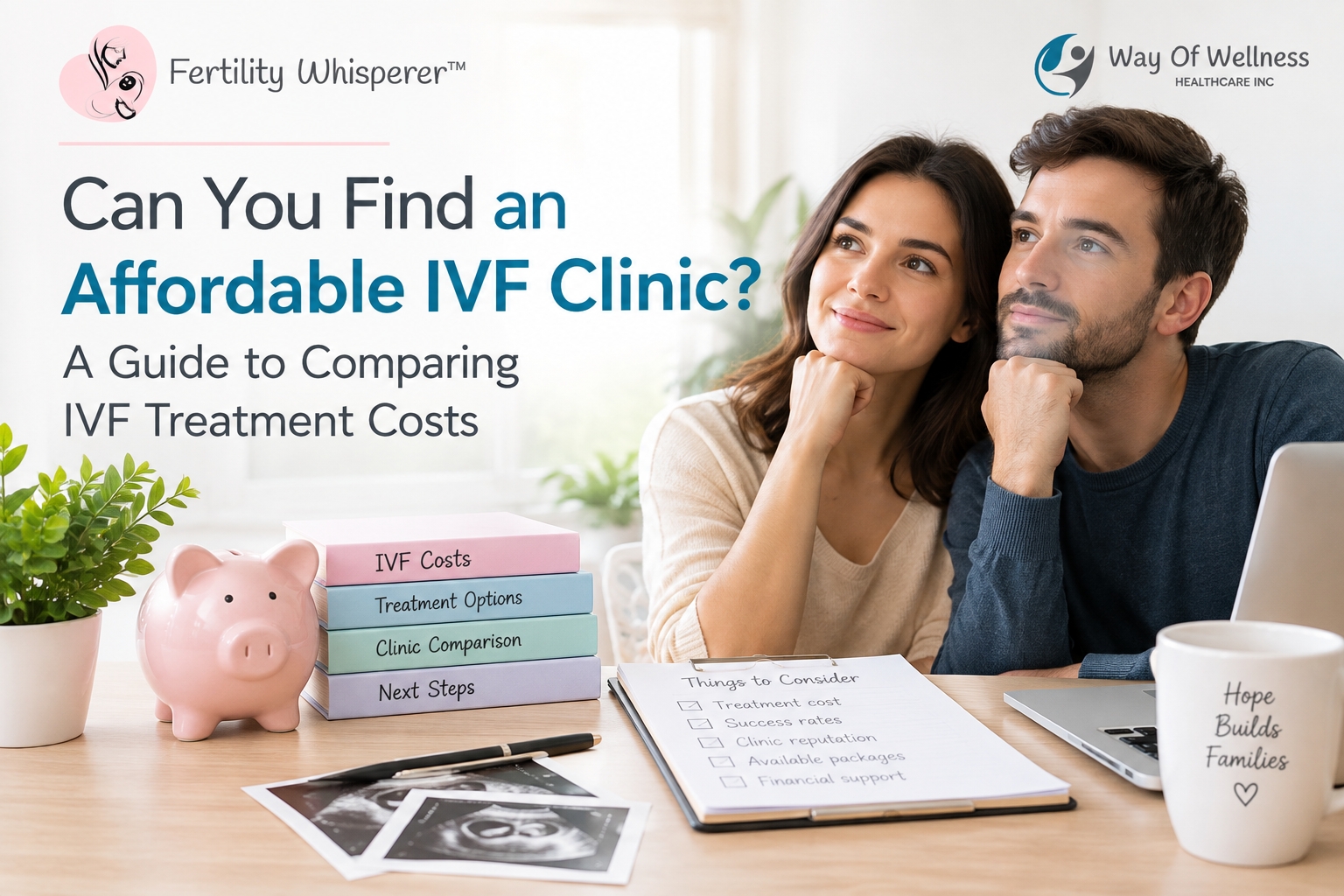
    Can You Find an Affordable IVF Clinic? A Guide to Comparing IVF Treatment Costs

    While you can certainly locate a relatively cheap IVF clinic, the least quoted IVF price may not necessarily be your lowest cost estimate. Instead, you need to evaluate what exactly is covered under each price offer as well as medication, laboratory fees, monitoring, egg retrieval, transfer fees, and whether further treatment may be necessary.

    What Are The Costs Associated With IVF?

    IVF prices greatly differ depending on location, clinic, treatment protocol, and patient individuality.

    According to the American Society for Reproductive Medicine, one cycle of IVF in the US might cost somewhere between $15,000 and $25,000 without all potential additional costs.

    This estimate is helpful as a rough guideline but not as an estimate of your individual cost.

    Your individual costs may differ.

    A clinic that offers a lower cost initially may have additional costs that other clinics charge as part of their basic package.

    That is why relying on the headline price only may mislead you.

    Start With the Complete Cost, Not the Advertised Price

    When approaching an IVF center, request a detailed estimate of what is included in the price.

    The comparison must consider:

    • Initial consultation
    • Fertility testing
    • Monitoring of ovarian stimulation
    • Egg collection
    • Anesthesia
    • Fertilization in the laboratory
    • Cultivation of embryos
    • Transfer of embryos
    • Freezing
    • Storage
    • Medications
    • Genetic testing, if required
    • Costs associated with additional transfers
    • Subsequent care

    All patients don’t need all the procedures.

    The key thing is that you understand what charges are applicable in your case.

    Ask About the Cost of Drugs Separately

    Drugs can constitute quite a considerable share in the total cost of IVF.

    Two centers can quote almost identical procedure prices while leaving patients with totally different medication expenses.

    Ask:

    “Does the cost of drugs include this estimate, or if not, what range should I plan for?”

    The center will probably not be able to give you an exact figure right away, but it should be able to explain to you what drugs will be used and what affects their price.

    Look at Cumulative Cost, Not Just One Cycle

    One of the most important financial questions is:

    “What happens if the first cycle does not result in a live birth?”

    That does not mean you should assume another cycle will be necessary.

    It means you should understand your possible financial exposure.

    For example, imagine Clinic A charges $14,000 for the initial treatment, but several services are additional.

    Clinic B charges $18,000 but includes more laboratory services and one transfer.

    The second clinic is not automatically more expensive.

    You need to compare the total treatment pathway.

    Ask About Refund or Multi-Cycle Programs

    Clinics offer packages or financial plans for more than one cycle.

    These might look appealing due to their fixed price.

    Nevertheless, carefully study all eligibility requirements.

    ASRM has pointed to transparency in risk-sharing and refund programs and made them explainable, namely, to specify selection criteria, possibilities of success, and alternatives.

    Ask:

    • Who is eligible?
    • What treatments are covered?
    • What is not included?
    • What if the treatment is cancelled?
    • What if pregnancy occurs early?
    • Is there medication coverage?
    • Are frozen transfers covered?

    Under which circumstances will the patient be no longer eligible for a refund?

    Remember that “guarantee” does not necessarily mean the guarantee of giving birth.

    Ask What Happens Before IVF

    IVF is not always supposed to be the primary financial consideration.

    It depends on the infertility reason and particular case.

    Good fertility consultation will determine the appropriateness of IVF and if any other methods are required.

    The CDC states that ART is costly and time-consuming, so you should discuss your decisions with a medical specialist.

    It is the proper treatment program that matters, not just a cheaper treatment option.

    Understand What “Affordable” Really Means

    “Affordable” should mean financially manageable without sacrificing appropriate medical care or transparency.

    A lower price does not help if important services are excluded or if you later discover costs that were not clearly explained.

    When comparing an ivf clinic, create a simple table with columns for:

    Don’t Compare Clinics Using Price Alone

    There are other practical questions worth asking.

    How quickly can you speak with the clinical team?

    Who explains your treatment plan?

    How are unexpected changes communicated?

    What happens if your cycle needs to be cancelled?

    How are embryos handled and stored?

    What financial coordinator support is available?

    These details can matter significantly during a treatment process that may involve multiple appointments and decisions.

    What Realistic IVF Planning Looks Like

    Suppose a patient receives a $16,000 IVF quote.

    Instead of immediately comparing it with a $13,000 quote elsewhere, ask for a full breakdown.

    If the first clinic estimates $3,000 in medication and the second estimates $5,000, the apparent $3,000 difference may shrink considerably.

    Then add possible transfer, freezing, storage, and travel costs.

    The purpose of this exercise is not to predict your outcome.

    It is to prevent a treatment decision from being based on incomplete financial information.

    Questions to Take to Your First Consultation

    Bring these questions along:

    • What is the estimated total cost of the treatment I have suggested?
    • What treatments are covered by that price?
    • What medications are not?
    • What could drive the price up?
    • What is the consequence of cycle cancellation?
    • Is there embryo cryopreservation and storage included?
    • What are the prices for future frozen transfers?
    • Do you provide any financing options?
    • Do you have multi-cycle packages?
    • What are the eligibility criteria?
    • How are your clinic’s published results applicable to someone like me?
    • What are some other options to consider before IVF?

    Getting the answers written down greatly simplifies the clinic comparisons.

    How Does Fertility Whisperer™ Fit In?

    Fertility Whisperer™ provides fertility education based on the individual situation rather than seeing IVF treatment as a cookie-cutter approach.

    Dr. Shasta Ericson is the fertility expert connected to Fertility Whisperer™ focusing on fertility care and educating patients.

    An informative consultation should cover all of the medical and practical aspects of IVF for anyone who considers treatment.

    The most useful IVF cost comparison is not about

    “What is the cheapest clinic?”

    But,

    “What treatment plan will help me understand the procedure, price, and alternatives?”

    FAQ

    What is the average cost of IVF in the United States?

    ASRM cites approximately $15,000–$25,000 for a single IVF cycle as a commonly reported range, although actual costs vary by clinic, treatment plan and location.

    Is a cheap IVF clinic always the most affordable option?

    No. Compare the complete treatment cost, including medications, laboratory services, transfers, freezing, and other applicable charges.

    Does a higher IVF price mean better success rates?

    Not necessarily. Cost and treatment outcomes are separate issues. Review clinic-specific data and consider whether the published patient population resembles your circumstances.

    Where can I compare IVF success rates?

    The CDC publishes ART success-rate information for reporting U.S. fertility clinics and provides tools for reviewing clinic and national data.

    Should medication costs be included in an IVF estimate?

    Ask specifically. Medication may be billed separately, so it should be included in your total treatment budget.

    Can IVF costs be financed?

    Some clinics offer financing or payment programs, but terms vary. Ask about interest, eligibility, payment timing and what happens if treatment is cancelled.

    Can I know exactly how much my IVF treatment will cost before starting?

    A clinic can usually provide an estimate, but the final cost may change depending on treatment response, medications, laboratory services, and additional procedures.

  • When Is It Time to See a Fertility Specialist? A Practical Guide

    When Is It Time to See a Fertility Specialist? A Practical Guide

    For those having trouble getting pregnant, determining the best time to consult a fertility specialist largely hinges on age, length of attempts made, and fertility problems. As a general guideline, one should see a fertility specialist after 12 months of unprotected intercourse if one is under the age of 35; 6 months after if one is aged 35 years or more; or if other factors, such as medical conditions that may impede conception, are present.

    What Does a Fertility Specialist Do?

    Fertility specialists identify factors that may make conception harder and recommend the way forward. Such evaluations could include menstrual cycle analysis, ovulation issues, reproductive history, history of any prior pregnancy, medication use, any possible medical conditions, pelvic issues, and male fertility status.

    A fertility consultation does not necessarily mean undergoing IVF procedures as the subsequent steps would depend on the results obtained from the evaluation. The next step after an appropriate evaluation could include timing, addressing any ovulation problem or further testing and possibly referral to a fertility clinic.

    An ideal fertility evaluation must cover the male partner too when need be. Issues that could lead to difficulties getting pregnant may emanate from the man’s inability to

    When Should You See a Fertility Specialist?

    If You Are Under 35 Years Old

    If you are under 35 and having sexual intercourse on a regular basis without any protection, the general recommendation is that a fertility test is required within 12 months of failing to conceive.

    It is worth remembering that there may be no need to wait up to 12 months if certain factors suggest a fertility problem. These could include extremely irregular or infrequent periods, endometriosis, previous surgery in the pelvic region, suspected tubal abnormalities, and male fertility problems.

    If You Are 35 or Over

    If you are over 35 years old, however, it will be advised to undergo a fertility test within a much shorter period of time. If pregnancy does not occur within six months of trying, then a fertility test should be scheduled rather than continued waiting.

    For instance, if you are 37 years old and you have been trying for seven months, you do not need to wait for six more months before visiting your doctor.

    Do Not Wait If You Have These Signs

    The standard 6- or 12-month timelines do not apply to everyone.

    Consider speaking with a fertility specialist in San Jose sooner if you have:

    • Irregular, very short, very long, or absent menstrual cycles
    • A history of endometriosis or suspected endometriosis
    • Previous pelvic or reproductive surgery
    • A known or suspected blocked fallopian tube
    • Previous chemotherapy or radiation that may affect reproductive function
    • Repeated pregnancy losses
    • Previous fertility treatment that was unsuccessful
    • A known sperm, ejaculation, or sexual-function concern in a male partner
    • A medical condition or medication that may affect reproductive health

    ASRM specifically recommends prompt evaluation when there is a condition already associated with infertility rather than waiting for the usual timeframe.

    What Happens at the First Fertility Appointment?

    A first appointment is primarily about understanding the situation rather than immediately choosing a treatment.

    Expect questions about:

    • How long you have been trying
    • Your cycle length and regularity
    • Previous pregnancies and pregnancy outcomes
    • Prior contraception
    • Pelvic pain or abnormal bleeding
    • Previous surgeries or infections
    • Medical conditions and medications
    • Family history of infertility or early menopause
    • The male partner’s reproductive and medical history

    Depending on the circumstances, testing may include bloodwork, pelvic or transvaginal ultrasound, assessment of ovarian reserve when indicated, evaluation of the fallopian tubes, and semen analysis.

    Importantly, not every test is appropriate for every patient. ASRM notes that several advanced tests should not be ordered routinely without a specific clinical reason. A useful evaluation is targeted to the individual’s history rather than simply ordering every available fertility test.

    A Practical Example

    Take the case of a 32-year-old with regular cycles lasting 29 to 31 days who has been trying for eight months. In the absence of any known risk factors for infertility, she would not have reached the standard threshold for evaluation yet.

    However, let’s take the case of a 32-year-old with irregular cycles that usually last longer than 40 days. Waiting for another four months just because she is younger than 35 would be unnecessary. It could suggest an ovulatory issue which would make it advisable to go for evaluation earlier.

    The next case would be that of a 38-year-old who has been trying for six months. Instead of waiting further months through ovulation tracking apps and tests at home, a visit would provide her with information on ovulation, reproductive anatomy, ovarian reserve if necessary and semen analysis of her partner.

    This would explain the reasons why age and duration of trying are important criteria.

    What Should You Bring to Your Appointment?

    You can make the first consultation more productive by preparing a few details beforehand.

    Record your menstrual cycle dates for the previous three to six months if possible. Bring a list of medications and supplements, previous fertility or pregnancy records, surgical history, and relevant laboratory or imaging reports.

    Also write down questions you want answered. For example:

    • Am I ovulating regularly?
    • Could my cycle pattern indicate an underlying problem?
    • Should my partner have a semen analysis?
    • Do I need testing for my fallopian tubes?
    • Which tests are actually necessary in my situation?
    • What should we do if the initial tests are normal?

    This information gives the specialist a clearer starting point and can reduce unnecessary repeat testing.

    Where Does a Holistic Fertility Approach Fit?

    Medical fertility evaluation and holistic support do not necessarily have to be opposing approaches. However, complementary care should not replace appropriate medical diagnosis or treatment when those are needed.

    Dr. Shasta Ericson, founder of Fertility Whisperer™, is a 30-year licensed doctor of acupuncture and herbal medicine and a Certified Health and Wellness Coach. Her practice combines acupuncture and Oriental medicine with natural functional medicine, nutrition, wellness, and fertility-focused care. She has worked with patients seeking natural conception as well as those pursuing assisted reproductive therapies.

    Fertility Whisperer™ describes its approach as complementary to medical fertility care, rather than a replacement for reproductive endocrinology or medically indicated fertility treatment.

    That distinction matters. If diagnostic testing identifies blocked tubes, significant male-factor infertility, diminished ovarian function, or another condition requiring medical treatment, appropriate medical care should remain part of the plan.

    Frequently Asked Questions

    Is seeing a fertility specialist the same as starting IVF?

    No. A fertility consultation is an evaluation. Depending on the findings, treatment may range from monitoring and lifestyle adjustments to medication, IUI, surgery, or assisted reproductive technology.

    Should men be evaluated too?

    Yes. When a couple is experiencing infertility, evaluating both partners in parallel can prevent unnecessary delays. Semen analysis is a common component of the initial evaluation.

    Should I wait 12 months if my periods are irregular?

    Not necessarily. Irregular or absent periods can indicate an ovulation problem, and ASRM recommends evaluation without delay when a condition associated with infertility is already suspected.

    Can a fertility specialist help if I want to conceive naturally?

    Yes. A fertility evaluation can identify factors affecting conception even when your goal is natural pregnancy. You can also discuss complementary approaches alongside appropriate medical care.

    What is the main takeaway?

    Do not focus only on a countdown of 6 or 12 months. Your age, menstrual pattern, reproductive history, medical conditions, and partner’s fertility can all change when an evaluation makes sense. Getting the right information early can help you understand your options instead of continuing to guess about what may be preventing pregnancy.

  • What Is a Fertility Clinic? Services, Treatments & How to Choose One 

    What Is a Fertility Clinic? Services, Treatments & How to Choose One 

    A fertility clinic is a special type of medical practice that diagnoses the causes of infertility and treats them accordingly. Services at the clinics may vary and include fertility tests, ovulation induction, IUI, and IVF, as well as additional services like nutrition consultations or acupuncture.

    What Does a Fertility Clinic Do?

    A quality fertility clinic should provide each recommendation based on the findings from your results.

    A fertility clinic doesn’t just do IVF. The first thing you will undergo is the evaluation of your ovulation, ovarian reserve, your uterus and fallopian tubes, and the quality of your sperm, as well as the assessment of your medical history. According to ASRM, it is important to conduct a systematic evaluation of both partners.

    The fertility test can consist of blood work, ultrasound, semen analysis, and diagnostic tests such as HSG and saline sonography.

    Your treatment depends on the results. You may need assistance in identifying ovulation or timing your intercourse. Other patients can be offered medication, IUI, surgical intervention, IVF, donor eggs or sperm, as well as frozen embryos.

    Common Fertility Clinic Services

    The right treatment will depend on the diagnosis, age, reproductive objectives, history of treatments, and intention of conceiving either naturally or through assisted reproductive technologies.

    Fertility Testing

    Testing is needed to ascertain whether the problem is in ovulation, ovarian reserves, sperm, anatomy, or in combination.

    Ovulation Induction

    If the issue is associated with either irregularity or absence of ovulation, medication could be prescribed. Tests include ultrasound and blood work to monitor and adjust the treatment.

    IUI

    IUI is intrauterine insemination, where the sperm is inserted into the uterus near the time of ovulation. It is often considered in some patients with unexplained infertility, ovulation, and sperm problems.

    IVF

    IVF stands for in vitro fertilization, where the ovaries are stimulated, egg retrieval is performed, and then fertilized in the laboratory, and then the embryo is transferred to the uterus. IVF is the most frequent ART treatment.

    Fertility Preservation

    Some clinics offer egg or embryo freezing.

    When Should You See a Fertility Specialist?

    ASRM recommends infertility evaluation after 12 months of trying for women younger than 35 and after 6 months for women aged 35 or older. Earlier evaluation may be appropriate with irregular periods, recurrent pregnancy loss, known tubal disease, endometriosis, or concerns about sperm health. For women over 40, more immediate evaluation may be warranted.

    For example, if a woman is 37 and cycles are irregular, waiting another six months without evaluation may not be useful. A consultation can identify whether ovulation or another factor needs attention.

    How to Choose a Fertility Clinic

    Looking up “fertility clinic near me” is easy enough. Finding the right clinic is harder than finding the closest.

    First, evaluate what the clinic offers. If you might need IVF, make sure it offers IVF or is closely connected to a reproductive endocrinology practice. Who will do procedures, where will labs be performed, and can the clinic do male factor evaluations?

    Second, look into how the clinic communicates its results. CDC research has found that ART success rates depend on age, diagnoses, treatments, and a host of other factors. A published rate is not a guarantee of your outcome. CDC also warns against oversimplified comparisons of clinics due to variations in patients and treatments.

    Ask about a realistic timeframe. How long does testing usually take? How many monitoring appointments are usual? What happens if the first treatment doesn’t work?

    Transparency on costs is important too. Ask for an estimate with line items on consultations, tests, medication, procedures, labs, anesthesia, embryo storage, and any other expenses.

    Finally, think about communication.

    What About a Fertility Clinic in San Jose?

    For someone searching for a “fertility clinic San Jose,” location is useful, but it should not be the only filter. San Jose and Silicon Valley offer different types of fertility professionals, including reproductive medicine specialists and complementary providers.

    If you are considering a holistic fertility provider, clarify what the provider offers and how care integrates with conventional fertility medicine. Fertility Whisperer™ takes a fertility-focused holistic approach involving wellness, nutrition, emotional health, acupuncture, and related practices. It is complementary support when medical evaluation or reproductive treatment is needed, not a replacement for appropriate medical care.

    Questions to Ask Before Your First Appointment

    Bring previous ultrasound reports, blood tests, semen analysis, operative reports, and medication lists. Ask:

    • What could be contributing to our fertility concerns?
    • Which tests are necessary now, and why?
    • Do both partners need evaluation?
    • What treatment would you recommend first?
    • What is the expected timeline and monitoring schedule?
    • What are the total and additional costs?
    • When would you recommend another specialist?

    Why Experience and Credentials Matter

    Fertility care is individualized, so qualifications and scope of practice deserve attention. Dr. Shasta Ericson, L.Ac., D.A.O.M., is a California-licensed acupuncturist and Doctor of Acupuncture and Oriental Medicine with decades of experience in holistic medicine. Fertility Whisperer™ emphasizes working alongside assisted reproductive therapies when appropriate.

    Her background illustrates an important distinction: a fertility-focused provider may support fertility health without being a reproductive endocrinologist or IVF clinic.

    Author Bio

    Dr. Shasta Ericson, L.Ac., D.A.O.M., is a California-licensed acupuncturist and Doctor of Acupuncture and Oriental Medicine with decades of experience in holistic medicine. She specializes in fertility and women’s health and developed Fertility Whisperer™ for fertility-focused wellness and complementary support. Her approach combines traditional Chinese medicine, acupuncture, natural functional medicine, nutrition, and lifestyle guidance while recognizing when conventional reproductive healthcare is appropriate.

    FAQ

    Prior to selecting your clinic, look at credentials, types of treatments offered, communication process, cost, and how each clinic treats individual needs.

    Is a fertility clinic solely for IVF?

    No. Clinics can offer diagnosis, ovulation treatment, IUI, fertility preservation, IVF, and more.

    How long does a fertility assessment take?

    It depends. Some tests can be done during one menstrual cycle, while others need more time.

    Is age a factor in successful fertility treatments?

    Yes. Age is a significant factor, especially for those who use their own eggs. The CDC provides success rates for patients based on their age.

    Should my partner also be tested?

    Usually, yes. Infertility is caused by female issues, male issues, both, or no known cause.

    Can holistic fertility treatments work as a replacement for IVF?

    No, when IVF and other medical interventions are required. Holistic treatments can work in addition to fertility treatments.

  • How Does PCOS Affect Fertility? Causes, Treatment & Tips

    How Does PCOS Affect Fertility? Causes, Treatment & Tips

    PCOS impacts fertility primarily by affecting ovulation; however, this does not mean that conception cannot occur for women with PCOS. Conception is achievable with proper assessment and treatment.

    Connection Between PCOS and Fertility

    Polycystic ovary syndrome is characterized by hormone imbalance as well as metabolic problems associated with menstrual cycles, ovulation, androgen levels, and insulin regulation. Irregularity or lack of ovulation is one of the major effects of PCOS on fertility.

    Hormonal fluctuations during the menstrual cycle cause the development and release of the egg. In PCOS, ovulation takes place occasionally or unpredictably. Consequently, a woman may experience prolonged cycles, irregular periods, or months without having any periods.

    For instance, where a cycle lasts between 40 and 60 days, ovulation may occur occasionally, hence reducing the chances of conception. Additionally, an irregular cycle makes calendar fertility tracking inaccurate.

    It should be noted that polycystic ovaries do not necessarily cause infertility. PCOS infertility is often associated with irregular ovulation; however, other factors like sperm health, fallopian tube issues, age, and ovary health can influence conception as well.

    How Does PCOS Affect Ovulation?

    Several hormonal and metabolic factors can contribute to irregular ovulation.

    Insulin resistance

    Many women with PCOS have insulin resistance, although not everyone with PCOS does. When the body becomes less responsive to insulin, the pancreas may produce more insulin to compensate. Higher insulin levels can interact with ovarian hormone production and contribute to increased androgen levels.

    Higher androgen levels

    PCOS is often associated with elevated androgen activity. Excess androgen can interfere with normal follicle development, making it difficult for a dominant follicle to mature and release an egg.

    Irregular menstrual cycles

    Irregular periods are often a visible sign that ovulation is not occurring consistently. However, having a monthly bleed does not always prove that ovulation has occurred, so fertility assessment may require more than tracking period dates.

    Does PCOS Mean You Cannot Get Pregnant?

    No. PCOS shouldn’t be considered an everlasting obstacle to becoming pregnant.

    According to the 2023 international evidence-based guidelines for PCOS, patients should be assured of their ability to conceive naturally or with help. The choice of treatment method will depend on the presence or absence of ovulation and other fertility problems.

    For example, in case a woman with PCOS has irregular periods and nothing else, her treatment will probably involve only attempts to restore or induce ovulation rather than any assisted reproduction techniques.

    It is important to understand this difference because the right treatment of infertility must deal with the underlying problem, not automatically assume that a person with PCOS has to go through IVF.

    When Should You Consult a Fertility Specialist?

    You should probably consult a fertility specialist if you are a woman with PCOS who experiences difficulties getting pregnant, especially in the case of irregular and infrequent menstrual cycles.

    You don’t necessarily have to wait for a certain period of trying because you already know that you rarely ovulate.

    A fertility assessment may include:

    • Menstrual and ovulation history
    • Hormonal and metabolic testing
    • Ovarian and pelvic assessment
    • Semen analysis for the male partner
    • Assessment of fallopian tube patency when appropriate
    • Review of medications, supplements, and previous fertility treatment

    The PCOS guideline recommends considering individual circumstances when deciding whether and when to assess tubal patency, particularly before ovulation induction or intrauterine insemination.

    PCOS Treatment for Fertility

    PCOS treatment depends on the person’s symptoms, reproductive goals and other fertility factors.

    1. Lifestyle and preconception health

    Healthy nutrition, regular physical activity, adequate sleep and management of metabolic health can form part of preconception care.

    This does not mean that every woman with PCOS needs to lose weight before attempting pregnancy. Weight stigma should be avoided, and care should focus on improving overall health and fertility rather than pursuing a particular body size. The international guideline notes that excess weight can adversely affect pregnancy, miscarriage and live-birth outcomes following infertility treatment.

    Practical steps include reviewing blood pressure and blood glucose when indicated, taking recommended prenatal vitamins and discussing medications or supplements with a qualified healthcare professional before conception.

    2. Ovulation Induction

    In the case of PCOS, where infertility is due to lack of ovulation and the absence of other factors of infertility, letrozole is the medication suggested as the first-line option for the induction of ovulation according to the international guidelines of 2023.

    The other options could be clomiphene citrate, metformin, or gonadotropins. These medications are not interchangeable and require professional selection and monitoring. Metformin could be helpful for selected women with PCOS, especially concerning metabolic problems, but it cannot be considered the most efficient medication for the induction of ovulation in this case.

    3. IUI or IVF

    In the case when the treatment for ovulation induction does not lead to conception, or another fertility issue is diagnosed, the next steps might be treatments like intrauterine insemination or IVF.

    It is not automatically assumed that if one has PCOS, they should go through the procedure of IVF.

    Practical Tips for Improving Fertility With PCOS

    If you are trying to conceive with PCOS, focus on measurable steps rather than trying multiple treatments at once.

    Track your cycles for at least 2–3 months. Record the first day of each period, cycle length, and unusual bleeding patterns. This gives your clinician useful information about your ovulatory pattern.

    Do not rely solely on an app’s predicted fertile window. With irregular cycles, calendar predictions may be inaccurate because ovulation may not occur when the app expects it.

    Review your medications and supplements. Some medications used for PCOS symptoms are not appropriate during pregnancy. Discuss what you are taking before actively trying to conceive.

    Check both partners when indicated. PCOS may explain irregular ovulation, but it does not rule out male-factor infertility or other reproductive problems.

    Prepare your medical records. Previous ultrasound reports, blood tests, cycle information and fertility treatment records can make an initial fertility consultation more productive.

    Use complementary care appropriately. Fertility Whisperer™ describes an integrative approach involving areas such as acupuncture, nutrition and wellness support. Such approaches may be used alongside conventional fertility care, but they should not replace appropriate reproductive evaluation or evidence-based infertility treatment when these are needed.

    When to Seek Professional Help

    Do not assume that irregular periods simply need to be “fixed naturally” before you can seek fertility care. Persistent irregular or absent periods can indicate inconsistent ovulation and deserve proper assessment.

    A fertility specialist can determine whether PCOS is actually the main factor affecting conception and whether treatment should focus on ovulation, another fertility factor, or a combination of issues.

    The goal is not simply to make periods more regular. For someone trying to conceive, the more important question is whether healthy ovulation is occurring and whether other factors could be affecting pregnancy.

    Author Bio

    Dr. Shasta Ericson, L.Ac., D.A.O.M. is a California-licensed acupuncturist and Doctor of Acupuncture and Oriental Medicine with more than 30 years of experience in holistic medicine. Her professional focus includes women’s health and fertility, and she developed the Fertility Whisperer™ program and fertility-focused wellness resources. Her approach combines traditional Chinese medicine, functional medicine and individualized wellness support while recognizing the importance of collaboration with conventional reproductive and fertility care when medical evaluation or treatment is required.

    Frequently Asked Questions

    Does PCOS lead to infertility?

    PCOS can result in infertility, especially as it tends to affect the ovulatory process in women. Yet, PCOS-related infertility can be treated effectively, and many women with PCOS conceive both naturally and through reproductive technologies.

    What is the best PCOS fertility treatment?

    The internationally recognized guideline is to prescribe letrozole to patients with PCOS having anovulatory infertility with no other causes of infertility. A qualified health care provider should conduct personalized treatment.

    Can I conceive naturally with PCOS?

    Yes, PCOS does not exclude conception without the help of medical assistance. It depends on the presence of ovulatory cycles and fertility issues.

    Should I consult a fertility specialist in case of irregular periods?

    Yes, in case you experience very irregular cycles or absence of periods while trying to conceive, it is wise to undergo an assessment of your fertility to check ovulation and other potential fertility problems.

  • What Is Reproductive Health? A Complete Guide to Wellness & Fertility

    What Is Reproductive Health? A Complete Guide to Wellness & Fertility

    Reproductive health concerns many more aspects other than the capability to conceive. The concept is broader and concerns the wellness of one’s reproductive system, both physically, mentally, and socially, together with the provision of proper medical assistance, healthful relationships, fertility assistance, and the right to decide when and whether to have babies.

    What Is Reproductive Health?

    The term “reproductive health” can be explained as a condition of health regarding one’s reproductive system as well as the factors affecting its functioning in one’s life. Reproductive health concerns are far more than just pregnancy and delivery. Aspects such as sexual health, menstruation, contraception, infertility, STIs, pregnancy, and reproductive disorders can be considered.

    According to the World Health Organization, reproductive health is a condition of physical, psychological, and social well-being in regard to the reproductive system and its functioning. It concerns also the capacity to lead a safe and satisfying sex life, as well as the opportunity to decide whether, when, and how often to give birth.

    A wider definition of reproductive medicine is important because a person can have no apparent reproductive illness and yet require something that needs to be addressed.

    Health and Reproduction: How Are They Linked?

    It is more important than many might think how health in general impacts the reproductive process.

    Nutrition, hormonal well-being, metabolic functioning, sufficient amount of sleep, stress, prescribed medication, infection, age, and overall lifestyle may have an effect on reproductive health. Moreover, reproductive well-being can also influence psychological state. It is important to note that trying to conceive a baby, undergoing pregnancy loss, or even getting a diagnosis of infertility can be difficult psychologically, and reproductive care should consider the whole person and not only the tests.

    For instance, a person with irregular periods every month might be facing not only an inconvenient period calendar but also an underlying medical condition related to hormonal problems. This might include PCOS (polycystic ovary syndrome), problems with thyroid gland, changes in weight, and other hormonal issues.

    It does not imply that every case of irregular cycle means that there are some fertility problems. However, it implies that persistent changes should be discussed with the doctor and

    What Does Reproductive Health Include?

    A comprehensive strategy regarding reproductive health includes several different components.

    1. Menstrual Health

    • For those individuals who have a menstrual cycle, this can be a source of useful information regarding their reproductive health.
    • Paying attention to the following factors will help:
    • Length and regularity of the cycle
    • Heavy bleeding during menstruation
    • Strong menstrual pains
    • Unusual bleeding outside the period
    • Sudden irregularities in the period or lack of it

    Any conditions that stop someone from being able to work, sleep, exercise, and perform everyday activities

    Keeping track of the cycle for a period of a few months will be useful before visiting the doctor.

    2. Sexual Health

    Sexual health is a key component of reproductive health. It involves protection from sexually transmitted infections, healthy sexual activity, use of contraception when the person does not wish to get pregnant, and proper medical treatment.

    Issues such as pain during intercourse, changes in sexual function, strange discharge, sores, and suspected exposure to sexually transmitted infections should not be overlooked. Some reproductive infections do not cause any symptoms at all.

    3. Fertility

    Fertility is the capacity to get pregnant. This is affected by a variety of factors in both partners.

    In order to become pregnant, a number of things need to happen successfully: an egg needs to get released, the sperm should reach the egg and fertilize it, and the embryo needs to travel down the fallopian tubes and get implanted into the uterus. The problems at any of these steps can lead to infertility.

    It is important to note that fertility issues affect men just as much as women, and, therefore, evaluation of both partners may be needed if no conception happens.

    4. Pregnancy and Preconception Care

    Preparation for a healthy pregnancy is also part of reproductive health care.

    If you are planning to get pregnant, a preconception visit can be helpful in order to discuss your existing health issues, medication and vaccines, lifestyle and menstruation history and many other aspects related to your plans for pregnancy.

    This visit is especially important if you have any reproductive issues, problems during previous pregnancies, repeated pregnancy loss or difficulties with conception.

    5. Contraception and Family Planning

    Reproductive health encompasses not only being able to get pregnant but also having the knowledge and healthcare that allows you to determine whether you want to get pregnant and when.

    The choices of contraception differ in terms of effectiveness, duration, side effects, convenience, and appropriateness. Your healthcare practitioner may help you find appropriate contraception.

    How You Can Help Yourself with Reproductive Health

    There is no one special diet, vitamin regimen, exercise program, or lifestyle habit that will make you fertile. There are some simple things you can do that will help you stay healthy and learn of any issues early enough.

    Keep a Log of Your Reproductive Life

    Keeping records for three months of menstrual cycles can provide surprising helpful data. You can write down cycle dates, periods of bleeding, pain, ovulation signs if you use such methods, and any other changes.

    Instead of saying “I have irregular periods,” you will be able to say, “I had cycles of 29 days, then 42 days, and then 35 days.” It will give much more valuable information.

    Review Medications Prior to Trying to Become Pregnant

    Do not discontinue taking your medication merely because you wish to conceive.

    Instead, make an appointment with the doctor who prescribed your medication.

    Some medicines might require adjustments according to the particular situation.

    Take Your Personal Habits into Account, But Don’t Go Overboard

    A link has been found between smoking, excessive drinking, and obesity on one hand, and increased odds of infertility on the other hand.

    However, that doesn’t necessarily imply that being fertile involves living a “perfect” life. The latter is usually harder to maintain.

    Make sure you exercise regularly, get enough sleep, eat healthily, visit doctors when needed, and stay away from cigarettes.

    Do Not Disregard Your Symptoms

    Persistent pain in the pelvis, abnormally heavy bleeding, changes in cycles, recurrent infections, and inability to conceive, all these should be evaluated.

    You might end up waiting for years before finding out about something treatable.

    When Should You Get Help with Infertility?

    One of the most frequent reproductive health questions relates to when you should seek help to conceive.

    According to WHO, infertility is described as the inability to conceive after one year or even more of sexual activity without protection.

    However, there are several aspects that may influence your decision to seek an evaluation. Thus, the CDC mentions that evaluation of fertility issues is often considered in case of six months of unsuccessful attempts to conceive for females over 35 years of age.

    There are other reasons why you might get help before a year passes: irregular or absent menstruation, certain reproductive disorders, previous surgery in the pelvis area, recurrent miscarriages, suspected male infertility, and others.

    Note that getting help with fertility issues does not necessarily mean you will need IVF. There are many kinds of fertility treatment you may receive depending on your problem.

    What About Overlake Reproductive Health?

    Those who enter search queries like “Overlake reproductive health” are most likely in need of reproductive wellness, fertility assessment, or even just reproductive healthcare services in their area.

    While evaluating the various reproductive health clinics, think about more than just their names. The professional credentials of the reproductive health specialist, areas of their specialization, diagnosis method, manner of interaction, tests they offer, and if the care will be customized to your needs are among the things you need to consider.

    The consultation of a reproductive health specialist must provide you with the chance to tell your story, raise your concerns, know why you need certain tests, and talk about your next steps.

    Reproductive Health Is Important Throughout Life

    Reproductive health is not something that becomes important only once you start planning your family.

    Learning more about your menstrual cycle, preventing infections, making educated decisions about contraception, coping with your reproductive symptoms, staying healthy, and understanding the time to turn to the fertility specialists is what makes for reproductive wellness.

    And if you want to conceive, don’t forget that fertility cannot be evaluated by one symptom or hormone level or just by one month of trying.

    The goal of good reproductive healthcare is not to promise a particular outcome. It is to understand your health, identify relevant concerns, provide evidence-informed options, and help you make informed decisions about your reproductive future.

    About the Expert

    Dr. Shasta Ericson is a 30-year licensed doctor of acupuncture and herbal medicine, a Certified Health and Wellness Coach through Spencer Institute, and a practitioner of natural functional medicine and nutrition. With more than 35 years of experience in acupuncture & Oriental medicine and natural functional medicine, she specializes in supporting individuals with infertility and broader wellness concerns. Her work combines traditional and functional approaches for people pursuing natural conception as well as those undergoing assisted reproductive therapies.

    Frequently Asked Questions 

    Is reproductive health only about fertility?

    No. Reproductive health includes fertility, but it also covers menstrual health, sexual health, contraception, pregnancy, STIs, reproductive conditions, and overall physical, mental, and social well-being related to the reproductive system.

    Does reproductive health affect both men and women?

    Yes. Both male and female reproductive factors can contribute to difficulty conceiving. Male factors can involve sperm production, movement, shape, or problems with the delivery of sperm, while female factors may involve the ovaries, fallopian tubes, uterus, or hormonal system.

    When should I get evaluated for infertility?

    WHO defines infertility as not achieving pregnancy after 12 months or more of regular unprotected intercourse. Earlier evaluation may be appropriate depending on age, medical history, menstrual patterns, previous pregnancy outcomes, or known fertility concerns.

    Can lifestyle changes improve reproductive health?

    Healthy lifestyle habits can support overall health and may address some modifiable factors associated with fertility. However, lifestyle changes cannot guarantee pregnancy and should not replace appropriate medical evaluation when fertility concerns exist.

    Is fertility treatment the only option if I have trouble conceiving?

    No. Fertility care can include fertility awareness, lifestyle and medical evaluation, medications, procedures, and assisted reproductive technologies. The appropriate approach depends on the cause, health history, age, reproductive goals, and preferences of the individual or couple.

    What is the most practical first step for improving reproductive health?

    Start by understanding your own reproductive patterns. Track your menstrual cycle and symptoms, review medications and health conditions with your provider, address persistent symptoms, and seek professional guidance when something changes or you have concerns about fertility.

  • Acupuncture Clinics: Services, Benefits, and How to Choose One

    Acupuncture Clinics: Services, Benefits, and How to Choose One

    An acupuncture center offers complementary therapies through the use of fine sterile needles inserted at specific locations within the body. Based on the training of the acupuncturist, acupuncture services could assist with issues including pain, stress, relaxation, menstrual disorders, and general well-being. With respect to fertility care, acupuncture should not be considered a substitute but rather complementary to IVF, IUI, and other fertility treatments.

    What Is an Acupuncture Clinic?

    An acupuncture center is a medical facility where an acupuncturist provides acupuncture services and other related health care according to his/her level of training and scope of practice. Generally, a treatment starts with an evaluation rather than right away needle insertion.

    During the first visit, a patient will be questioned about his/her medical history, medication, symptoms, lifestyle, sleep, stress levels, and desired outcomes. In case of a patient who seeks fertility care, additional questions may concern menstrual cycles, past pregnancies, fertility work-up, IUI or IVF treatment, and planned procedure.

    Typically, a treatment takes 30 to 60 minutes while the initial visit is longer due to evaluation. Patients usually stay seated or lying comfortably during a treatment.

    What Services Do Acupuncture Clinics Offer?

    The available services will differ significantly depending on the acupuncture clinic. Some of the services provided might include:

    • Acupuncture for pain and muscle tension
    • Support in managing stress and relaxation
    • Acupuncture for headaches and other symptoms
    • Helping with menstrual and women’s health issues
    • Complementary therapy for fertility
    • Wellness and lifestyle guidance
    • Treatment based on Traditional Chinese Medicine principles
    • Acupressure or similar services

    Some acupuncture providers also suggest the use of herbs or supplements. In case you take any prescription medications, have fertility treatment, or are pregnant, check with your doctor before using any herbs or supplements.

    A good acupuncture clinic for fertility treatment will know its place in conventional reproductive treatment.

    Possible Benefits of Acupuncture Services

    There could be several motivations for visiting an acupuncture clinic, which means that the expected benefits could differ accordingly. Some patients report reduced anxiety following acupuncture sessions. In addition, acupuncture could be used as a complementary treatment of certain conditions or symptoms.

    Fertility treatment is a highly stressful experience. Acupuncture could be a part of an overall wellness program.

    It is important, however, to have realistic expectations. Acupuncture must not be viewed as a method to guarantee conception and boost IVF results. Many factors affect fertility results, such as patient age, ovarian reserve, male fertility, reproductive health, embryo factors, and type of treatment employed.

    A reputable acupuncturist will inform you about the possible role and limitations of acupuncture.

    Acupuncture Clinic Selection Tips

    Selecting an acupuncture clinic is more complex than just choosing the nearest one. Follow these recommendations before making appointments.

    1. Verify Credentials and Licenses

    Find out who will be providing your treatment. Learn about their educational background, credentials, licensing requirements in your area, and additional training.

    Acupuncture practitioners in the US could have licenses like L.Ac. (Licensed Acupuncturist), depending on state requirements.

    Never be shy about asking for this information. A reputable practitioner would not mind sharing his or her credentials.

    2. Look for Relevant Experience

    Experience should correspond to your reason for undergoing treatment. When you need help in terms of fertility, choose a person who works regularly with such cases and reproductive/women’s health.

    Questions you may ask include:

    • How often do you work with fertility patients?
    • Do you work with those who use IVF or IUI?
    • How do you cooperate with fertility physicians?
    • What will happen if I get pregnant during the treatment?
    • How do you adjust your treatment according to my individual case?

    Experience is specialized since your needs can vary depending on the phase of fertility treatment.

    3. Know Your Treatment Plan

    Avoid clinics that want to sell you an expensive package right after learning about your problem.

    Find out what your first session will consist of, how long your sessions will take, how often you should visit, and how the treatment will be evaluated.

    For instance, one patient may have weekly sessions for some time, while another patient will have a different schedule. There is no standard schedule of acupuncture for all people.

    4. Ask About Safety Measures

    Acupuncture should be done with the proper safety measures; namely, sterile, one-time needles should be used.

    Some minor reactions like temporary soreness, bruising, or slight pain may occur. Inform your acupuncturist about your medications, pregnancy, blood clotting issues, implants, and other health issues.

    What to Expect at Your First Appointment

    The initial visit would include both discussion and evaluation.

    Bring your relevant health records, if any, which may include fertility testing results, list of medications that you are taking, previous treatments, menstrual cycle history, etc. Bringing a list of your questions ahead of time could prove useful.

    When the treatment is being administered, the practitioner inserts fine needles at specific locations. You might feel a little pressure, a tingle, or a pricking sensation. Most people find it relaxing and stay still for 30 to 60 minutes.

    Once the treatment is finished, you will probably feel relaxed and drowsy. The practitioner will tell you what to expect and how to contact him in case of any unexpected reactions.

    Red Flags While Choosing Acupuncture Clinic

    Take caution if the clinic

    • Promises you pregnancy or success in IVF procedure
    • Claim to cure your infertility
    • Advises you to discontinue medication that was prescribed to you
    • Discourages any conventional medical fertility treatment
    • Advise expensive supplements without evaluating your medication
    • Is unable to provide clear information on qualifications of the practitioner
    • Sell you expensive treatment packages without evaluating your needs.

    How Fertility Whisperer™ Fits Into Acupuncture Care

    The Fertility Whisperer™ offers a fertility-focused, holistic approach, which is a combination of complementary medicine within the context of fertility and wellness. Dr. Shasta Ericson, L.Ac., D.A.O.M., has been practicing holistic medicine for over 30 years and specializes in women’s health and fertility. She has training in traditional Chinese medicine and functional medicine, offering personalized care.

    For those experiencing difficulties with fertility, this kind of approach may serve as an extra layer of help without forgetting about the importance of reproductive medicine and fertility treatment.

    Author Bio

    Dr. Shasta Ericson, L.Ac., D.A.O.M. is a licensed acupuncturist and doctor of acupuncture and oriental medicine with more than 30 years of experience in holistic medicine. She specializes in fertility and women’s reproductive health and combines traditional Chinese medicine with functional and holistic approaches. Through Fertility Whisperer™, she provides fertility-focused education and complementary wellness support.

    Conclusion

    The ideal acupuncture clinic should provide professional service, good communication, necessary safety measures, and appropriate experience based on your needs. For the case of fertility treatment, select a provider with reproductive care experience and who is ready to work in harmony with your doctor.

    Above all, go for realistic recommendations and not empty promises. Acupuncture should be included in your personalized wellness program but should not substitute diagnosis and fertility treatment.

    FAQs

    Is acupuncture safe?

    When done by an appropriately trained specialist using sterile, single-use needles, acupuncture is usually safe. Remember always to disclose any medical condition you have, any medicine you are taking, and whether you are pregnant.

    How often should I visit an acupuncture clinic?

    There is no one-size-fits-all approach. Visit frequency depends on various factors including your health conditions, purpose, treatment level, and the opinion of the provider.

    Can acupuncture replace IVF and IUI?

    Not at all. Acupuncture should not take the place of infertility examination, IUI, IVF, or any other treatment suggested by your doctor.

    How to choose the best acupuncture clinic?

    Consider the specialist’s credentials, his or her experience, safety measures, treatment process, costs, and readiness to cooperate with your physicians. Avoid anyone making guarantees concerning fertility.

  • How to Choose the Right Acupuncture Clinic: Benefits, Treatments & What to Expect

    How to Choose the Right Acupuncture Clinic: Benefits, Treatments & What to Expect

    When choosing a good acupuncture clinic, it is important to find a professional practitioner who understands your needs and expectations, explains how the procedure works, and provides safe and personalized care. If you want to get acupuncture to improve fertility, reduce stress and pain, address menstrual problems, and achieve wellness, it is important to have the corresponding qualifications and experience of the practitioner.

    What Is Acupuncture Treatment?

    Acupuncture is an ancient method of treatment that includes insertion of tiny needles into the special spots on the body. Contemporary acupuncture therapy may be applied in combination with conventional medicine if one suffers from pain, stress, headache, nausea, and even reproductive health disorders.

    For those who consider acupuncture as fertility treatment, it is better to use the therapy as complementary treatment rather than substitute the visit to fertility specialist. It is essential that your practitioner could cooperate with you if you are currently being tested or treated by IUI, IVF, pregnancy care, or other kinds of medical treatment.

    A good acupuncture center usually begins its work with an assessment of your health status and not with a recommendation of a certain set of spots for treatment.

    How to Choose the Right Acupuncture Clinic

    1. Verify the Practitioner’s Qualifications

    To verify the professional qualifications before booking an appointment, find out who would actually give your treatment. In the U.S., an acupuncture practitioner can be licensed under designations like Licensed Acupuncturist (L.Ac.) depending on requirements set by individual states. Additional education and specialized training are beneficial in case you need help with a particular issue.

    For instance, Dr. Shasta Ericson, L.Ac., D.A.O.M., gives her services at Way of Wellness in the field of holistic medicine, including fertility and women’s reproductive health. Her office also offers consultation and acupuncture treatments for both first-time and repeat patients.

    Do not hesitate to ask about their educational background, licensure, experience and specialization. A professional practitioner should be happy to give you this information.

    2. Look for Specialized Experience

    Every acupuncturist does not have the same specialization as a matter of fact. When looking for acupuncture near me due to fertility issues, make sure that this practitioner works with this problem in particular.

    Ask questions such as:

    • How often do you work with fertility patients?
    • Do you support patients undergoing IVF or IUI?
    • How do you coordinate with reproductive endocrinologists or other physicians?
    • How do you modify treatment during pregnancy?
    • What conditions do you commonly treat?

    Relevant experience matters because treatment considerations can change depending on whether someone is trying to conceive naturally, preparing for an assisted reproductive procedure, or already pregnant.

    Benefits of Acupuncture: What Can You Realistically Expect?

    There are many reasons people opt for acupuncture. Some of those reasons include improvement in pain, relaxation, stress reduction, sleep, or other symptoms. There are studies performed on the use of acupuncture for various ailments. However, these results depend on the condition and scientific evidence.

    In the case of fertility care, acupuncture is often used as adjunctive care for relaxation, wellbeing, menstrual issues, or stress associated with the treatments. Acupuncture must not be marketed as something that will definitely improve the chances of conceiving.

    That is important to distinguish. The reliable acupuncture center will inform what acupuncture can help with and what does not have sufficient evidence yet.

    For instance, when you undergo IVF, no one can assure that acupuncture will cause the embryo to implant. What they can talk about is how acupuncture will fit in your overall treatment plan while your fertility doctor is taking care of the medical side.

    What Treatments Might an Acupuncture Clinic Offer?

    There will be differences from one clinic to another. It may include health evaluation followed by needle treatment, based on the practitioner and your objectives. Some clinics may also provide additional treatments, including lifestyle recommendations, nutrition consultations, use of herbs and supplements, or other traditional techniques.

    Tell your physician and fertility team if herbs or supplements are suggested. Some medications could react with drugs; some might not be suitable when you are pregnant or undergoing fertility treatment.

    The schedule could vary. While some individuals would be treated once a week, others would have appointments more often during a certain phase of treatment. There isn’t any fixed schedule that applies to everyone.

    For example, there could be an initial consultation of 45-60 minutes followed by additional visits that are shorter. The schedule needs to be tailored to your situation, not based on any set package.

    What Will Happen in Your First Visit?

    Your first visit will be more of an evaluation rather than a fast treatment.

    The practitioner will inquire about your main complaint, your medical background, medications, prior treatment, your lifestyle, your sleeping habits, the level of stress you are experiencing, menstrual cycle, and the objectives of treatment. In case you are a fertility patient, you will be discussing your past pregnancies, fertility tests done, IUI/IVF cycles, and future procedures.

    During the procedure, you will be lying down or sitting comfortably as the sterile and disposable needles will be inserted into specific points. Most people say that it feels like pressure, tingling, or even pricking.

    The treatment session might last around 30 to 60 minutes depending on the clinic.

    Some patients report feeling relaxed after the procedure, and even slightly sleepy afterwards. Minor adverse effects might happen, such as tenderness or bruising. You will be informed of the possible side effects and complications by your practitioner and will be told when to call them.

    Questions to Ask Prior to Scheduling

    In order to compare acupuncture clinics, you need to ask such questions:

    • What are your licenses and qualifications?
    • How experienced are you in treating my condition?
    • What does the first visit entail?
    • How long does the treatment usually last?
    • What are the costs?
    • Do you provide any treatment packages, and are they mandatory?
    • How do you collaborate with other healthcare providers?
    • What if I get pregnant during the treatment?
    • What safety measures do you take when working with needles and other instruments?
    • What can I expect from the treatment?

    Red Flags to Watch For

    Be cautious if a clinic guarantees pregnancy, promises to “cure” infertility, tells you to stop prescribed medication, discourages you from seeing a physician, or claims that acupuncture can solve every fertility problem.

    Another warning sign is a practitioner who recommends expensive supplements or herbs without asking about your medications or medical history.

    Trustworthy care should complement—not undermine—appropriate medical treatment.

    How Fertility Whisperer™ Approaches Acupuncture Care

    Acupuncture at Fertility Whisperer™ comes as one aspect of a more comprehensive plan for reproductive and general well-being. Dr. Shasta Ericson, L.Ac., D.A.O.M., offers personalized consultations and acupuncture treatments, with a background in fertility and women’s health support.

    The benefit of the personalized approach is that the therapy can be explained depending on where you are in your fertility process rather than offering all patients the same treatment. Your therapist will also help to explain what can and what cannot be achieved by acupuncture therapy.

    Author Bio

    Dr. Shasta Ericson, L.Ac., D.A.O.M. is a licensed acupuncturist and Doctor of Acupuncture and Oriental Medicine who provides holistic healthcare with a focus that includes fertility and women’s reproductive health. Through her clinical practice, she works with patients seeking individualized acupuncture and supportive wellness care. Her approach emphasizes listening to each patient’s concerns and developing care around their specific needs.

    Final Thoughts

    Just because an acupuncture clinic is the closest to your home does not make it the best for you or even the one that offers the longest list of services. Ensure that the acupuncture facility has the right credentials, proper experience, safe practices, communication, and a treatment program that suits you as a client. In case fertility is your main concern, find a specialist who is familiar with reproductive care and is willing to work along with your other medical team. Most importantly, never expect any guarantees from any clinic.

    FAQs

    Is acupuncture safe?

    Acupuncture is usually deemed safe if done by a trained and licensed acupuncturist using sterilized and single-use needles.

    How frequently should I have acupuncture?

    The answer is different for all patients since the frequency depends on the purpose of treatment and your symptoms.

    Can acupuncture replace my fertility treatment?

    No, acupuncture can never substitute my fertility diagnosis or treatment like IVF and IUI.

    How can I find acupuncture near me?

    Look for the nearest acupuncturist and verify credentials and experience, among other factors.

  • What Does a Fertility Doctor Do? A Complete Guide to Fertility Care

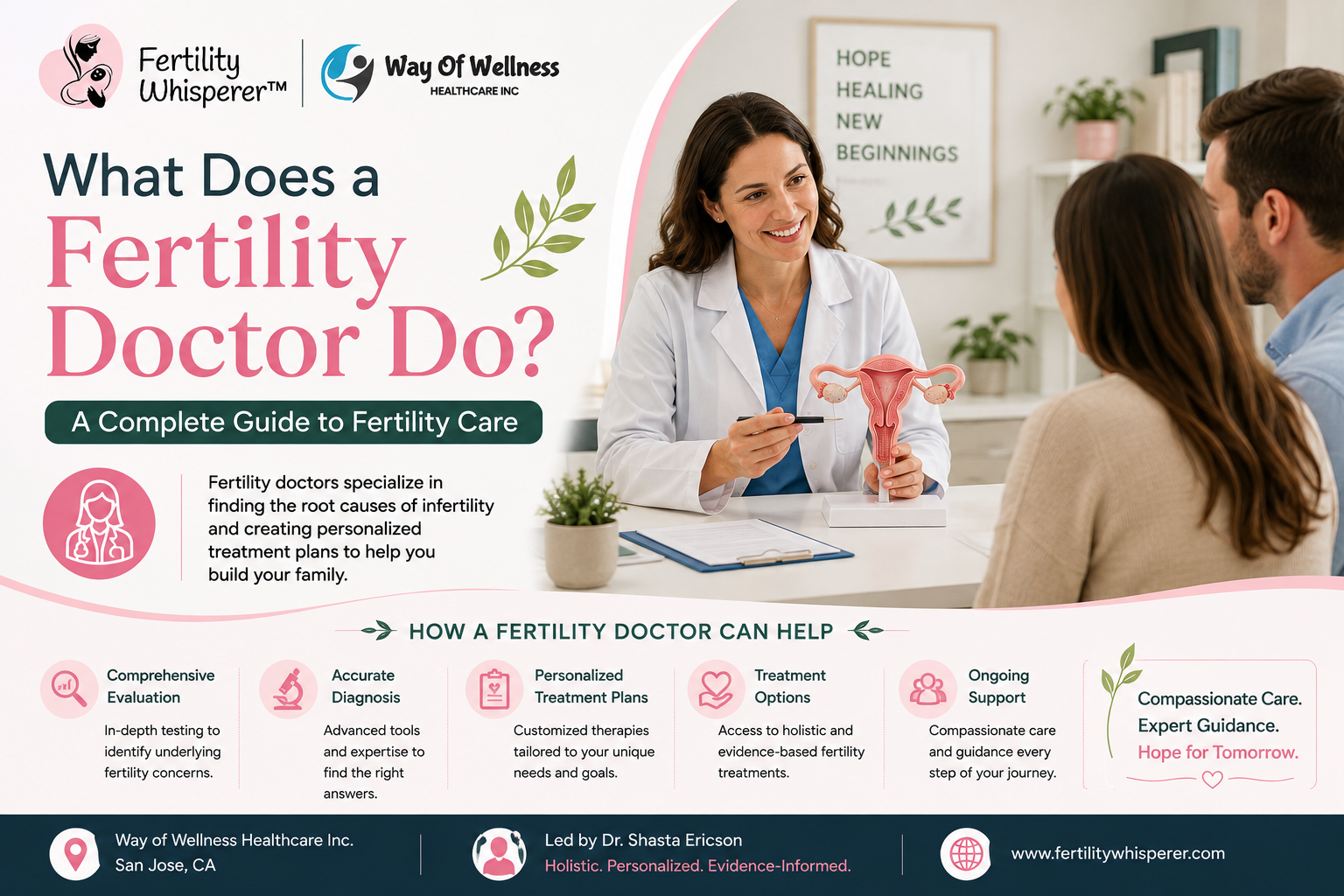
    What Does a Fertility Doctor Do? A Complete Guide to Fertility Care

    The fertility physician will help you understand the reasons behind infertility and offer you ways in which pregnancy can be achieved. According to your condition, fertility services can range from checking your ovulation, hormones, reproductive health, sperm health, and other factors related to your lifestyle and your pregnancy history in order to suggest the right treatment for you.

    Pregnancy can become a difficult issue to solve, as every month you may have questions regarding whether you are ovulating, whether your hormone levels are fine, whether you should wait longer or you need to have IVF treatment. The fertility physician can give structure to all your concerns by identifying any possible factors that influence pregnancy.

    It should be noted that visiting the fertility doctor does not always mean that you should immediately have IVF. Some of the best steps that you can take include learning about your menstrual cycle, confirming ovulation, or solving a possible problem.

    What Is a Fertility Doctor?

    It refers to a doctor specialized in evaluating and addressing any problem associated with conception or pregnancy in a patient.

    This can be through conventional fertility medicine where the patient sees an OB-GYN, reproductive endocrinologist, or an infertility doctor. The latter will be able to evaluate the underlying problems within the reproductive system and provide treatments that may include medications, IUI, and IVF.

    But fertility medicine can be delivered by other health practitioners dealing with other fields that include nutrition, stress relief, acupuncture, and holistic wellness.

    That is why the type of a doctor needed makes a difference when choosing a health practitioner. When searching for a “fertility doctor near me,” the first thing is to know what type of a fertility doctor the person needs.

    For instance, one patient might need evaluation by a medical practitioner regarding any problem in conception while another may need fertility care in addition to seeing a reproductive doctor.

    When Should You See a Fertility Doctor?

    However, there is no one-size-fits-all guideline that applies to everyone.

    For most couples, a fertility evaluation is done if the couple has had twelve months of regular, unguarded sex without conception while the woman is younger than 35 years old. For women who are 35 years and above, fertility evaluation is normally suggested after six months. Evaluation might also need to be done earlier if you know that you have fertility issues.

    Here are some situations where you might consider getting a professional opinion even before the guidelines:

    • Extremely irregular or infrequent periods
    • History of endometriosis and pelvic surgery
    • Recurrent miscarriages
    • PCOS or ovulation problems
    • Prior issues regarding reproductive health
    • History that could interfere with the production of healthy sperms
    • Trouble conceiving after having a baby in the past
    • Issues with fertility because of your age

    It is crucial to note that this guideline should never be used as an excuse to worry about your infertility.

    What Does a Fertility Doctor Do During the First Visit?

    Your initial fertility appointment is primarily for information collection rather than commencing treatment right away.

    The fertility provider will want to know:

    • Age and fertility history
    • Cycle length and regularity
    • Pregnancy history
    • How long you’ve been trying to conceive
    • History of fertility investigations or treatment
    • Medication and vitamins
    • Lifestyle and diet
    • Any relevant medical history
    • Reproductive history of your partner

    Depending on the type of fertility provider and your situation, investigations could consist of blood tests, ultrasounds, ovulation testing, semen analysis, or others.

    Practical advice: Bring along past test results to your appointment. If you’ve had blood tests in the last six to twelve months, ultrasounds done, a medication list, and/or prior fertility investigations, this will save you from repeating tests that are unnecessary.

    Also helpful is tracking of your menstrual cycles for a minimum of two to three months prior to your fertility appointment. Document the date of onset of your periods, your approximate cycle length, abnormal bleeding, and any ovulation testing you’ve done.

    Fertility Care Is About Finding the Right Questions

    A major misconception is that fertility treatment is only about discovering one “fertility problem.”

    On the contrary, the conception process may be determined by different factors.

    For instance, think about a 34-year-old woman whose cycle lengths differ from 27 to 40 days. She tries to conceive for 8 months and thinks that all she needs to do is try “harder” around ovulation time.

    However, a proper fertility evaluation could consist of:

    • Is she ovulating properly?
    • What causes her variable cycles?
    • Does she have PCOS or other hormonal problems?
    • What about her ovarian reserve?
    • Did her husband do a sperm analysis?
    • Are there any lifestyle or nutrition issues to discuss?

    Such an evaluation is much more efficient than guessing the conception date.

    What Tests Might Be Recommended?

    Tests depend on age, symptoms, reproductive history, and length of time being fertile.

    Tests may include:

    Ovulation Testing

    Ovulation is crucial for natural conception. Ovulation testing will be done using one of many techniques available depending on the situation to see whether ovulation occurs.

    Hormonal Blood Tests

    Blood tests may be used to test reproductive hormones or other things related to fertility.

    Certain hormonal blood tests need to be conducted at certain times; do not assume all tests can be done at any point during your menstrual cycle.

    Fertility testing should not be focused solely on the female patient.

    Analysis of sperm count, motility, morphology provides very useful information about the state of the man’s reproductive system. Sperm analysis is usually a fairly simple part of fertility testing.

    Ultrasound

    A pelvic ultrasound allows an image of the woman’s uterus and ovaries, which helps detect such things as ovarian cysts or uterine fibroids.

    Additional Testing

    Based on the patient’s medical history, additional tests may be recommended to study the state of fallopian tubes or uterine cavity, etc.

    The important thing is to conduct targeted testing.

    What Happens After Testing?

    The next step after collection of information is to talk about the results and options that are available.

    Treatment is very much dependent on what the cause is.

    Some possible treatment methods are:

    • Cycling and Ovulation Monitoring
    • Changing the Lifestyle and Diet
    • Ovulation Induction Medication
    • Underlying Condition Treatment
    • IUI
    • IVF
    • Fertility Preservation
    • Consulting another Specialist
    • Alternative Fertility Treatment

    It is important to note that not everyone requires the same path to fertility.

    A woman who does not ovulate as she should is going to require a completely different treatment path than someone who suffers from either a blocked fallopian tube or some kind of abnormality with the sperm parameters.

    What About a Cheap Fertility Doctor?

    Looking for a “cheap fertility doctor” makes perfect sense since fertility treatments can get costly, especially when several tests, medications, procedures, and even reproductive techniques are needed.

    However, low consultation charges don’t always translate to low overall cost.

    When shopping around for a provider, consider the overall treatment process, which includes:

    • Consultation charges
    • Cost of follow-ups
    • Cost of tests
    • Cost of medication
    • Charges for procedures
    • Availability of insurance
    • Use of telemedicine
    • Review of previously performed tests
    • Referrals, where needed
    • Always request an estimate where possible.

    While a $100 consultation fee might seem high compared to a $50 fee charged by another provider, a $100 consultation that will result in a proper and precise diagnosis will definitely be more helpful than one at $50 without any direction forward.

    Another thing to consider is whether the approach used by the provider will suit your case.

    How to Find a Fertility Doctor Near Me

    “Near me” searches are a good start, although you should consider more than just location when finding a fertility doctor.

    Before you make an appointment, you should verify:

    Qualifications: Do they have appropriate training and qualifications?

    Expertise: Are they experienced working with infertility?

    Practice scope: What do they specialize in?

    Medically coordinated services: Can they collaborate with a reproductive endocrinologist and fertility clinic if necessary?

    Communication: Do they discuss diagnostic tests and treatments with their patients?

    Pricing: What services do they provide during an initial consultation?

    Next steps: How do they coordinate future consultations?

    In the case of complementary fertility care, it is especially critical to realize that complementary care complements and should not substitute a proper medical assessment in cases of infertility or reproductive disorders.

    Where Fertility Whisperer™ Fits Into Fertility Care

    The Fertility Whisperer™ program takes a holistic fertility-focused approach encompassing wellness, lifestyle, and complementary medicine.

    Dr. Shasta Ericson, L.Ac., D.A.O.M., is an acupuncturist and doctor of acupuncture and oriental medicine with over twenty-nine years of experience practicing holistic medicine. She specializes in women’s health and fertility, developing the Fertility Whisperer™ program as well as fertility tools.

    It is crucial to consider Dr. Ericson’s credentials: Fertility Whisperer™ must not be considered an alternative to reproductive endocrinology and other forms of medical fertility assistance if diagnostic evaluation and medical treatment are needed.

    On the contrary, patients may benefit from complementary fertility assistance.

    Questions to Ask Before Choosing a Fertility Provider

    Prior to your first visit, you might want to ask the following questions:

    • What kind of fertility treatment do you offer?
    • What are your qualifications and specializations?
    • What kind of testing do you usually conduct at the start?
    • Do you collaborate with fertility centers and medical experts?
    • How do you know if the treatment is effective?
    • What else might I be charged for?
    • How often do I need to make follow-up visits?
    • In what cases would you suggest visiting a reproductive endocrinologist?
    • Is it possible to combine my current medication with complementary therapy?

    The answers will reveal many things about the compatibility of this specialist with your situation.

    Practical Tips Before Your First Fertility Appointment

    It will help if you prepare a bit to make your visit productive.

    • Monitor your cycles. Write down cycle dates and any unusual symptoms for at least two to three months.
    • Take your medical documentation. Bring previous results of blood tests, ultrasounds, semen analysis, operation reports, and records of your fertility treatment.
    • Make a list of medications. Include any medications that you have been taking by prescription or over-the-counter, vitamins, and supplements.
    • Put your questions on paper. Fertility visits can be very informative. Writing down your questions will prevent you from forgetting about anything.
    • Come with your partner, if you can. Fertility may concern either your partner or both of you; therefore, evaluation should not necessarily start with just one of you.

    Find out what is next. Do not leave your visit without learning what should happen next.

    Author Bio

    Dr. Shasta Ericson, L.Ac., D.A.O.M. is a California-licensed acupuncturist and Doctor of Acupuncture and Oriental Medicine with nearly 30 years of experience in holistic medicine. Her professional focus includes women’s health and fertility, and she has developed fertility-focused education and wellness resources through Fertility Whisperer™. She combines traditional Chinese medicine and natural functional medicine approaches with an emphasis on individualized care and collaboration with conventional reproductive healthcare when appropriate.

    The Bottom Line

    Not only does a fertility doctor provide fertility treatments. Effective fertility practice begins with knowledge about your reproductive history, determination of what needs to be clarified, selection of relevant tests and development of the treatment plan which takes into account your unique circumstances.

    When looking for a fertility doctor, fertility specialist or complementary fertility practitioner, do not limit yourself to price and location alone. Credentials, experience, communication, scope of practice and coordination with other healthcare practitioners are all key factors for quality fertility practice.

    Fertility Whisperer™ provides a holistic approach to fertility care by Dr. Shasta Ericson, L.Ac., D.A.O.M., with a focus on female health, fertility, wellness, and personalized care. When dealing with conception, the best move may not be to go for the most invasive treatment right away, but rather to get relevant information. Book Now:- Fertility Whisperer™

    Frequently Asked Questions

    1. What is a fertility doctor?

    A fertility doctor assesses elements that might prevent you from conceiving and recommends a course of action. Based on their qualifications and specialization, this may range from fertility assessments to diagnosis, treatment with medications, assisted reproductive treatment, or referral to another physician.

    2. When should I see a fertility doctor?

    One of the general recommendations states that you should visit one after 12 months if the woman is younger than 35 and after six months if she is over 35. Early visits are recommended if you have irregular periods, previous fertility issues, pregnancy losses, and other known problems.

    3. Will my visit to a fertility doctor imply that I will have to go through IVF?

    Not necessarily. IVF is just one option among many fertility treatments. Depending on the reason for your infertility, the treatment can include monitoring, lifestyle changes, medications, IUI, treatment of underlying conditions, or nothing at all at the moment.

    4. Is an inexpensive fertility doctor always the best choice?

    Maybe not. Think about the overall cost of the service, and not just the initial consultation fee. Think about other factors as well such as qualifications, scope of practice, diagnostic methods, follow-up, and whether the practitioner discloses additional costs.

    5. Can holistic fertility treatment take the place of medical fertility treatment?

    If there is a possibility of a fertility problem, holistic treatment should never serve as an alternative to the necessary medical diagnosis. Depending on the person and their healthcare providers, holistic treatment might sometimes be combined with medical treatment.

    7. What should I bring to my first fertility consultation?

    Take all the prior fertility tests, information regarding your menstrual cycle, list of medications, list of supplements, and any medical history that would be important for your doctor to know.

  • What Is Egg Donation? A Complete Guide to the Process, Eligibility, Success Rates, and What to Expect

    What Is Egg Donation? A Complete Guide to the Process, Eligibility, Success Rates, and What to Expect

    Egg donation is a reproductive technology involving the use of eggs from a donor to generate embryos by way of in vitro fertilization (IVF). The embryos may then be transferred either into the intended recipient or into a gestational carrier. In cases where it is not likely for a healthy pregnancy to develop using one’s own eggs because of age, depleted ovarian reserve, history of IVF treatments, certain genetic problems, or any fertility-related issues, egg donation may be considered.

    It is natural for people to view the idea of donating eggs or accepting eggs emotionally as well as medically. Knowledge about the egg donation procedure, eligibility criteria, success rates, and considerations will aid in making this decision easier.

    What Is Egg Donation?

    In egg donation, a donor will supply eggs on behalf of another individual or couple who requires donor eggs in order to conceive.

    The donor will receive ovarian stimulation to develop several eggs. Egg retrieval is performed through a minor medical process. The donated eggs will be fertilized with sperm to form embryos at the IVF laboratory. Afterward, the embryo is transferred to the womb of the prospective mother or gestational carrier.

    Egg donation is applicable if ovarian reserve or egg quality is a matter of major concern. This is especially applicable if previous fertility treatment yielded no successful embryos or a genetic issue exists which makes the use of eggs from the prospective parent inadvisable.

    It is important to note that the use of donor eggs does not ensure pregnancy. There are other issues such as the health of the uterus of the recipient, the quality of the embryo, sperm factors, medical history, among others.

    Who May Consider Donor Eggs?

    Donor eggs can be mentioned in a discussion by a fertility specialist in any of the following instances:

    • Advanced maternal age and poor egg quality
    • Early menopause or decreased ovarian reserve
    • Failed attempts at IVF
    • Inadequate response to stimulation
    • Issues in embryo growth and/or implantation
    • Some hereditary disorders
    • Previous ovarian surgeries or treatments interfering with ovarian functions
    • Menopause and inability to produce eggs

    It is crucial to personalize the advice at all times. A low AMH value does not necessarily imply that you have to use donated eggs. AMH only offers a prediction of ovarian reserve and response to stimulation but not the ability to conceive.

    An experienced fertility specialist will consider your whole medical history instead of coming to a conclusion based on one lab report.

    Who Can Donate Eggs?

    Screening of egg donors is typically done to assess a potential donor and ensure that she is fit to be a part of the egg donation program. While each center will have different requirements for their donors, it is common to include age restrictions, medical history, family history, infectious disease testing, genetic screening, and psychological screening.

    It is not the objective of the screening process to find the “perfect” egg donor. The goal is to lower the risks associated with the process and help the recipient make an educated decision.

    Some of the questions that a prospective egg donor can raise with regard to becoming an egg donor are:

    • Medical and genetic screening
    • Testing for infectious diseases
    • Counseling
    • The risks of medications
    • Procedure
    • Compensation if applicable
    • Policy regarding confidentiality and future contact
    • What will happen in case of any complications

    Egg donation is a medical procedure and not merely the donation of unused eggs.

    The Egg Donation Process: Step by Step

    While all programs work in their own unique ways, there are certain steps involved in the process of egg donation.

    1. Donor Selection

    Donor selection entails the review of medical records, history of family members, reproductive history, genetic factors, and testing done in the lab.

    Recipients can have particular preferences about features like physical appearance, blood group, or any donor information that the program provides. It depends on the donor program and regulations in place.

    2. Ovarian Stimulation

    After selecting a donor, injectable medications are used in many cases for ovarian stimulation for a period of 8 to 14 days.

    Monitoring appointments for the donor follow after the administration of the medication. Through ultrasound examination and hormone testing, doctors assess how the ovaries react.

    The aim is to have numerous follicles develop at once as opposed to having only one follicle develop.

    3. Egg Retrieval

    Once the follicles are ready for retrieval, a specific medication is used in preparation for egg retrieval.

    The donor is put under sedation, and using an ultrasound and needle, the doctor extracts eggs from the ovaries via the vagina.

    The whole process takes a relatively short time, but it varies with different people.

    4. Fertilization and Embryo Development

    Following this process, the eggs are fertilized by the sperm in the lab under IVF treatment. Whether or not conventional IVF or ICSI is used will depend on individual conditions.

    The embryos will be monitored as they develop. Some embryos will be developed into blastocysts within five to seven days following fertilization.

    However, it must be noted that not all of the eggs extracted will become embryos, and not all embryos will be appropriate for implantation.

    5. Preparing the Recipient

    The intended mother can be administered medicines for preparing the uterine lining prior to embryo transfer.

    The process will depend upon cycle features, reproductive history, hormone levels, etc.

    6. Embryo Transfer

    One of the chosen embryos is transferred to the uterus through a narrow catheter. The procedure is typically far less invasive than egg retrieval.

    Pregnancy test is normally conducted about 9-14 days after the embryo transfer, depending on the protocol followed by the clinic.

    How Successful Is Egg Donation?

    Egg donation success rates are one of the most common questions people ask before choosing eggs from a donor. However, there is no single number that reflects the whole picture.

    The CDC presents ART outcomes for those who undergo cycles using donor eggs or donor embryos, and these outcomes tend to be presented on an embryo transfer basis rather than by the intended parent age group. According to the CDC, intended parent age is not a significant factor influencing success rates for ART using donor eggs.

    It makes biological sense, as donor eggs usually come from young and screened donors; thus, the effect of age on the quality of eggs used is less pronounced.

    Nonetheless, there are other factors affecting the success of infertility treatment with donor eggs, such as uterine issues, embryo quality, semen problems, medical problems of the patient, and pregnancy complications.

    In evaluating clinics’ success rates, it is necessary to look behind the figures and ask if the quoted success rate includes:

    – Pregnancy or live birth success rate

    – Embryo transfer or treatment cycle success rate

    – Fresh or frozen donor eggs

    – Donor eggs or donor embryos

    – First transfer or cumulative success rate

    The CDC advises taking into account these aspects when analyzing ART success rates.

    What Does Donor Egg IVF Feel Like?

    Physical procedures can consist of drugs to prepare the uterine lining, appointments to monitor the recipient, transfer of embryos, and pregnancy tests.

    Emotional response can be more intricate.

    On the one hand, some individuals immediately feel relief in terms of having donor eggs as a chance after many years of fruitless attempts to conceive through fertility treatments. On the other hand, there is grief about the inability to use one’s own genetic material; there might be worries about the possibility to bond with the baby and the need to explain donor conception to the child later.

    Such feelings are quite natural.

    Before starting the treatment procedure, it would be wise to consult a counselor. Also, the couple should decide how to discuss donor conception with their future child.

    Practical Tips Before Choosing Egg Donation

    If you are considering donor eggs, take these steps before starting treatment:

    Ask for your complete fertility assessment. Understand why donor eggs are being recommended and whether other options remain reasonable.

    Request clinic-specific data. Do not rely only on national averages. Ask how the clinic performs specifically with donor eggs.

    Understand what is included financially. Donor fees, medications, laboratory procedures, embryo storage, genetic testing, and future transfers may be billed separately.

    Ask about the donor screening process. Find out what medical, genetic, infectious-disease, and psychological screening is performed.

    Discuss the embryo strategy. Ask how many embryos are normally transferred and whether single-embryo transfer is recommended in your situation.

    Consider counseling. Donor conception can involve complex emotional and family questions, and professional counseling can provide useful preparation.

    Work with a qualified fertility specialist. Your individual medical history matters more than a generic success-rate statistic.

    A Realistic Example

    Let’s imagine a woman in her early 40s, who has gone through numerous IVF procedures with her own eggs, having trouble producing enough embryos for transfer. Her fertility specialists will probably inform her that the problem lies mainly with egg quality rather than her uterus being able to carry a pregnancy.

    With donor eggs, the plan will definitely be different because these eggs belong to a donor whose characteristics were screened. Nevertheless, the uterus of this patient will have to be evaluated, and the embryos created will have to mature in the right way.

    The key point here is that donor eggs can help solve one of the main issues but not all of the variables that play a role in a pregnancy.

    That is why it is crucial to be realistic when speaking about infertility treatments.

    How Fertility Whisperer™ Can Help You with Fertility

    It’s hard to say that there is a standard case of infertility. That is why at Fertility Whisperer™ Dr. Shasta Ericson, L.Ac., D.A.O.M., with over 30 years of experience, provides an integrative approach with a focus on fertility and overall wellness.

    Complementary fertility care should not replace evaluation or treatment from a reproductive endocrinologist or other qualified fertility physician. Instead, it can be considered part of a broader, coordinated approach to well-being during a fertility journey.

    Final Thoughts

    When using one’s own eggs does not result in successful pregnancy, egg donation may give an opportunity for conception. To make a decision, you need to know everything about donor selection, the screening process, in vitro fertilization, embryo culture, success rates, statistics, costs, and psychological issues.

    First of all, don’t assess your situation in terms of a single figure or someone else’s experience. It depends on your age, medical history, ovarian function, uterine state, sperm parameters, previous results of the IVF procedure, and your personal expectations.

    The consultation of a professional fertility doctor will tell you whether egg donation suits you and how to act further.

    Author Bio

    Dr. Shasta Ericson, L.Ac., D.A.O.M., is a licensed acupuncturist and Doctor of acupuncture and Oriental Medicine with more than 30 years of experience. She specializes in integrative and fertility-focused care, combining acupuncture with individualized nutrition and lifestyle guidance. Through Fertility Whisperer™, Dr. Ericson supports people navigating fertility challenges while emphasizing personalized care, informed decision-making, and collaboration with conventional fertility treatment when appropriate.

    Frequently Asked Questions About Egg Donation

    1. Is egg donation the same as IVF?

    Not necessarily. Egg donation is simply the method used to get eggs for an IVF cycle. The eggs are fertilized, embryos are created, and one is transferred to the recipient.

    2. Does egg donation guarantee pregnancy?

    Absolutely not. Eggs donated by another woman can increase the possibility of pregnancy in certain cases, especially if egg quality is the major barrier to fertility, but there is no such guarantee as far as any fertility procedure is concerned.

    3. How long does the egg donation process take?

    The egg stimulation and retrieval usually takes several weeks, beginning from the preparations until egg retrieval. The time frame of the recipient’s treatment will depend on whether there are embryos ready, or frozen or fresh eggs are used, and on the uterine preparation protocol.

    4. Are there any age limits to the use of donor eggs?

    Yes and no. Depending on an individual’s state of health and reproductive evaluation, older women might be able to benefit from the process. Though it might increase the likelihood of successful pregnancy, being pregnant in old age is still risky.