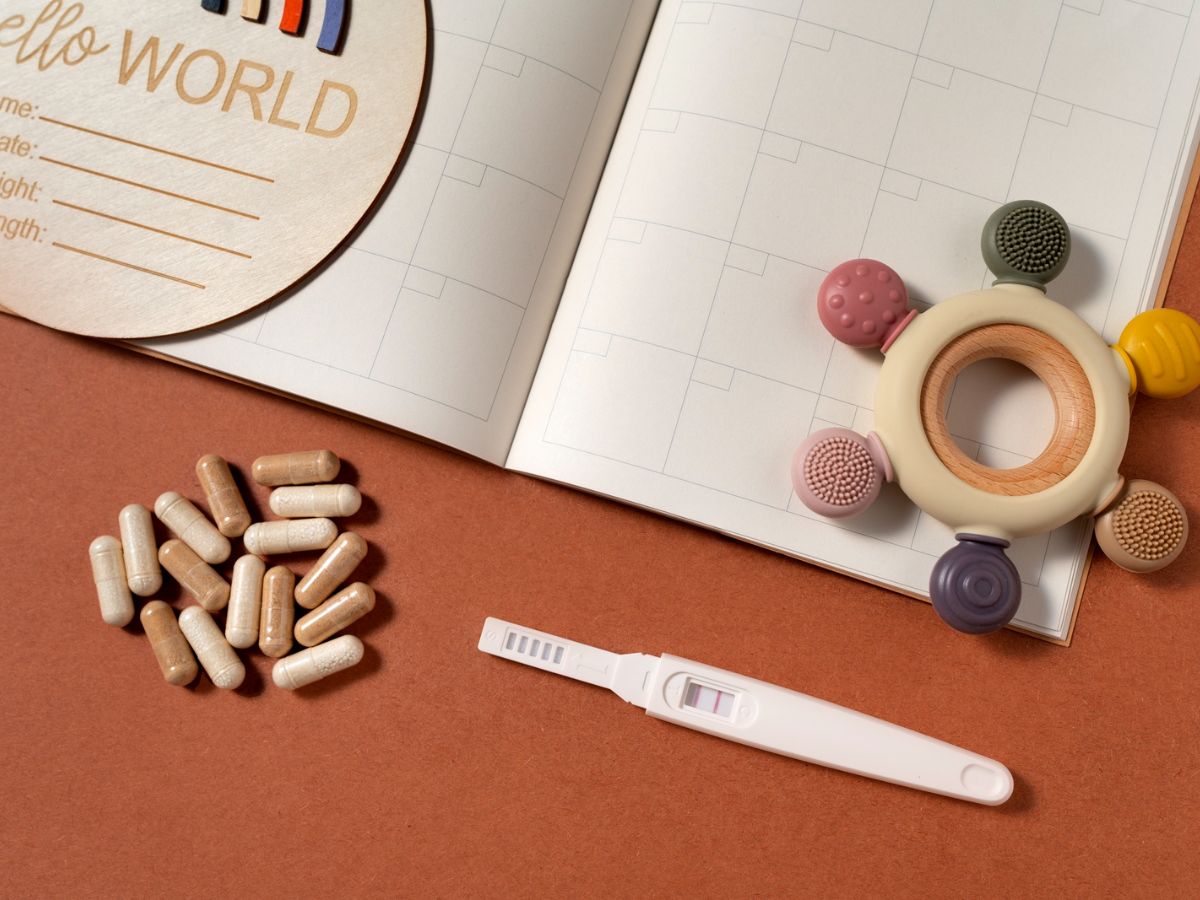
A chemical pregnancy is a very early pregnancy loss which takes place soon after implantation- usually before the fifth week of pregnancy. In the majority of cases, it occurs prior to the appearance of a gestational sac on ultrasound and the only indication of pregnancy is a transient elevation of the hormone human chorionic gonadotropin.
Although the word might appear to sound clinical, chemical pregnancies are more widespread than many individuals know and tend to go undiagnosed. What is a chemical pregnancy? What is the cause of chemical pregnancy? What happens to your future fertility with a chemical pregnancy? Understanding these questions can help you to lessen confusion and anxiety during conception.
Meaning of Chemical Pregnancy?
Meaning of Chemical pregnancy is the implantation that takes place on a fertilized egg in the uterus, but terminates at a very early stage of development. This can occur so soon after conception that it is considered an early miscarriage.
The word chemical is due to the fact that pregnancy is verified using biochemical tests (blood or urine tests which detect human chorionic gonadotropin) instead of imaging (ultrasound).
In most situations people might not even know that they are pregnant, more so when they are not testing early enough. But nowadays more chemical pregnancies are diagnosed due to the proliferation of sensitive home pregnancy tests.
How Common Is a Chemical Pregnancy?
Chemical pregnancies are quite prevalent and can contribute to 50-75% of all miscarriages. The majority happen before an individual misses a period.
Although such a statistic might be shocking, it is just the way the body works towards pointing out pregnancies that might not proceed normally. To many, it is an isolated incident and not a sign of future fertility issues.
Chemical Pregnancy Signs and Symptoms
The signs of a chemical pregnancy may be mild and may be confused with a normal menstrual cycle. Nevertheless, some initial symptoms can be:
1. Positive Pregnancy Test Followed by Negative
You might first get a positive pregnancy test because of the increase of human chorionic gonadotropin and then the pregnancy test becomes negative within a few days.
2. Vaginal Bleeding
Bleeding could be about when your period is due but it could be a little more or a little less than usual.
3. Mild Cramping
Others may have slight cramping of the abdomen or pelvis, like during a menstrual period.
4. Late Period
You might also have your period a few days later than it is supposed to be, and this can be confusing.
5. Declining hCG Levels
Provided that it is monitored with blood, doctors might notice a decrease in human chorionic gonadotropin.
What causes of Chemical Pregnancy
Nothing you did or did not do usually causes a chemical pregnancy. It can be a biological condition that you have no control over.
1. Chromosomal Abnormalities
Genetic abnormalities in the embryo, which retard normal growth, are the most common cause.
2. Hormonal Imbalances
Implantation and early pregnancy support may be affected by low levels of progesterone or other hormonal problems.
3. Uterine Conditions
Implantation may be disrupted by structural problems such as fibroids, or abnormalities of the uterus.
4. Implantation Issues
At times the embryo might fail to implant itself in the uterine lining.
5. Underlying Health Conditions
They may be caused by conditions like thyroid disorders or autoimmune problems, or uncontrolled diabetes.
Risk Factors
Certain factors may increase the likelihood of experiencing a chemical pregnancy:
- Age (especially over 35)
- Previous miscarriages
- Hormonal imbalances
- Lifestyle factors such as smoking or high stress
- Untreated medical conditions
But we should keep in mind that a chemical pregnancy can occur to everyone- even those who have no known risk factors.
Does a Chemical Pregnancy Affect Future Fertility?
In most cases, a chemical pregnancy does not negatively impact your ability to conceive again. In fact, it can be a sign that:
- Fertilization occurred successfully
- Implantation was initiated
Several people also conceive healthy pregnancies soon after they have a chemical pregnancy.
But when you are experiencing repeated early pregnancy loss, it is always prudent to seek the help of a fertility specialist to determine the cause of the problem.
When Should You See a Doctor?
You should consider seeking medical advice if:
- You have repeated chemical pregnancies
- You have difficulty conceiving over time
- You notice irregular cycles or hormonal symptoms
- You have known health conditions affecting fertility
A healthcare professional can order hormone tests, imaging, or other diagnostic tests to gain a better idea of your reproductive health.
Emotional Impact and Support
Although a chemical pregnancy occurs early, the emotional effect can be profound- particularly on those who are in the process of actively trying to conceive.
Feelings of confusion, disappointment, or grief are completely valid. It’s important to:
- Acknowledge your emotions
- Seek support from a partner, friends, or counselor
- Connect with fertility support communities
Fertility Whisperer™ focuses on a comprehensive fertility process, including physical and emotional support. I am a 30-year licensed acupuncturist and herbal medicine doctor and a Certified Health and Wellness Coach through Spencer institute, natural functional medicine and nutrition practitioner, as published by WebMD.
Can You Prevent a Chemical Pregnancy?
There is no guaranteed way to prevent a chemical pregnancy, but certain steps may support overall reproductive health:
- Maintain a balanced, nutrient-rich diet
- Manage stress levels
- Avoid smoking and excessive alcohol
- Monitor and treat underlying medical conditions
- Work with a fertility expert if needed
These measures may improve your chances of a healthy pregnancy, although they cannot eliminate all risks.
Key Takeaways
- A chemical pregnancy is a very early miscarriage occurring before 5 weeks
- It is detected through human chorionic gonadotropin levels, not ultrasound
- Most cases are caused by chromosomal abnormalities
- It is common and usually does not affect future fertility
- Emotional support and medical guidance are important
Frequently Asked Questions (FAQ)
1. How long does a chemical pregnancy last?
A chemical pregnancy typically lasts only a few days to a week. The process begins shortly after implantation and ends around the time of your expected period.
2. Can you have symptoms of pregnancy during a chemical pregnancy?
Yes, some people may experience mild early pregnancy symptoms like breast tenderness or fatigue, but these usually fade quickly as hormone levels drop.
3. Will a chemical pregnancy show on ultrasound?
No, a chemical pregnancy occurs too early to be detected via ultrasound. It is only identified through human chorionic gonadotropin levels.
4. How soon can you try to conceive again?
In most cases, you can try again as soon as you feel physically and emotionally ready. Many healthcare providers recommend waiting until after your next menstrual cycle for accurate dating.
5. Is a chemical pregnancy the same as a miscarriage?
Yes, it is considered a type of very early miscarriage, occurring before the pregnancy is visible on ultrasound.
6. Should I be worried after one chemical pregnancy?
Not usually. A single chemical pregnancy is common and does not typically indicate a serious fertility issue.
Leave a Reply