Polycystic ovary syndrome (PCOS) is one of the most common causes of female infertility but many women with PCOS can successfully conceive with the right treatment plan. A successful treatment of polycystic ovary syndrome may include lifestyle changes, medications to induce ovulation, hormone therapy, and a consultation with a fertility specialist. A timely diagnosis and pcos treatments will have a much better pregnancy success rate.
Understanding PCOS and Fertility Challenges
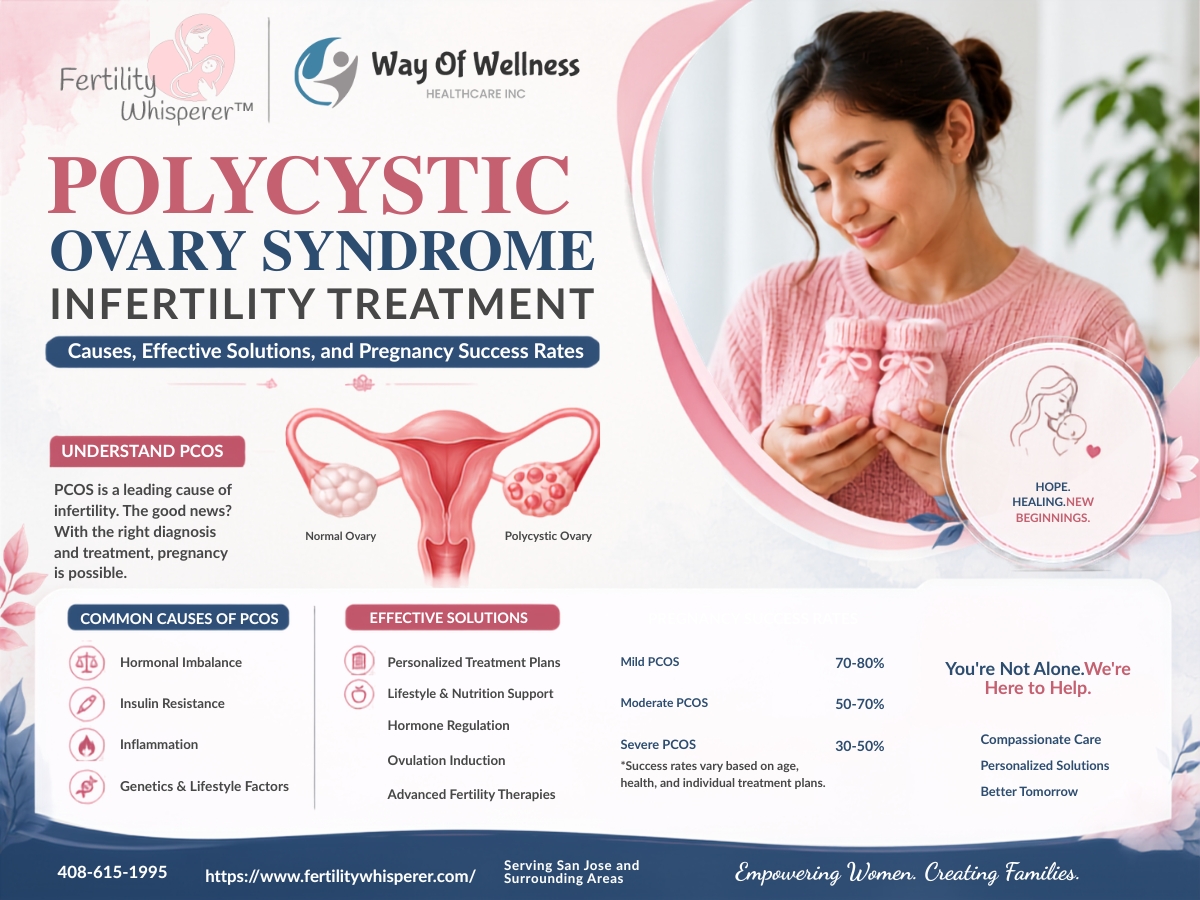
PCOS is a hormonal disorder which impacts the proper function of the ovaries. Women suffering from PCOS tend to have multiple small cysts on their ovaries, elevated androgen levels, insulin resistance and irregular ovulation. Such hormonal imbalances may make it hard to release eggs on a regular basis, which is the best way to have the baby conceived in a natural way.
Researchers estimate that PCOS affects around 10% of women of reproductive age, and is one of the most common causes of ovulatory infertility.
Common symptoms include:
- Periods that do not occur regularly or at all
- Weight gain or loss of weight is difficult
- Acne or oily skin
- Excessive hair on face or body
- Receding hairline.
- Difficulty getting pregnant
All women don’t have the same symptoms. Some women find out that they have PCOS when they have trouble getting pregnant.
How PCOS Causes Infertility
The main cause of problems with fertility caused by PCOS is ovulation. Hormones normally cause a mature egg to be released monthly throughout the menstrual cycle. PCOS disrupts this balance by altering the level of hormones.
Patients who attend fertility clinics often have a cycle that lasts 40-90 days or they may not have a period for months. With irregular ovulation, it is hard to predict when conception will take place.
Other fertility issues that can be linked to PCOS include:
- Poor egg quality
- Insulin resistance
- Obesity-related hormonal imbalance
- Increased miscarriage risk
- Inflammation, a problem of reproductive health
An assessment of the ovulation patterns, insulin activity, the levels of various hormones, and the health of the ovary is usually done by a fertility specialist before developing a treatment plan.
Most Effective PCOS Treatments for Infertility
The most appropriate polycystic ovary syndrome infertility treatment will depend on the age, type of symptoms, weight, the hormone profile and the duration of the patient’s infertility.
1. Lifestyle Changes and Weight Management
Lifestyle changes and weight management are essential.
Some women can get their ovulation to improve naturally with simple lifestyle changes.
Study evidence indicates that weight loss of 5 to 10% decreases in body weight may be enough to restore normal period cycles and fertility rates in overweight women with PCOS.
Practical recommendations include:
- A low-glycemic, high-protein diet.
- Limiting added sugar
- Engaging in regular physical activity (at least 150 minutes per week)
- Getting plenty of rest and learning to handle stress positively are extremely important.
- Tracking ovulation consistently
In one scenario doctors in fertility clinics see, the ovulation is enhanced within 3-6 months after reaching sustainable weight loss and insulin control.
But, not all patients diagnosed with PCOS are overweight. Even healthy living may not be enough for lean PCOS patients to achieve medical fertility.
2. Ovulation Induction Medications
The medicines that stimulate the development of eggs are one of the best infertility treatments for pcos.
Letrozole (Femara)
These days Letrozole is regarded as the first-line fertility drug for women suffering from PCOS. It acts by stimulating ovulation, and has been linked to increased live birth rates with some of the older medications.
Letrozole is a preferred choice of many fertility specialists because it generally yields:
- More predictable ovulation
- Reduce the chances of multiple pregnancy.
- Reduce the risk of multiple pregnancy.
- Improved pregnancy results for PCOS patients
Ovulation typically happens between 5-10 days after the end of the medication cycle.
Clomiphene Citrate (Clomid)
Clomid has been used to induce ovulation for many years. Although it still works for many women with PCOS, some women with PCOS might not benefit from it enough.
Follicle monitoring by ultrasound can be suggested to assess the growth of follicles and to minimise risks.
3. Metformin for Insulin Resistance
Many cases of PCOS are characterized by insulin resistance. Metformin improves the sensitivity of insulin, and can make ovulation cycles more regular.
Metformin is especially beneficial for patients who:
- Have high insulin levels
- Have PCOS symptoms related to weight loss.
- Have prediabetes
- Don’t rely on just ovulation medication to get pregnant.
In order to achieve better results, some fertility specialists use Metformin in combination with Letrozole.
4. Injectable Fertility Medications
When oral medications do not work, injections of gonadotropins may be suggested.
Medications directly stimulate the ovaries but must be closely monitored because women with PCOS are at risk for developing an ovarian hyperstimulation syndrome (OHSS).
With careful ultrasound monitoring, the incidence of complications and the amount of optimal egg development are reduced.
5. Intrauterine Insemination (IUI)
IUI can help to improve the chances of pregnancy for couples, when one partner has mild male factor infertility or unexplained infertility, and the other partner has PCOS.
The process involves:
- Stimulating ovulation
- Monitoring egg growth
- Intrauterine insemination (IUI)
- The sperm is introduced into the uterus at the time of ovulation.
Failure of several medicated cycles often leads to IUI.
6. IVF for PCOS
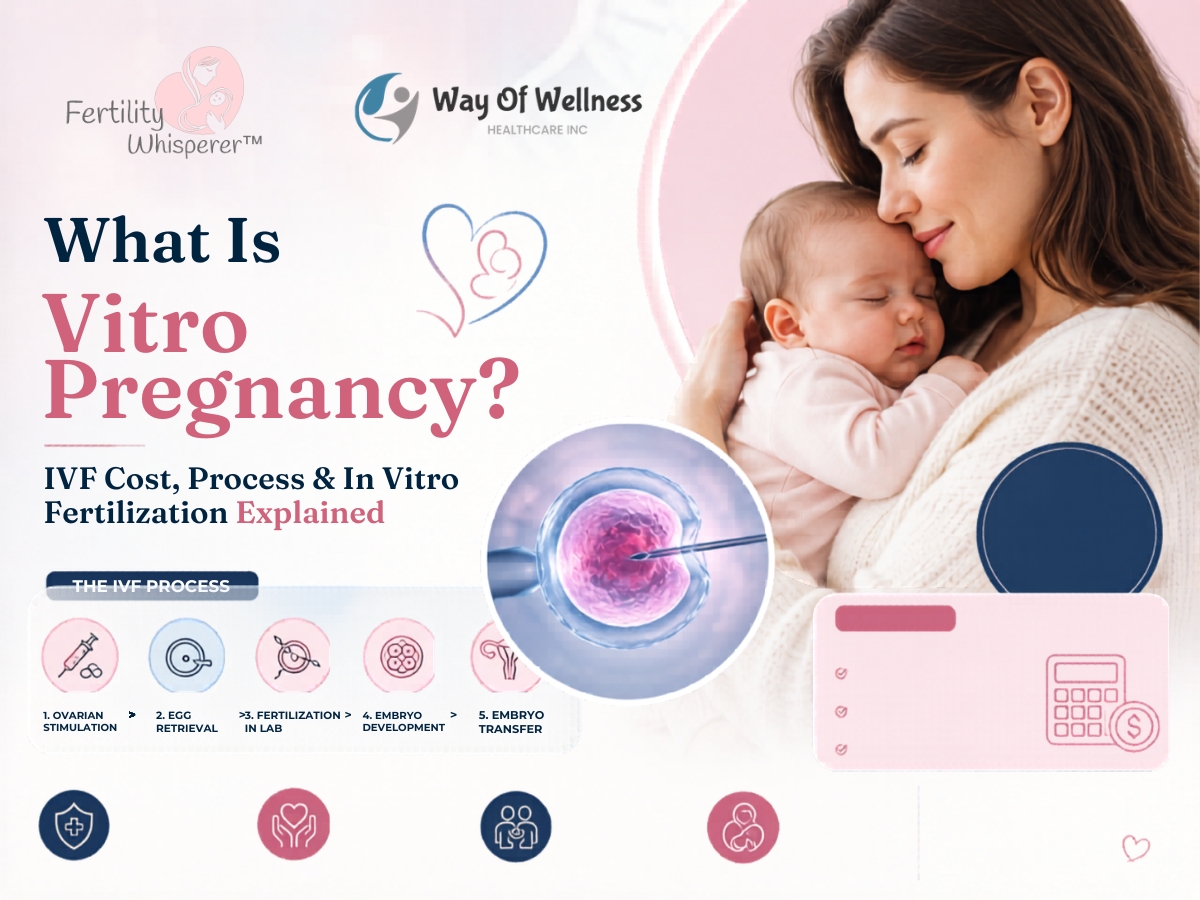
For some people, in vitro fertilization (IVF) could be considered if other treatments have not worked or if there are other fertility issues.
Though women with PCOS may have a strong ovarian response during IVF, this can be beneficial if managed appropriately by an expert fertility specialist.
Numerous IVF techniques have been developed to decrease the risk of OHSS and improve embryo quality and pregnancy success.
In IVF clinics such as Fertility Whisperer™, a personalized IVF treatment plan is particularly crucial, as PCOS patients react uniquely to hormone stimulation than the other infertility diagnoses.
Pregnancy Success Rates with PCOS Treatment
With the right PCOS treatment, many women with PCOS can conceive a healthy baby.
There are many factors that influence the rate of success, including the following:
- Age
- Weight
- Hormone balance
- Egg quality
- Duration of infertility
- Underlying medical conditions
General estimates include:
- Lifestyle changes alone: In many patients, the improvement of the ovulation occurs within 3-6 months.
- Letrozole ovulation success: The success rate for ovulation with Letrozole is about 60%–80%.
- The success rates for IVF procedures in younger PCOS patients: These can be similar or better than other women with infertility.
One important thing to remember is to have realistic expectations. Patients have variable rates of conception and may need several treatment cycles.
After fertility testing, a fertility specialist can be able to offer more personalized expectations.
When to See a Fertility Specialist
For many women, irregular periods are considered “normal” with PCOS and that is why they put off getting a fertility evaluation. The benefits of early intervention can be great.
If you are concerned, you should seek the advice of a fertility specialist:
- You are less than 35 years old and have been trying to conceive for 12 months.
- You are over 35 and have tried for 6 months
- When your period is very irregular.
- You rarely ovulate
- Have had multiple miscarriages.
A fertility workup can consist of the following:
- Hormone testing
- Ultrasound imaging
- Ovulation tracking
- Testing of insulin and glucose.
- Sperm examination for the man
Correct diagnosis prevents unnecessary delays in the process and incorrect treatments.
Practical Tips to Improve Fertility with PCOS
For those who are trying to conceive with PCOS, here are some tips on how to do just that.
Medical treatment along with regular lifestyle changes may be helpful for women with PCOS infertility.
Actionable strategies include:
Target Blood Sugar Balance
Replace refined sugars with complex carbohydrates like oats, lentils, vegetables or brown rice.
Track Ovulation Properly
Some patients with PCOS may not be reliable to use an ovulation predictor kit. Tracking the basal body temperature and using ultrasound monitoring can be more accurate.
Avoid Crash Dieting
When the body experiences any form of rapid weight loss, it can lead to worsening of hormone imbalance and strain the body.
Prioritize Sleep
A lack of quality sleep can exacerbate insulin resistance and hormone imbalance.
Ask About Vitamin D
Women suffering from PCOS often have low levels of Vitamin D, which could have an impact on their reproductive system.
Be consistent with follow-ups
Most successful pregnancies are achieved by modifying treatment over time and not in the first cycle.
Emotional Impact of PCOS Infertility
Dealing with PCOS infertility can be emotionally draining. Irregular periods, miscarried attempts to conceive and confusion about the up-and-down nature of pregnancy time are frustrating to many patients.
Having the support of a fertility specialist, counselor, and support group can help in treatment.
Once patients are more confident about what is going on and they have a clear treatment plan, they often feel more confident.
Final Thoughts
However, PCOS infertility is quite treatable, and many women are able to achieve pregnancies with the proper medical direction. Today, there are many options for IVF and other advanced fertility care, lifestyle changes, and medications for ovulation, as well, to help you achieve parenthood.
The principles are personalized treatment, early diagnosis, and treatment planning. By collaborating closely with a fertility expert, you can discover the best approach to your individual health profile and reproductive objectives.
Connect with a trusted fertility specialist at Fertility Whisperer™ to receive a personalized PCOS infertility treatment plan designed around your unique reproductive health goals.
Author Bio
Dr. Shasta Ericson is a fertility specialist with extensive experience in reproductive endocrinology, ovulation disorders, and personalized fertility treatment planning. She specializes in helping women with PCOS, hormonal imbalances, and complex infertility challenges achieve healthier reproductive outcomes through evidence-based care. Through her work with Fertility Whisperer™, Dr. Ericson focuses on compassionate, individualized fertility solutions that combine advanced reproductive medicine with patient-centered guidance.
Frequently Asked Questions
Is it possible to conceive without medication for women who suffer from PCOS?
Yes. When women with PCOS improve their fertility through lifestyle changes or medical treatment and they conceive naturally, many women do so.
Which fertility treatment is the best for PCOS?
Letrozole is usually one of the best fertility drugs to induce ovulation for PCOS patients as a first-line treatment. But treatment will depend on the fertility factors which are different for each person.
What’s the time scale for conceiving by treating PCOS?
There are women who become pregnant after just a few months, and others who need more treatment cycles (6-12 months or more) to get pregnant.
Are all women with PCOS infertility required to undergo IVF?
No. Lifestyle changes, oral medication or IUI can help many women conceive before the need for IVF.
Does losing weight help PCOS fertility?
Even losing 5-10% of body weight can help to improve ovulation and help increase the chances of becoming pregnant in overweight people with PCOS.