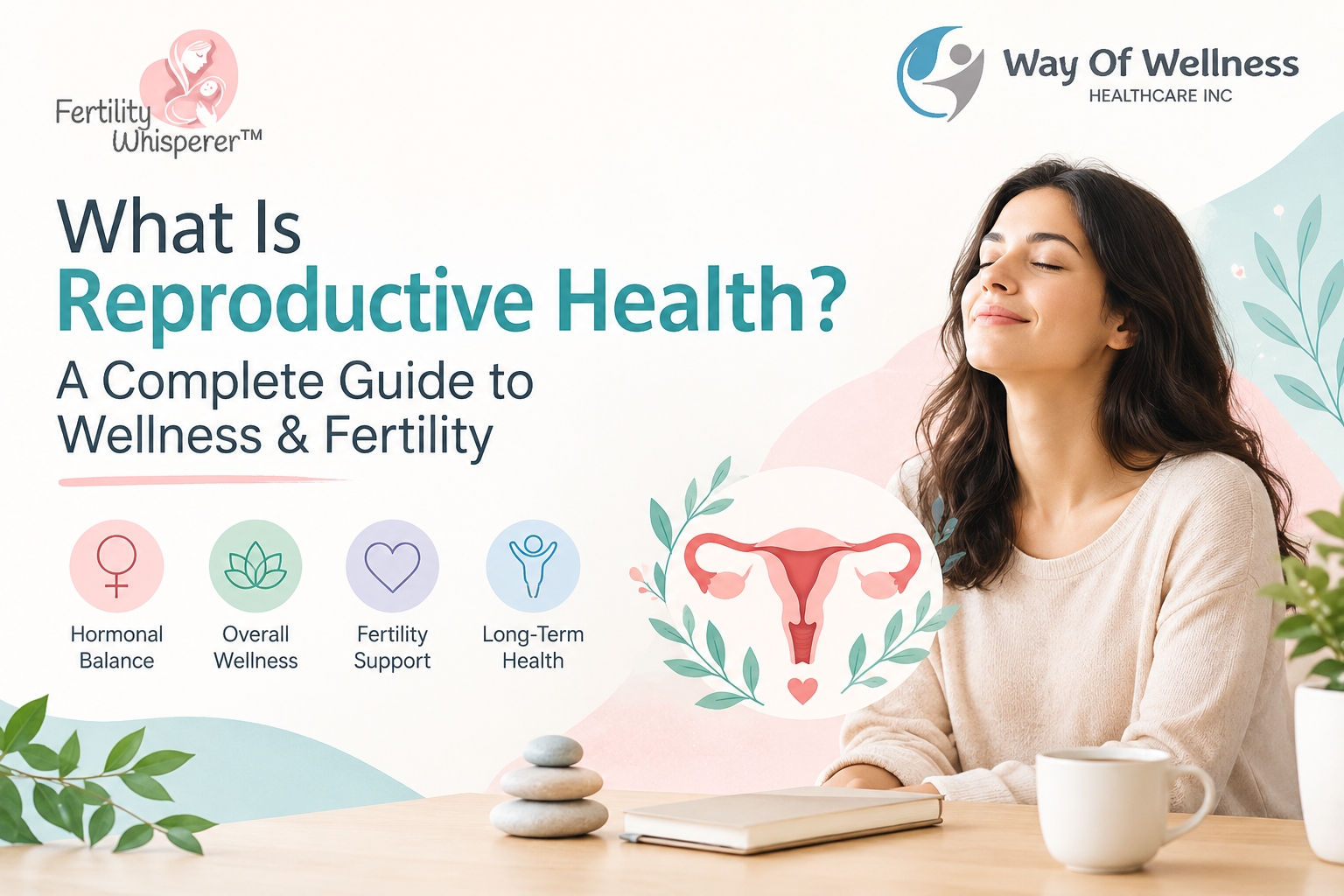
Reproductive health concerns many more aspects other than the capability to conceive. The concept is broader and concerns the wellness of one’s reproductive system, both physically, mentally, and socially, together with the provision of proper medical assistance, healthful relationships, fertility assistance, and the right to decide when and whether to have babies.
What Is Reproductive Health?
The term “reproductive health” can be explained as a condition of health regarding one’s reproductive system as well as the factors affecting its functioning in one’s life. Reproductive health concerns are far more than just pregnancy and delivery. Aspects such as sexual health, menstruation, contraception, infertility, STIs, pregnancy, and reproductive disorders can be considered.
According to the World Health Organization, reproductive health is a condition of physical, psychological, and social well-being in regard to the reproductive system and its functioning. It concerns also the capacity to lead a safe and satisfying sex life, as well as the opportunity to decide whether, when, and how often to give birth.
A wider definition of reproductive medicine is important because a person can have no apparent reproductive illness and yet require something that needs to be addressed.
Health and Reproduction: How Are They Linked?
It is more important than many might think how health in general impacts the reproductive process.
Nutrition, hormonal well-being, metabolic functioning, sufficient amount of sleep, stress, prescribed medication, infection, age, and overall lifestyle may have an effect on reproductive health. Moreover, reproductive well-being can also influence psychological state. It is important to note that trying to conceive a baby, undergoing pregnancy loss, or even getting a diagnosis of infertility can be difficult psychologically, and reproductive care should consider the whole person and not only the tests.
For instance, a person with irregular periods every month might be facing not only an inconvenient period calendar but also an underlying medical condition related to hormonal problems. This might include PCOS (polycystic ovary syndrome), problems with thyroid gland, changes in weight, and other hormonal issues.
It does not imply that every case of irregular cycle means that there are some fertility problems. However, it implies that persistent changes should be discussed with the doctor and
What Does Reproductive Health Include?
A comprehensive strategy regarding reproductive health includes several different components.
1. Menstrual Health
- For those individuals who have a menstrual cycle, this can be a source of useful information regarding their reproductive health.
- Paying attention to the following factors will help:
- Length and regularity of the cycle
- Heavy bleeding during menstruation
- Strong menstrual pains
- Unusual bleeding outside the period
- Sudden irregularities in the period or lack of it
Any conditions that stop someone from being able to work, sleep, exercise, and perform everyday activities
Keeping track of the cycle for a period of a few months will be useful before visiting the doctor.
2. Sexual Health
Sexual health is a key component of reproductive health. It involves protection from sexually transmitted infections, healthy sexual activity, use of contraception when the person does not wish to get pregnant, and proper medical treatment.
Issues such as pain during intercourse, changes in sexual function, strange discharge, sores, and suspected exposure to sexually transmitted infections should not be overlooked. Some reproductive infections do not cause any symptoms at all.
3. Fertility
Fertility is the capacity to get pregnant. This is affected by a variety of factors in both partners.
In order to become pregnant, a number of things need to happen successfully: an egg needs to get released, the sperm should reach the egg and fertilize it, and the embryo needs to travel down the fallopian tubes and get implanted into the uterus. The problems at any of these steps can lead to infertility.
It is important to note that fertility issues affect men just as much as women, and, therefore, evaluation of both partners may be needed if no conception happens.
4. Pregnancy and Preconception Care
Preparation for a healthy pregnancy is also part of reproductive health care.
If you are planning to get pregnant, a preconception visit can be helpful in order to discuss your existing health issues, medication and vaccines, lifestyle and menstruation history and many other aspects related to your plans for pregnancy.
This visit is especially important if you have any reproductive issues, problems during previous pregnancies, repeated pregnancy loss or difficulties with conception.
5. Contraception and Family Planning
Reproductive health encompasses not only being able to get pregnant but also having the knowledge and healthcare that allows you to determine whether you want to get pregnant and when.
The choices of contraception differ in terms of effectiveness, duration, side effects, convenience, and appropriateness. Your healthcare practitioner may help you find appropriate contraception.
How You Can Help Yourself with Reproductive Health
There is no one special diet, vitamin regimen, exercise program, or lifestyle habit that will make you fertile. There are some simple things you can do that will help you stay healthy and learn of any issues early enough.
Keep a Log of Your Reproductive Life
Keeping records for three months of menstrual cycles can provide surprising helpful data. You can write down cycle dates, periods of bleeding, pain, ovulation signs if you use such methods, and any other changes.
Instead of saying “I have irregular periods,” you will be able to say, “I had cycles of 29 days, then 42 days, and then 35 days.” It will give much more valuable information.
Review Medications Prior to Trying to Become Pregnant
Do not discontinue taking your medication merely because you wish to conceive.
Instead, make an appointment with the doctor who prescribed your medication.
Some medicines might require adjustments according to the particular situation.
Take Your Personal Habits into Account, But Don’t Go Overboard
A link has been found between smoking, excessive drinking, and obesity on one hand, and increased odds of infertility on the other hand.
However, that doesn’t necessarily imply that being fertile involves living a “perfect” life. The latter is usually harder to maintain.
Make sure you exercise regularly, get enough sleep, eat healthily, visit doctors when needed, and stay away from cigarettes.
Do Not Disregard Your Symptoms
Persistent pain in the pelvis, abnormally heavy bleeding, changes in cycles, recurrent infections, and inability to conceive, all these should be evaluated.
You might end up waiting for years before finding out about something treatable.
When Should You Get Help with Infertility?
One of the most frequent reproductive health questions relates to when you should seek help to conceive.
According to WHO, infertility is described as the inability to conceive after one year or even more of sexual activity without protection.
However, there are several aspects that may influence your decision to seek an evaluation. Thus, the CDC mentions that evaluation of fertility issues is often considered in case of six months of unsuccessful attempts to conceive for females over 35 years of age.
There are other reasons why you might get help before a year passes: irregular or absent menstruation, certain reproductive disorders, previous surgery in the pelvis area, recurrent miscarriages, suspected male infertility, and others.
Note that getting help with fertility issues does not necessarily mean you will need IVF. There are many kinds of fertility treatment you may receive depending on your problem.
What About Overlake Reproductive Health?
Those who enter search queries like “Overlake reproductive health” are most likely in need of reproductive wellness, fertility assessment, or even just reproductive healthcare services in their area.
While evaluating the various reproductive health clinics, think about more than just their names. The professional credentials of the reproductive health specialist, areas of their specialization, diagnosis method, manner of interaction, tests they offer, and if the care will be customized to your needs are among the things you need to consider.
The consultation of a reproductive health specialist must provide you with the chance to tell your story, raise your concerns, know why you need certain tests, and talk about your next steps.
Reproductive Health Is Important Throughout Life
Reproductive health is not something that becomes important only once you start planning your family.
Learning more about your menstrual cycle, preventing infections, making educated decisions about contraception, coping with your reproductive symptoms, staying healthy, and understanding the time to turn to the fertility specialists is what makes for reproductive wellness.
And if you want to conceive, don’t forget that fertility cannot be evaluated by one symptom or hormone level or just by one month of trying.
The goal of good reproductive healthcare is not to promise a particular outcome. It is to understand your health, identify relevant concerns, provide evidence-informed options, and help you make informed decisions about your reproductive future.
About the Expert
Dr. Shasta Ericson is a 30-year licensed doctor of acupuncture and herbal medicine, a Certified Health and Wellness Coach through Spencer Institute, and a practitioner of natural functional medicine and nutrition. With more than 35 years of experience in acupuncture & Oriental medicine and natural functional medicine, she specializes in supporting individuals with infertility and broader wellness concerns. Her work combines traditional and functional approaches for people pursuing natural conception as well as those undergoing assisted reproductive therapies.
Frequently Asked Questions
Is reproductive health only about fertility?
No. Reproductive health includes fertility, but it also covers menstrual health, sexual health, contraception, pregnancy, STIs, reproductive conditions, and overall physical, mental, and social well-being related to the reproductive system.
Does reproductive health affect both men and women?
Yes. Both male and female reproductive factors can contribute to difficulty conceiving. Male factors can involve sperm production, movement, shape, or problems with the delivery of sperm, while female factors may involve the ovaries, fallopian tubes, uterus, or hormonal system.
When should I get evaluated for infertility?
WHO defines infertility as not achieving pregnancy after 12 months or more of regular unprotected intercourse. Earlier evaluation may be appropriate depending on age, medical history, menstrual patterns, previous pregnancy outcomes, or known fertility concerns.
Can lifestyle changes improve reproductive health?
Healthy lifestyle habits can support overall health and may address some modifiable factors associated with fertility. However, lifestyle changes cannot guarantee pregnancy and should not replace appropriate medical evaluation when fertility concerns exist.
Is fertility treatment the only option if I have trouble conceiving?
No. Fertility care can include fertility awareness, lifestyle and medical evaluation, medications, procedures, and assisted reproductive technologies. The appropriate approach depends on the cause, health history, age, reproductive goals, and preferences of the individual or couple.
What is the most practical first step for improving reproductive health?
Start by understanding your own reproductive patterns. Track your menstrual cycle and symptoms, review medications and health conditions with your provider, address persistent symptoms, and seek professional guidance when something changes or you have concerns about fertility.