Tag: #FertilityJourney

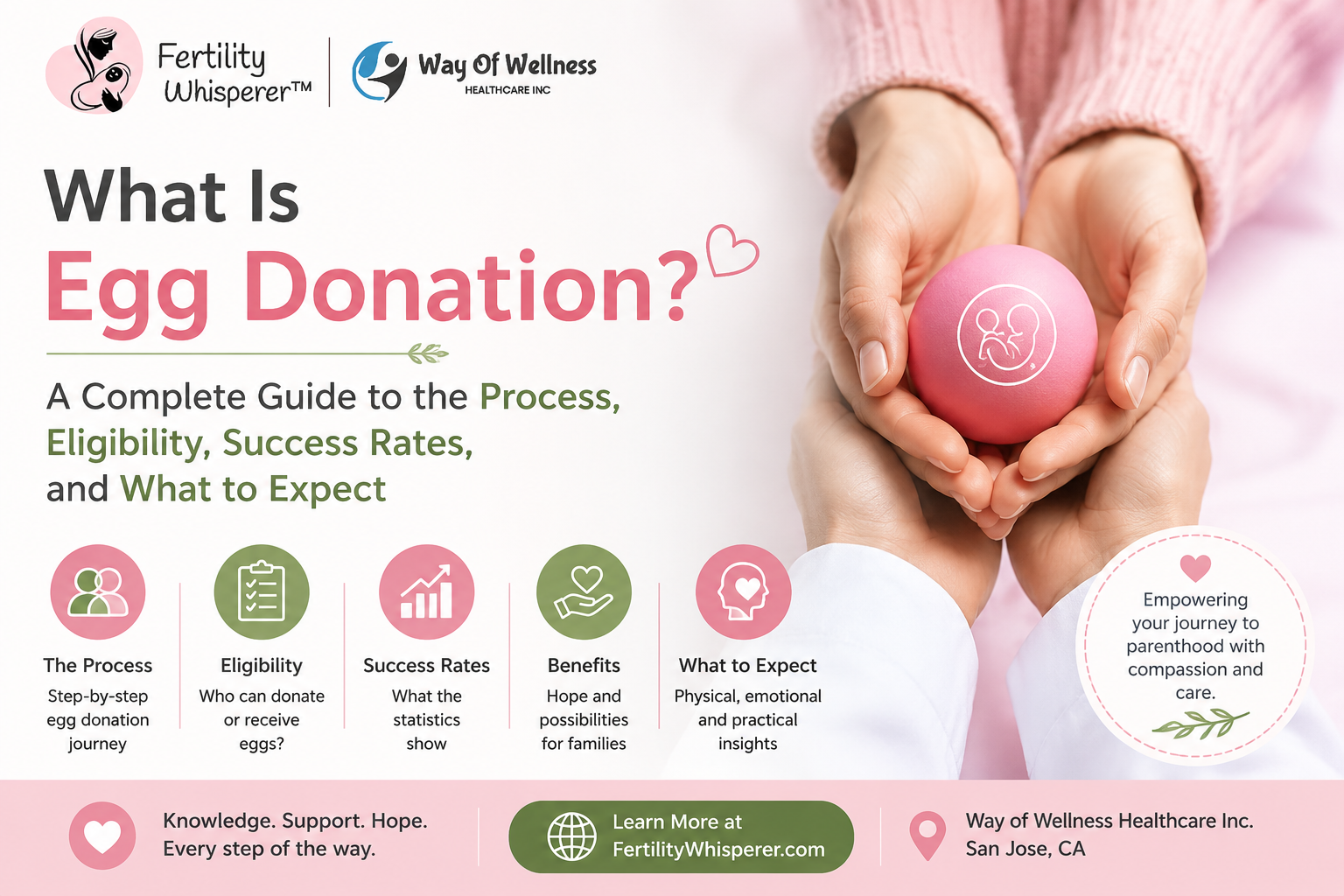
  • What Is Egg Donation? A Complete Guide to the Process, Eligibility, Success Rates, and What to Expect

    What Is Egg Donation? A Complete Guide to the Process, Eligibility, Success Rates, and What to Expect

    Egg donation is a reproductive technology involving the use of eggs from a donor to generate embryos by way of in vitro fertilization (IVF). The embryos may then be transferred either into the intended recipient or into a gestational carrier. In cases where it is not likely for a healthy pregnancy to develop using one’s own eggs because of age, depleted ovarian reserve, history of IVF treatments, certain genetic problems, or any fertility-related issues, egg donation may be considered.

    It is natural for people to view the idea of donating eggs or accepting eggs emotionally as well as medically. Knowledge about the egg donation procedure, eligibility criteria, success rates, and considerations will aid in making this decision easier.

    What Is Egg Donation?

    In egg donation, a donor will supply eggs on behalf of another individual or couple who requires donor eggs in order to conceive.

    The donor will receive ovarian stimulation to develop several eggs. Egg retrieval is performed through a minor medical process. The donated eggs will be fertilized with sperm to form embryos at the IVF laboratory. Afterward, the embryo is transferred to the womb of the prospective mother or gestational carrier.

    Egg donation is applicable if ovarian reserve or egg quality is a matter of major concern. This is especially applicable if previous fertility treatment yielded no successful embryos or a genetic issue exists which makes the use of eggs from the prospective parent inadvisable.

    It is important to note that the use of donor eggs does not ensure pregnancy. There are other issues such as the health of the uterus of the recipient, the quality of the embryo, sperm factors, medical history, among others.

    Who May Consider Donor Eggs?

    Donor eggs can be mentioned in a discussion by a fertility specialist in any of the following instances:

    • Advanced maternal age and poor egg quality
    • Early menopause or decreased ovarian reserve
    • Failed attempts at IVF
    • Inadequate response to stimulation
    • Issues in embryo growth and/or implantation
    • Some hereditary disorders
    • Previous ovarian surgeries or treatments interfering with ovarian functions
    • Menopause and inability to produce eggs

    It is crucial to personalize the advice at all times. A low AMH value does not necessarily imply that you have to use donated eggs. AMH only offers a prediction of ovarian reserve and response to stimulation but not the ability to conceive.

    An experienced fertility specialist will consider your whole medical history instead of coming to a conclusion based on one lab report.

    Who Can Donate Eggs?

    Screening of egg donors is typically done to assess a potential donor and ensure that she is fit to be a part of the egg donation program. While each center will have different requirements for their donors, it is common to include age restrictions, medical history, family history, infectious disease testing, genetic screening, and psychological screening.

    It is not the objective of the screening process to find the “perfect” egg donor. The goal is to lower the risks associated with the process and help the recipient make an educated decision.

    Some of the questions that a prospective egg donor can raise with regard to becoming an egg donor are:

    • Medical and genetic screening
    • Testing for infectious diseases
    • Counseling
    • The risks of medications
    • Procedure
    • Compensation if applicable
    • Policy regarding confidentiality and future contact
    • What will happen in case of any complications

    Egg donation is a medical procedure and not merely the donation of unused eggs.

    The Egg Donation Process: Step by Step

    While all programs work in their own unique ways, there are certain steps involved in the process of egg donation.

    1. Donor Selection

    Donor selection entails the review of medical records, history of family members, reproductive history, genetic factors, and testing done in the lab.

    Recipients can have particular preferences about features like physical appearance, blood group, or any donor information that the program provides. It depends on the donor program and regulations in place.

    2. Ovarian Stimulation

    After selecting a donor, injectable medications are used in many cases for ovarian stimulation for a period of 8 to 14 days.

    Monitoring appointments for the donor follow after the administration of the medication. Through ultrasound examination and hormone testing, doctors assess how the ovaries react.

    The aim is to have numerous follicles develop at once as opposed to having only one follicle develop.

    3. Egg Retrieval

    Once the follicles are ready for retrieval, a specific medication is used in preparation for egg retrieval.

    The donor is put under sedation, and using an ultrasound and needle, the doctor extracts eggs from the ovaries via the vagina.

    The whole process takes a relatively short time, but it varies with different people.

    4. Fertilization and Embryo Development

    Following this process, the eggs are fertilized by the sperm in the lab under IVF treatment. Whether or not conventional IVF or ICSI is used will depend on individual conditions.

    The embryos will be monitored as they develop. Some embryos will be developed into blastocysts within five to seven days following fertilization.

    However, it must be noted that not all of the eggs extracted will become embryos, and not all embryos will be appropriate for implantation.

    5. Preparing the Recipient

    The intended mother can be administered medicines for preparing the uterine lining prior to embryo transfer.

    The process will depend upon cycle features, reproductive history, hormone levels, etc.

    6. Embryo Transfer

    One of the chosen embryos is transferred to the uterus through a narrow catheter. The procedure is typically far less invasive than egg retrieval.

    Pregnancy test is normally conducted about 9-14 days after the embryo transfer, depending on the protocol followed by the clinic.

    How Successful Is Egg Donation?

    Egg donation success rates are one of the most common questions people ask before choosing eggs from a donor. However, there is no single number that reflects the whole picture.

    The CDC presents ART outcomes for those who undergo cycles using donor eggs or donor embryos, and these outcomes tend to be presented on an embryo transfer basis rather than by the intended parent age group. According to the CDC, intended parent age is not a significant factor influencing success rates for ART using donor eggs.

    It makes biological sense, as donor eggs usually come from young and screened donors; thus, the effect of age on the quality of eggs used is less pronounced.

    Nonetheless, there are other factors affecting the success of infertility treatment with donor eggs, such as uterine issues, embryo quality, semen problems, medical problems of the patient, and pregnancy complications.

    In evaluating clinics’ success rates, it is necessary to look behind the figures and ask if the quoted success rate includes:

    – Pregnancy or live birth success rate

    – Embryo transfer or treatment cycle success rate

    – Fresh or frozen donor eggs

    – Donor eggs or donor embryos

    – First transfer or cumulative success rate

    The CDC advises taking into account these aspects when analyzing ART success rates.

    What Does Donor Egg IVF Feel Like?

    Physical procedures can consist of drugs to prepare the uterine lining, appointments to monitor the recipient, transfer of embryos, and pregnancy tests.

    Emotional response can be more intricate.

    On the one hand, some individuals immediately feel relief in terms of having donor eggs as a chance after many years of fruitless attempts to conceive through fertility treatments. On the other hand, there is grief about the inability to use one’s own genetic material; there might be worries about the possibility to bond with the baby and the need to explain donor conception to the child later.

    Such feelings are quite natural.

    Before starting the treatment procedure, it would be wise to consult a counselor. Also, the couple should decide how to discuss donor conception with their future child.

    Practical Tips Before Choosing Egg Donation

    If you are considering donor eggs, take these steps before starting treatment:

    Ask for your complete fertility assessment. Understand why donor eggs are being recommended and whether other options remain reasonable.

    Request clinic-specific data. Do not rely only on national averages. Ask how the clinic performs specifically with donor eggs.

    Understand what is included financially. Donor fees, medications, laboratory procedures, embryo storage, genetic testing, and future transfers may be billed separately.

    Ask about the donor screening process. Find out what medical, genetic, infectious-disease, and psychological screening is performed.

    Discuss the embryo strategy. Ask how many embryos are normally transferred and whether single-embryo transfer is recommended in your situation.

    Consider counseling. Donor conception can involve complex emotional and family questions, and professional counseling can provide useful preparation.

    Work with a qualified fertility specialist. Your individual medical history matters more than a generic success-rate statistic.

    A Realistic Example

    Let’s imagine a woman in her early 40s, who has gone through numerous IVF procedures with her own eggs, having trouble producing enough embryos for transfer. Her fertility specialists will probably inform her that the problem lies mainly with egg quality rather than her uterus being able to carry a pregnancy.

    With donor eggs, the plan will definitely be different because these eggs belong to a donor whose characteristics were screened. Nevertheless, the uterus of this patient will have to be evaluated, and the embryos created will have to mature in the right way.

    The key point here is that donor eggs can help solve one of the main issues but not all of the variables that play a role in a pregnancy.

    That is why it is crucial to be realistic when speaking about infertility treatments.

    How Fertility Whisperer™ Can Help You with Fertility

    It’s hard to say that there is a standard case of infertility. That is why at Fertility Whisperer™ Dr. Shasta Ericson, L.Ac., D.A.O.M., with over 30 years of experience, provides an integrative approach with a focus on fertility and overall wellness.

    Complementary fertility care should not replace evaluation or treatment from a reproductive endocrinologist or other qualified fertility physician. Instead, it can be considered part of a broader, coordinated approach to well-being during a fertility journey.

    Final Thoughts

    When using one’s own eggs does not result in successful pregnancy, egg donation may give an opportunity for conception. To make a decision, you need to know everything about donor selection, the screening process, in vitro fertilization, embryo culture, success rates, statistics, costs, and psychological issues.

    First of all, don’t assess your situation in terms of a single figure or someone else’s experience. It depends on your age, medical history, ovarian function, uterine state, sperm parameters, previous results of the IVF procedure, and your personal expectations.

    The consultation of a professional fertility doctor will tell you whether egg donation suits you and how to act further.

    Author Bio

    Dr. Shasta Ericson, L.Ac., D.A.O.M., is a licensed acupuncturist and Doctor of acupuncture and Oriental Medicine with more than 30 years of experience. She specializes in integrative and fertility-focused care, combining acupuncture with individualized nutrition and lifestyle guidance. Through Fertility Whisperer™, Dr. Ericson supports people navigating fertility challenges while emphasizing personalized care, informed decision-making, and collaboration with conventional fertility treatment when appropriate.

    Frequently Asked Questions About Egg Donation

    1. Is egg donation the same as IVF?

    Not necessarily. Egg donation is simply the method used to get eggs for an IVF cycle. The eggs are fertilized, embryos are created, and one is transferred to the recipient.

    2. Does egg donation guarantee pregnancy?

    Absolutely not. Eggs donated by another woman can increase the possibility of pregnancy in certain cases, especially if egg quality is the major barrier to fertility, but there is no such guarantee as far as any fertility procedure is concerned.

    3. How long does the egg donation process take?

    The egg stimulation and retrieval usually takes several weeks, beginning from the preparations until egg retrieval. The time frame of the recipient’s treatment will depend on whether there are embryos ready, or frozen or fresh eggs are used, and on the uterine preparation protocol.

    4. Are there any age limits to the use of donor eggs?

    Yes and no. Depending on an individual’s state of health and reproductive evaluation, older women might be able to benefit from the process. Though it might increase the likelihood of successful pregnancy, being pregnant in old age is still risky.

  • How Cervical Mucus Helps Predict Ovulation and Your Most Fertile Days

    How Cervical Mucus Helps Predict Ovulation and Your Most Fertile Days

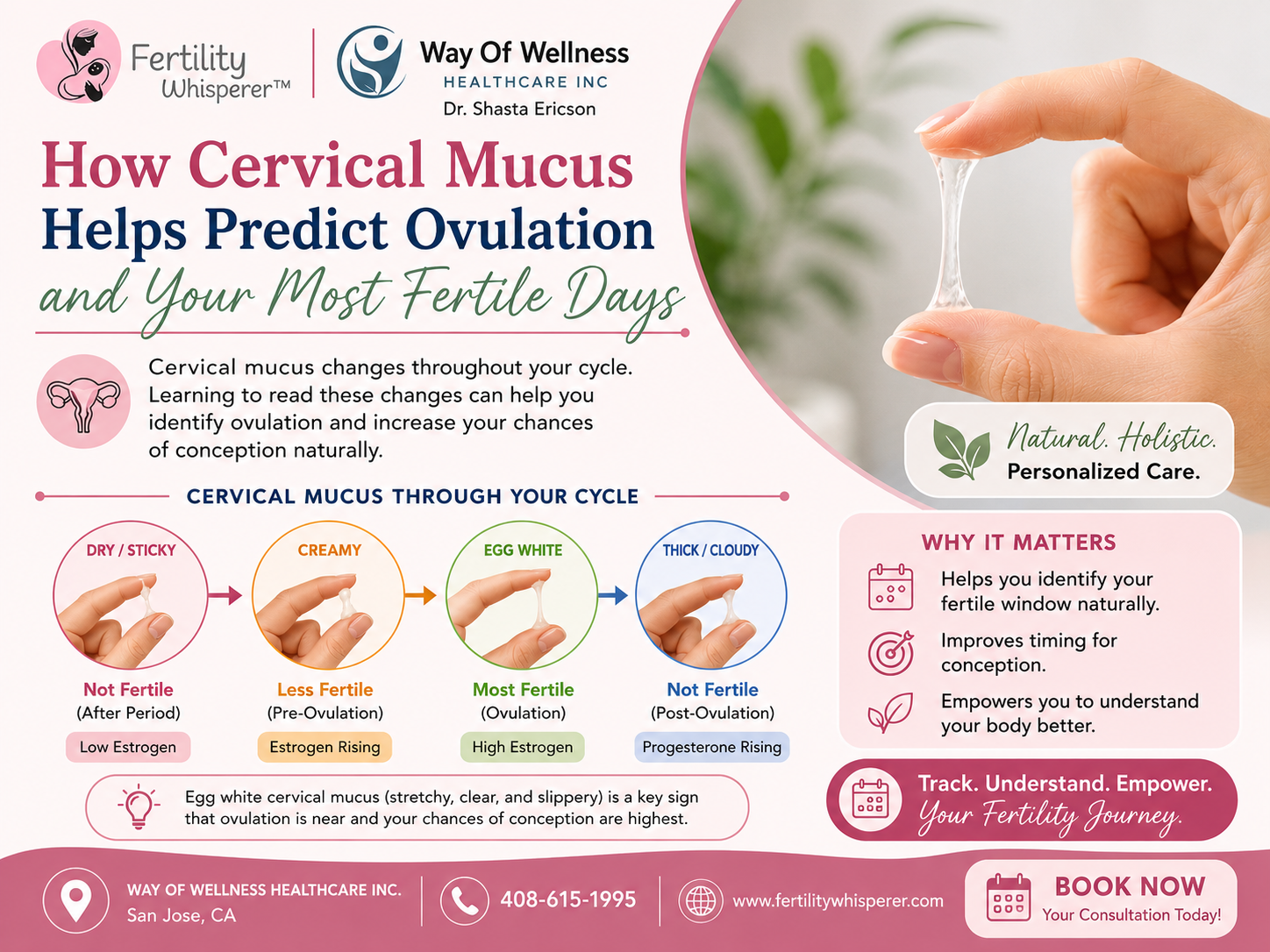
    Egg-white-like cervical mucus is among the best natural indicators of your body being on track for ovulation. The stretchable type of discharge normally occurs a couple of days before ovulation and serves to make it easier for sperms to reach the egg. Cervical mucus observation can be an important indicator of one’s fertile period, especially with advice from a fertility expert.

    What Is Cervical Mucus and Why Is It Important for Fertility?

    Cervical mucus is a secretion of glands located in the cervix that appears throughout the menstrual cycle. The consistency of the mucus depends on hormonal changes and, specifically, estrogen levels. The following description is a result of natural physiological processes.

    At the beginning of the cycle, increased estrogen production results in cervical mucus becoming slippery and more watery. This kind of mucus helps keep sperms alive in the female body and facilitates their passage to the fallopian tubes.

    If fertility days are approaching, the mucus becomes thicker or absent. This kind of mucus plays the role of a barrier and prevents the passage of sperm.

    When using natural methods of conception, this information can be helpful to determine the most suitable periods for sexual contact.

    Understanding Egg White Cervical Mucus

    Egg White Cervical Mucus (EWCM) is regarded as one of the best signs of the body that ovulation is imminent. This can be deduced from the definition, which is usually clear and slippery like raw egg white.

    The characteristics of the egg white cervical mucus are:

    • Transparent or slightly opaque
    • Slippery in nature
    • It has stretchable consistency; it stretches up to several centimeters between fingers.
    • Wet feeling near the vaginal entrance

    This type of mucus is commonly produced when estrogen levels are at their peak before ovulation. It ensures the creation of the best path for sperm to thrive.

    Patients undergoing fertility treatments who monitor their menstrual cycles report noticing egg white cervical mucus for one or more days before ovulation. But everyone’s menstrual cycle varies, so some might get this mucus for five days while others might get it for one day.

    How Long After Egg White Cervical Mucus Do You Ovulate?

    One of the frequently asked questions by couples hoping to get pregnant is: “How soon after egg white cervical mucus do you ovulate?

    Ovulation usually occurs within 24-48 hours following the peak day of egg white cervical mucus. The peak day is considered the day of the highest quality of mucus when it is very stretchable and slippery.

    It is important to remember that the presence of EWCM is the indication of impending ovulation, but not the accurate ovulation marker.

    Fertility SignWhat It Usually IndicatesTypical Timing
    Increased watery mucusEstrogen is risingSeveral days before ovulation
    Egg white cervical mucus appearsThe fertile window is beginningUsually 1–5 days before ovulation
    Peak EWCM dayHighest fertility signsOften close to ovulation
    Mucus becomes thicker or decreasesThe fertile window may be endingAfter ovulation

    For improved accuracy, many fertility specialists suggest using cervical mucus tracking in combination with other methods, such as ovulation predictor kits, basal body temperature charting, or ultrasound examinations.

    How Can You Use Cervical Mucus To Help Find Your Fertile Window?

    A fertile window is the window of time when conception is possible. Due to the ability of sperm cells to stay alive inside the woman’s reproductive tract for some time, intercourse prior to ovulation might lead to conception.

    Practical Example:

    Day 10: Cervical mucus becomes wet

    Day 12: Egg white cervical mucus appears

    Day 13: Peak day

    Day 14: Possible ovulation

    In this case, the most fertile days can be the two days before ovulation and the day of ovulation itself.

    Observing the process during several menstrual cycles will help you understand your individual pattern rather than relying on cycle calculations alone.

    Patient-Like Real Example: How To Track The Changes In Cervical Mucus Properly

    People start to track changes in cervical mucus after many months of trying to conceive without knowing their fertile period.

    For instance, a woman with the regular 28-day cycle may think that she always ovulates on day 14. After observing the cervical mucus changes, she finds out that the egg white cervical mucus appears on day 11 and disappears on day 13.

    However, at Fertility Whisperer™, fertility management revolves around the concept of understanding an individual’s unique reproductive cycle rather than adopting the one-size-fits-all method. Conducting an evaluation can reveal what is behind your conception difficulty – whether it is timing, hormones, egg quality, sperm health or any other factor.

    Egg White Cervical Mucus – Tips for Monitoring It Properly

    In case you wish to monitor your egg white cervical mucus as one of the ways of fertility awareness, these tips will come in handy to you:

    Check Consistently Daily

    Check how your mucus looks every day. Preferably, do this daily before going to the bathroom or right after washing your hands.

    Record your observations

    Use some fertility app or a calendar and record the following:

    • First day when you see watery mucus
    • When egg white cervical mucus appears
    • The day when it reaches its peak
    • What happens after suspected ovulation

    After monitoring for two to three months, it usually becomes easier to spot the pattern.

    Pay attention to the other signs of fertility

    • Cervical mucus is just one of the fertility signs, and others may include
    • Pelvic discomfort around ovulation
    • Sexual desire
    • Changes in basal body temperature post-ovulation

    4. Seek Professional Help if Necessary

    The cervical mucus test can be effective, but it cannot diagnose fertility issues. It is advisable to see a specialist when you have tried conceiving for a long time or suffer from irregular cycles, painful menstruation, and known reproductive conditions.

    Cases When Egg White Cervical Mucus May Not Be Present

    Though it is not easy to identify the egg white cervical mucus, this may not necessarily mean that you are not ovulating.

    There could be many possible cases where the absence of egg white cervical mucus could happen, such as:

    • Hormone imbalances
    • Medications
    • Breastfeeding
    • Age
    • Dehydration
    • Stress
    • Certain fertility issues

    In case there is any confusion about mucus and conception, one may seek fertility experts’ advice at fertility clinics.

    Author Bio

    Dr. Shasta Ericson, Fertility Specialist

    Dr. Shasta Ericson is a fertility specialist dedicated to helping individuals and couples understand their reproductive health and explore personalized fertility solutions. With experience in fertility evaluation and treatment planning, Dr. Ericson combines medical expertise with a patient-focused approach to provide clear guidance throughout the fertility journey. Through Fertility Whisperer™, she focuses on education, evidence-based care, and realistic fertility support tailored to each patient’s needs.

    How Do Fertility Specialists Help You Understand Your Cycles?

    Fertility specialists do not just consider individual symptoms but assess the whole fertility landscape. This could be in terms of the menstrual history, ovulation patterns, hormone tests, ultrasound results, and even things to do with the partner.

    Dr. Shasta Ericson offers specialized advice for fertility issues at Fertility Whisperer™ in fertility evaluation and reproductive health care, emphasizing the need for an evidence-based approach to treatment plans in fertility care. Dr. Ericson also makes sure that the patients are offered realistic expectations along with a compassionate approach to fertility treatments.

    Frequently Asked Questions

    1. Is egg white cervical mucus an indication of ovulation?

    The egg white cervical mucus is normally an indication that ovulation is imminent. This type of cervical mucus is common in the days before ovulation when estrogen levels are high. This type of cervical mucus does not indicate ovulation.

    2. How many days after egg white cervical mucus do you ovulate?

    Most people ovulate between 24 and 48 hours after the peak day of egg white cervical mucus.

    3. Can I conceive without egg white cervical mucus?

    Yes. There are some women who never experience cervical mucus but ovulate and conceive. There are other methods used to track fertility status and conception.

    4. When should I visit a fertility clinic?

    Visiting a fertility clinic becomes necessary when there is difficulty conceiving, irregularity in the menstrual period, and repeated miscarriages.

    5. Does more cervical mucus indicate greater fertility?

    No. The quality of the cervical mucus is important rather than the quantity. Egg white mucus is normally the best for conception.

  • What Does a Fertility Specialist Do? Treatments, Costs, and When to See One

    What Does a Fertility Specialist Do? Treatments, Costs, and When to See One

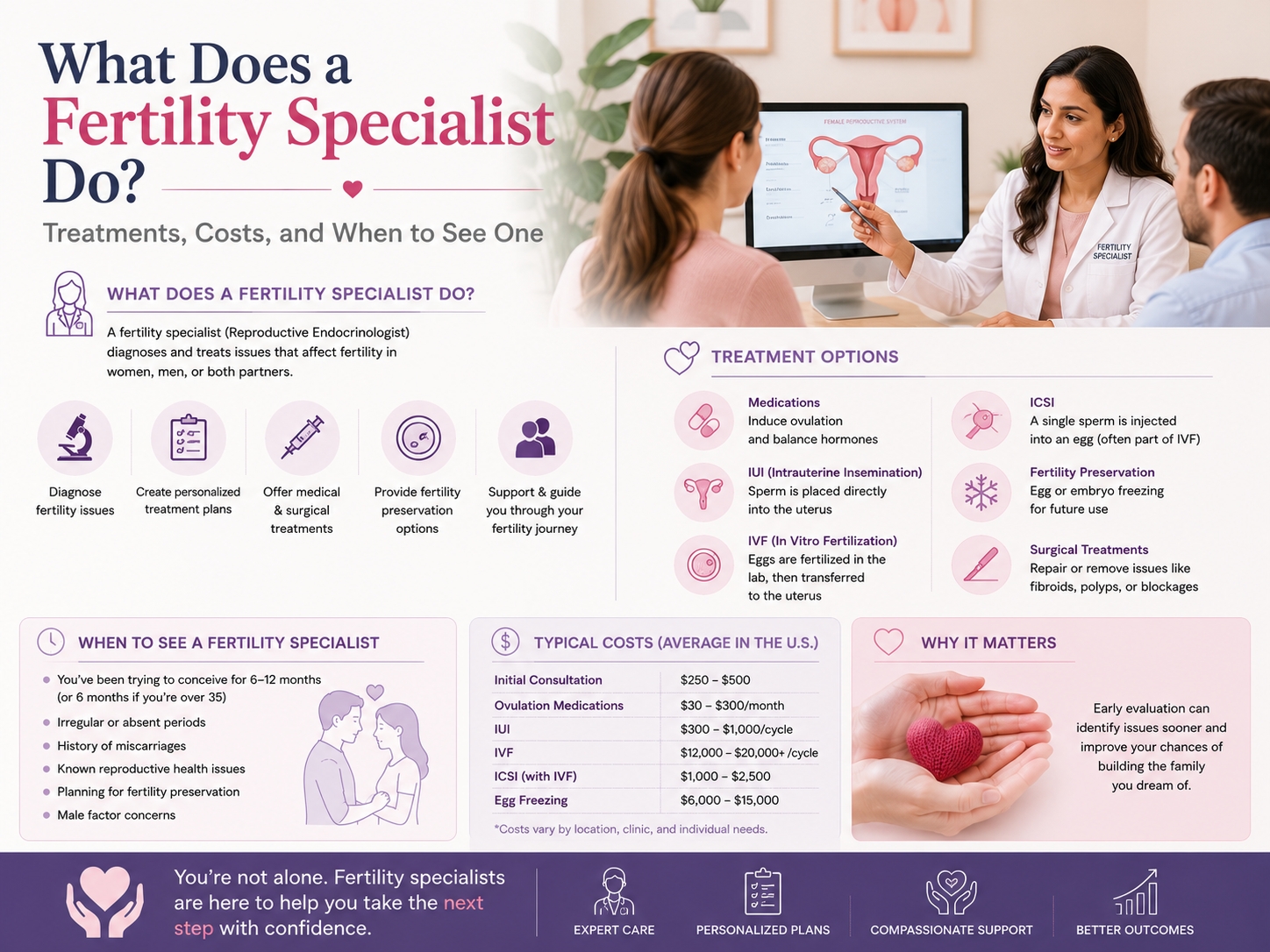
    A fertility specialist is a physician who has expertise in diagnosing and treating the disorders of the reproductive system that impact fertility and conception. They assess couples, discover the reason behind their fertility problems, and suggest individual treatments like ovarian stimulation, intrauterine insemination (IUI), in vitro fertilization (IVF) or fertility preservation. Getting an early appointment with a fertility specialist could save a lot of time for the patients.

    Often, individuals look for a “fertility specialist near me” after many months or even years of confusion and hopelessness. However, it is important to learn about the work of these specialists and what conditions might require a visit. That way, the process of fertility treatment will become easier for the patient.

    What Is a Fertility Specialist?

    The fertility doctor is alternatively referred to as a reproductive endocrinologist, which is an OB-GYN with extensive training in infertility and reproduction. The fertility specialists treat and diagnose issues related to fertility in both males and females.

    Some of the common issues that require the assistance of such specialists include:

    • PCOS and ovulatory problems
    • Endometriosis
    • Low sperm count or low sperm motility
    • Recurrent miscarriages
    • Imbalances in hormones
    • Unexplained infertility
    • Decline in fertility due to age

    Preservation of fertility before undergoing treatments

    It is an important truth that most patients do not seem to know, but infertility is not just a problem for women. Nearly 40 to 50% of the fertility issues can be attributed to male infertility.

    When Should You See a Fertility Specialist?

    Consider visiting a specialized fertility center if you:

    • Are younger than 35 and have been trying for 12 months but cannot conceive
    • Are over 35 and have tried for six months
    • Have irregular or absent periods
    • Have a history of multiple miscarriages
    • Have reproductive diseases such as PCOS or endometriosis
    • Are interested in egg freezing
    • Have a history of pelvic surgery, chemotherapy, and hormonal imbalances

    In the treatment of fertility issues through clinical practices, early assessment saves a lot of time. Most individuals assume that it is stress causing their inability to conceive, while there may be other problems involved.

    What Happens During a Fertility Evaluation?

    The first visit to the fertility specialist revolves around your medical history, reproductive history, and lifestyle habits.

    Some of the tests include:

    • Blood tests for hormone levels
    • Ovulation monitoring
    • Pelvic ultrasound
    • Ovarian reserve tests (AMH levels)
    • Sperm test
    • Fallopian tube test (HSG)

    Diagnostic tests take place over the course of one menstrual period. The specialist evaluates the findings and formulates a treatment plan tailored to your age, diagnosis, and reproductive needs.

    At Fertility Whisperer™, it is advised that patients get as many questions as possible answered during consultations regarding their treatment plans.

    Common Treatments Offered by Fertility Specialists

    But not all patients require IVF as the first option of treatment.

    Ovulation Induction

    When the female body doesn’t ovulate normally, certain drugs such as Letrozole or Clomid can help to stimulate the ovulation process.

    It is usually advised to PCOS patients and is used along with cycle monitoring and timed intercourse over several months.

    Intrauterine Insemination (IUI)

    In this method, the processed sperm is placed in the uterus of the woman during the ovulation period.

    It may be required in case of:

    • Mild male factor infertility
    • Ovulatory dysfunction
    • Cervical factors
    • Unexplained infertility

    The success rate varies based on age and diagnosis; however, many fertility centers claim an average success rate of 10-20% per cycle.

    In Vitro Fertilization (IVF)

    In IVF, eggs are retrieved and fertilized in the laboratory and then transferred to the uterus.

    A fertility doctor may suggest IVF in the following cases:

    • Blocked fallopian tubes
    • Severe male factor infertility
    • Maternal age
    • Treatment failure
    • Need for genetic testing

    An average cycle of IVF takes about 6-8 weeks. Specialist fertility makes ethical estimations of the result and doesn’t guarantee anything.

    Fertility Preservation

    Egg freezing and embryo freezing allow patients to preserve reproductive potential for the future.

    This option is increasingly common among patients delaying parenthood for personal, medical, or career-related reasons.

    How Much Does Fertility Treatment Cost?

    One of the main concerns of people trying to find a fertility doctor in San Jose or anywhere else in the US is the price factor.

    Typical cost range brackets are:

    • Consultation fee: $200-$500
    • Fertility tests: $500-$3,000
    • IUI treatment: $300-$4,000
    • IVF treatment: $12,000-$25,000+
    • Egg freezing: $6,000-$15,000

    Medical costs are typically charged separately and could heavily influence the overall treatment costs.

    A reputable fertility clinic should provide transparent information regarding the price and financial arrangements prior to starting

    How to Choose the Right Fertility Specialist

    Finding “fertility specialists near me” online may seem daunting due to all the similar services that clinics provide. Nonetheless, experience, mode of communication, and transparency make all the difference.

    Here is what you need to consider when selecting your fertility specialist:

    • Check whether they have been certified in reproductive endocrinology
    • Inquire on the clinic’s success rates and laboratory accreditation
    • Consider patient reviews
    • Understand the cost of all treatments

    Select a clinic that explains everything without pushing you into action.

    The Emotional Side of Fertility Care

    However, fertility therapy is not limited to physiological interventions, there is an emotional side too, and many patients are experiencing fear, frustration or difficulties in their relationships.

    Well experienced fertility experts are aware of that, and quite often recommend counseling, stress-reduction techniques and support groups in addition to physical therapy.

    At Fertility Whisperer™ patient education and emotional support are deemed to be very important aspects of fertility treatment.

    Author Bio

    Dr. Shasta Ericson is a reproductive health and fertility expert specializing in personalized fertility care, hormone balance, and evidence-based reproductive treatments. Through Fertility Whisperer™, Dr. Ericson helps individuals and couples better understand infertility, explore treatment options, and make informed reproductive health decisions with confidence and clarity.

    Conclusion

    A fertility specialist will help understand what is going on medically speaking in terms of infertility, and develop a customized treatment plan for you. Be it ovulation therapy, IUI, IVF or fertility preservation, early evaluation will help define and structure your further steps.

    If you have not managed to conceive or simply want to get more information about your reproductive system, consulting a specialist is the way to go.

    FAQs

    What Conditions Does a Fertility Specialist Treat?

    A fertility specialist treats infertility, hormonal imbalances, ovulation problems, male-factor infertility, recurrent pregnancy loss, and any other condition that is interfering with conception.

    How Long Will It Take to Have My Fertility Testing Done?

    Most fertility testing can be done within 2-6 weeks based on menstrual cycle timing and test requirements.

    Do I Need IVF?

    No. There are many patients who conceive without IVF using lifestyle modification, ovulation treatment, or intrauterine insemination.

    When Should I See a Fertility Specialist? 

    If you are under age 35, you should seek help if you have been trying for one year, but if you are older than 35, you may want to consider six months of trying.

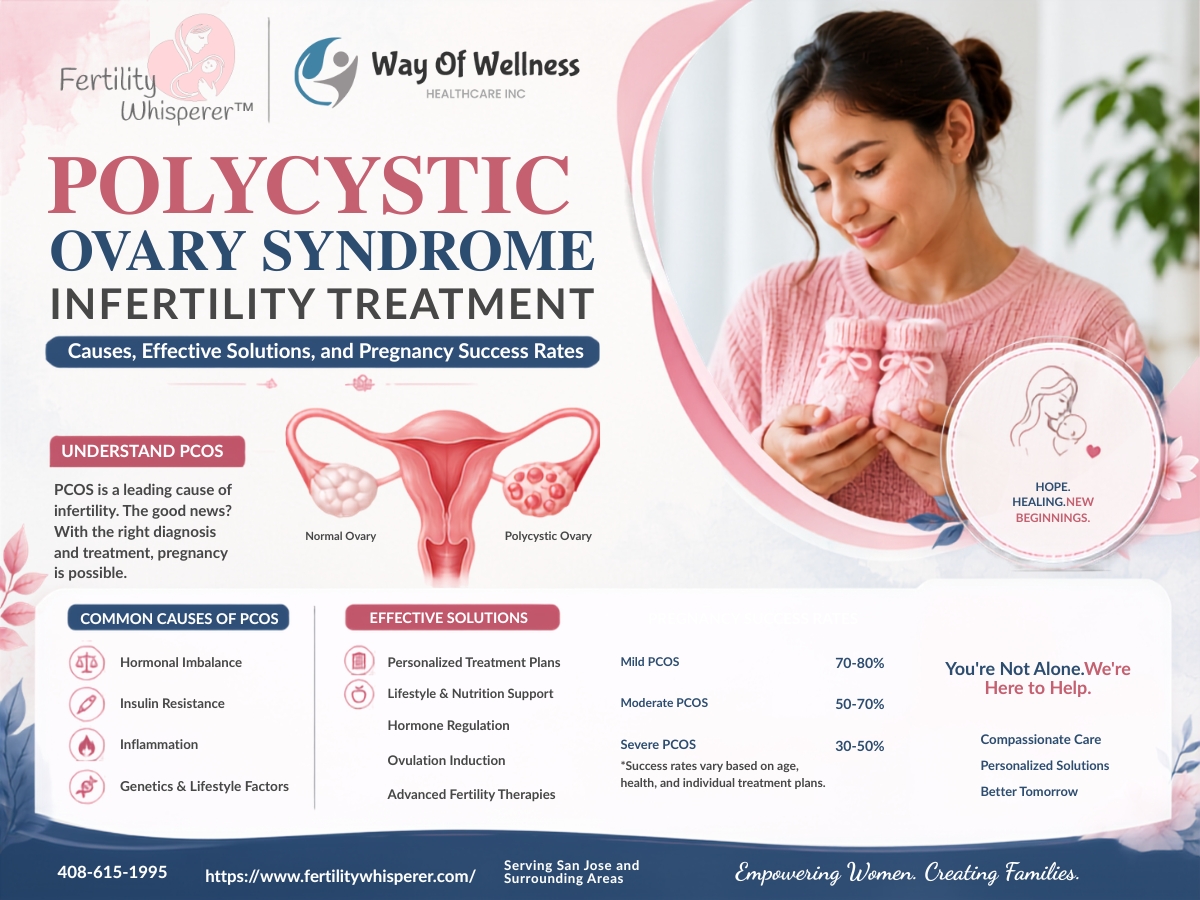
  • Polycystic Ovary Syndrome Infertility Treatment: Causes, Effective Solutions, and Pregnancy Success Rates

    Polycystic Ovary Syndrome Infertility Treatment: Causes, Effective Solutions, and Pregnancy Success Rates

    Polycystic ovary syndrome (PCOS) is one of the most common causes of female infertility but many women with PCOS can successfully conceive with the right treatment plan. A successful treatment of polycystic ovary syndrome may include lifestyle changes, medications to induce ovulation, hormone therapy, and a consultation with a fertility specialist. A timely diagnosis and pcos treatments will have a much better pregnancy success rate.

    Understanding PCOS and Fertility Challenges 

    PCOS is a hormonal disorder which impacts the proper function of the ovaries. Women suffering from PCOS tend to have multiple small cysts on their ovaries, elevated androgen levels, insulin resistance and irregular ovulation. Such hormonal imbalances may make it hard to release eggs on a regular basis, which is the best way to have the baby conceived in a natural way.

    Researchers estimate that PCOS affects around 10% of women of reproductive age, and is one of the most common causes of ovulatory infertility.

    Common symptoms include:

    • Periods that do not occur regularly or at all
    • Weight gain or loss of weight is difficult
    • Acne or oily skin
    • Excessive hair on face or body
    • Receding hairline.
    • Difficulty getting pregnant

    All women don’t have the same symptoms. Some women find out that they have PCOS when they have trouble getting pregnant.

    How PCOS Causes Infertility

    The main cause of problems with fertility caused by PCOS is ovulation. Hormones normally cause a mature egg to be released monthly throughout the menstrual cycle. PCOS disrupts this balance by altering the level of hormones.

    Patients who attend fertility clinics often have a cycle that lasts 40-90 days or they may not have a period for months. With irregular ovulation, it is hard to predict when conception will take place.

    Other fertility issues that can be linked to PCOS include:

    • Poor egg quality
    • Insulin resistance
    • Obesity-related hormonal imbalance
    • Increased miscarriage risk
    • Inflammation, a problem of reproductive health

    An assessment of the ovulation patterns, insulin activity, the levels of various hormones, and the health of the ovary is usually done by a fertility specialist before developing a treatment plan.

    Most Effective PCOS Treatments for Infertility

    The most appropriate polycystic ovary syndrome infertility treatment will depend on the age, type of symptoms, weight, the hormone profile and the duration of the patient’s infertility.

    1. Lifestyle Changes and Weight Management 

    Lifestyle changes and weight management are essential.

    Some women can get their ovulation to improve naturally with simple lifestyle changes.

    Study evidence indicates that weight loss of 5 to 10% decreases in body weight may be enough to restore normal period cycles and fertility rates in overweight women with PCOS.

    Practical recommendations include:

    • A low-glycemic, high-protein diet.
    • Limiting added sugar
    • Engaging in regular physical activity (at least 150 minutes per week)
    • Getting plenty of rest and learning to handle stress positively are extremely important.
    • Tracking ovulation consistently

    In one scenario doctors in fertility clinics see, the ovulation is enhanced within 3-6 months after reaching sustainable weight loss and insulin control.

    But, not all patients diagnosed with PCOS are overweight. Even healthy living may not be enough for lean PCOS patients to achieve medical fertility.

    2. Ovulation Induction Medications

    The medicines that stimulate the development of eggs are one of the best infertility treatments for pcos.

    Letrozole (Femara)

    These days Letrozole is regarded as the first-line fertility drug for women suffering from PCOS. It acts by stimulating ovulation, and has been linked to increased live birth rates with some of the older medications.

    Letrozole is a preferred choice of many fertility specialists because it generally yields:

    • More predictable ovulation
    • Reduce the chances of multiple pregnancy.
    • Reduce the risk of multiple pregnancy.
    • Improved pregnancy results for PCOS patients

    Ovulation typically happens between 5-10 days after the end of the medication cycle.

    Clomiphene Citrate (Clomid)

    Clomid has been used to induce ovulation for many years. Although it still works for many women with PCOS, some women with PCOS might not benefit from it enough.

    Follicle monitoring by ultrasound can be suggested to assess the growth of follicles and to minimise risks.

    3. Metformin for Insulin Resistance

    Many cases of PCOS are characterized by insulin resistance. Metformin improves the sensitivity of insulin, and can make ovulation cycles more regular.

    Metformin is especially beneficial for patients who:

    • Have high insulin levels
    • Have PCOS symptoms related to weight loss.
    • Have prediabetes
    • Don’t rely on just ovulation medication to get pregnant.

    In order to achieve better results, some fertility specialists use Metformin in combination with Letrozole.

    4. Injectable Fertility Medications

    When oral medications do not work, injections of gonadotropins may be suggested.

    Medications directly stimulate the ovaries but must be closely monitored because women with PCOS are at risk for developing an ovarian hyperstimulation syndrome (OHSS).

    With careful ultrasound monitoring, the incidence of complications and the amount of optimal egg development are reduced.

    5. Intrauterine Insemination (IUI)

    IUI can help to improve the chances of pregnancy for couples, when one partner has mild male factor infertility or unexplained infertility, and the other partner has PCOS.

    The process involves:

    • Stimulating ovulation
    • Monitoring egg growth
    • Intrauterine insemination (IUI)
    •  The sperm is introduced into the uterus at the time of ovulation.

    Failure of several medicated cycles often leads to IUI.

    6.  IVF for PCOS 

    For some people, in vitro fertilization (IVF) could be considered if other treatments have not worked or if there are other fertility issues.

    Though women with PCOS may have a strong ovarian response during IVF, this can be beneficial if managed appropriately by an expert fertility specialist.

    Numerous IVF techniques have been developed to decrease the risk of OHSS and improve embryo quality and pregnancy success.

    In IVF clinics such as Fertility Whisperer™, a personalized IVF treatment plan is particularly crucial, as PCOS patients react uniquely to hormone stimulation than the other infertility diagnoses.

    Pregnancy Success Rates with PCOS Treatment 

    With the right PCOS treatment, many women with PCOS can conceive a healthy baby.

    There are many factors that influence the rate of success, including the following:

    • Age
    • Weight
    • Hormone balance
    • Egg quality
    • Duration of infertility
    • Underlying medical conditions

    General estimates include:

    • Lifestyle changes alone: In many patients, the improvement of the ovulation occurs within 3-6 months.
    • Letrozole ovulation success: The success rate for ovulation with Letrozole is about 60%–80%.
    • The success rates for IVF procedures in younger PCOS patients: These can be similar or better than other women with infertility.

    One important thing to remember is to have realistic expectations. Patients have variable rates of conception and may need several treatment cycles.

    After fertility testing, a fertility specialist can be able to offer more personalized expectations.

    When to See a Fertility Specialist

    For many women, irregular periods are considered “normal” with PCOS and that is why they put off getting a fertility evaluation. The benefits of early intervention can be great.

    If you are concerned, you should seek the advice of a fertility specialist:

    • You are less than 35 years old and have been trying to conceive for 12 months.
    • You are over 35 and have tried for 6 months
    • When your period is very irregular.
    • You rarely ovulate
    • Have had multiple miscarriages.

    A fertility workup can consist of the following:

    • Hormone testing
    • Ultrasound imaging
    • Ovulation tracking
    • Testing of insulin and glucose.
    • Sperm examination for the man

    Correct diagnosis prevents unnecessary delays in the process and incorrect treatments.

    Practical Tips to Improve Fertility with PCOS 

    For those who are trying to conceive with PCOS, here are some tips on how to do just that.

    Medical treatment along with regular lifestyle changes may be helpful for women with PCOS infertility.

    Actionable strategies include:

    Target Blood Sugar Balance

    Replace refined sugars with complex carbohydrates like oats, lentils, vegetables or brown rice.

    Track Ovulation Properly

    Some patients with PCOS may not be reliable to use an ovulation predictor kit. Tracking the basal body temperature and using ultrasound monitoring can be more accurate.

    Avoid Crash Dieting

    When the body experiences any form of rapid weight loss, it can lead to worsening of hormone imbalance and strain the body.

    Prioritize Sleep

    A lack of quality sleep can exacerbate insulin resistance and hormone imbalance.

    Ask About Vitamin D

    Women suffering from PCOS often have low levels of Vitamin D, which could have an impact on their reproductive system.

    Be consistent with follow-ups

    Most successful pregnancies are achieved by modifying treatment over time and not in the first cycle.

    Emotional Impact of PCOS Infertility

    Dealing with PCOS infertility can be emotionally draining. Irregular periods, miscarried attempts to conceive and confusion about the up-and-down nature of pregnancy time are frustrating to many patients.

    Having the support of a fertility specialist, counselor, and support group can help in treatment.

    Once patients are more confident about what is going on and they have a clear treatment plan, they often feel more confident.

    Final Thoughts

    However, PCOS infertility is quite treatable, and many women are able to achieve pregnancies with the proper medical direction. Today, there are many options for IVF and other advanced fertility care, lifestyle changes, and medications for ovulation, as well, to help you achieve parenthood.

    The principles are personalized treatment, early diagnosis, and treatment planning. By collaborating closely with a fertility expert, you can discover the best approach to your individual health profile and reproductive objectives.

    Connect with a trusted fertility specialist at Fertility Whisperer™ to receive a personalized PCOS infertility treatment plan designed around your unique reproductive health goals.

    Author Bio

    Dr. Shasta Ericson is a fertility specialist with extensive experience in reproductive endocrinology, ovulation disorders, and personalized fertility treatment planning. She specializes in helping women with PCOS, hormonal imbalances, and complex infertility challenges achieve healthier reproductive outcomes through evidence-based care. Through her work with Fertility Whisperer™, Dr. Ericson focuses on compassionate, individualized fertility solutions that combine advanced reproductive medicine with patient-centered guidance.

    Frequently Asked Questions

    Is it possible to conceive without medication for women who suffer from PCOS?

    Yes. When women with PCOS improve their fertility through lifestyle changes or medical treatment and they conceive naturally, many women do so.

    Which fertility treatment is the best for PCOS?

    Letrozole is usually one of the best fertility drugs to induce ovulation for PCOS patients as a first-line treatment. But treatment will depend on the fertility factors which are different for each person.

    What’s the time scale for conceiving by treating PCOS?

    There are women who become pregnant after just a few months, and others who need more treatment cycles (6-12 months or more) to get pregnant.

    Are all women with PCOS infertility required to undergo IVF?

    No. Lifestyle changes, oral medication or IUI can help many women conceive before the need for IVF.

    Does losing weight help PCOS fertility?

    Even losing 5-10% of body weight can help to improve ovulation and help increase the chances of becoming pregnant in overweight people with PCOS.