For those having trouble getting pregnant, determining the best time to consult a fertility specialist largely hinges on age, length of attempts made, and fertility problems. As a general guideline, one should see a fertility specialist after 12 months of unprotected intercourse if one is under the age of 35; 6 months after if one is aged 35 years or more; or if other factors, such as medical conditions that may impede conception, are present.
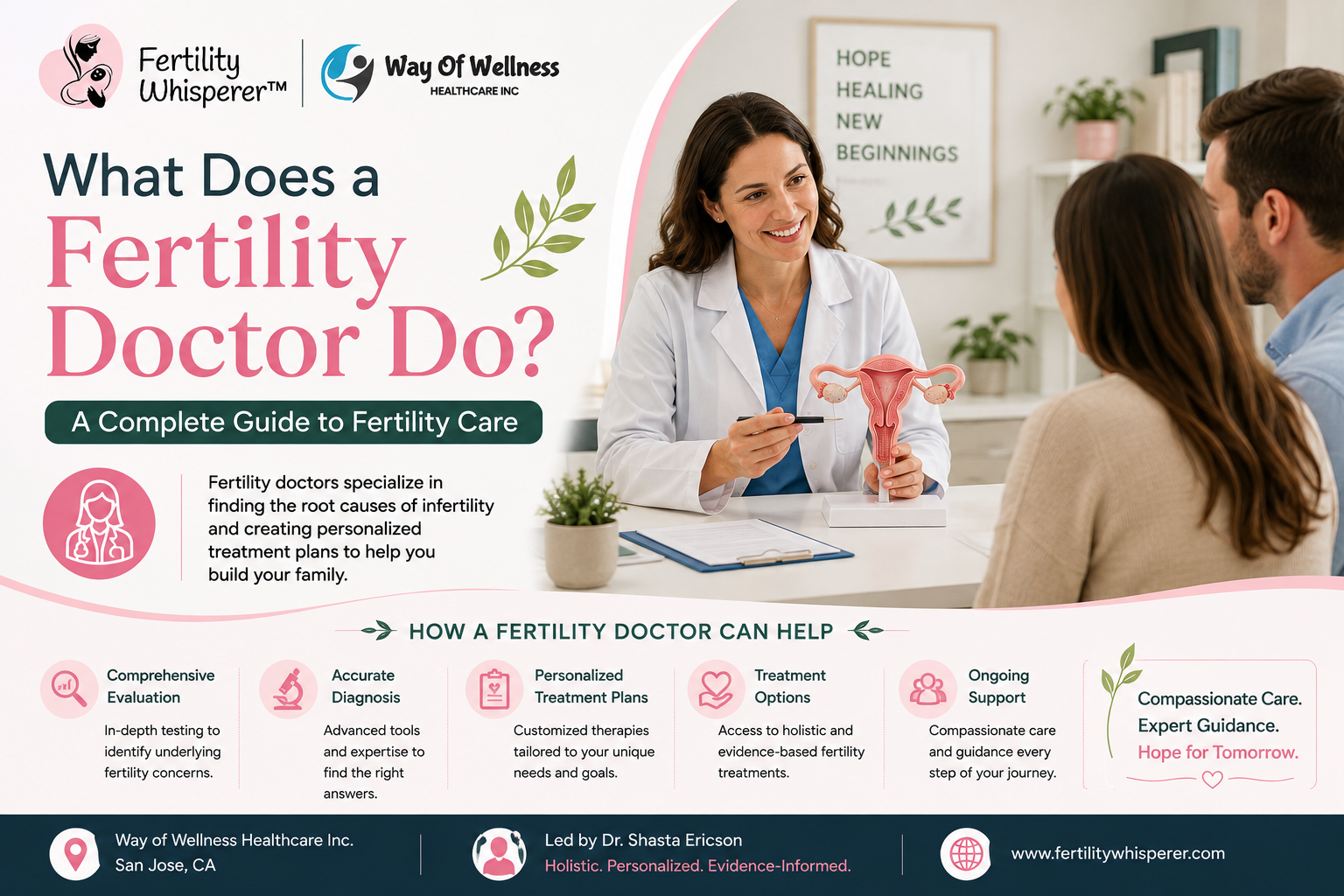
What Does a Fertility Specialist Do?
Fertility specialists identify factors that may make conception harder and recommend the way forward. Such evaluations could include menstrual cycle analysis, ovulation issues, reproductive history, history of any prior pregnancy, medication use, any possible medical conditions, pelvic issues, and male fertility status.
A fertility consultation does not necessarily mean undergoing IVF procedures as the subsequent steps would depend on the results obtained from the evaluation. The next step after an appropriate evaluation could include timing, addressing any ovulation problem or further testing and possibly referral to a fertility clinic.
An ideal fertility evaluation must cover the male partner too when need be. Issues that could lead to difficulties getting pregnant may emanate from the man’s inability to
When Should You See a Fertility Specialist?
If You Are Under 35 Years Old
If you are under 35 and having sexual intercourse on a regular basis without any protection, the general recommendation is that a fertility test is required within 12 months of failing to conceive.
It is worth remembering that there may be no need to wait up to 12 months if certain factors suggest a fertility problem. These could include extremely irregular or infrequent periods, endometriosis, previous surgery in the pelvic region, suspected tubal abnormalities, and male fertility problems.
If You Are 35 or Over
If you are over 35 years old, however, it will be advised to undergo a fertility test within a much shorter period of time. If pregnancy does not occur within six months of trying, then a fertility test should be scheduled rather than continued waiting.
For instance, if you are 37 years old and you have been trying for seven months, you do not need to wait for six more months before visiting your doctor.
Do Not Wait If You Have These Signs
The standard 6- or 12-month timelines do not apply to everyone.
Consider speaking with a fertility specialist in San Jose sooner if you have:
- Irregular, very short, very long, or absent menstrual cycles
- A history of endometriosis or suspected endometriosis
- Previous pelvic or reproductive surgery
- A known or suspected blocked fallopian tube
- Previous chemotherapy or radiation that may affect reproductive function
- Repeated pregnancy losses
- Previous fertility treatment that was unsuccessful
- A known sperm, ejaculation, or sexual-function concern in a male partner
- A medical condition or medication that may affect reproductive health
ASRM specifically recommends prompt evaluation when there is a condition already associated with infertility rather than waiting for the usual timeframe.
What Happens at the First Fertility Appointment?
A first appointment is primarily about understanding the situation rather than immediately choosing a treatment.
Expect questions about:
- How long you have been trying
- Your cycle length and regularity
- Previous pregnancies and pregnancy outcomes
- Prior contraception
- Pelvic pain or abnormal bleeding
- Previous surgeries or infections
- Medical conditions and medications
- Family history of infertility or early menopause
- The male partner’s reproductive and medical history
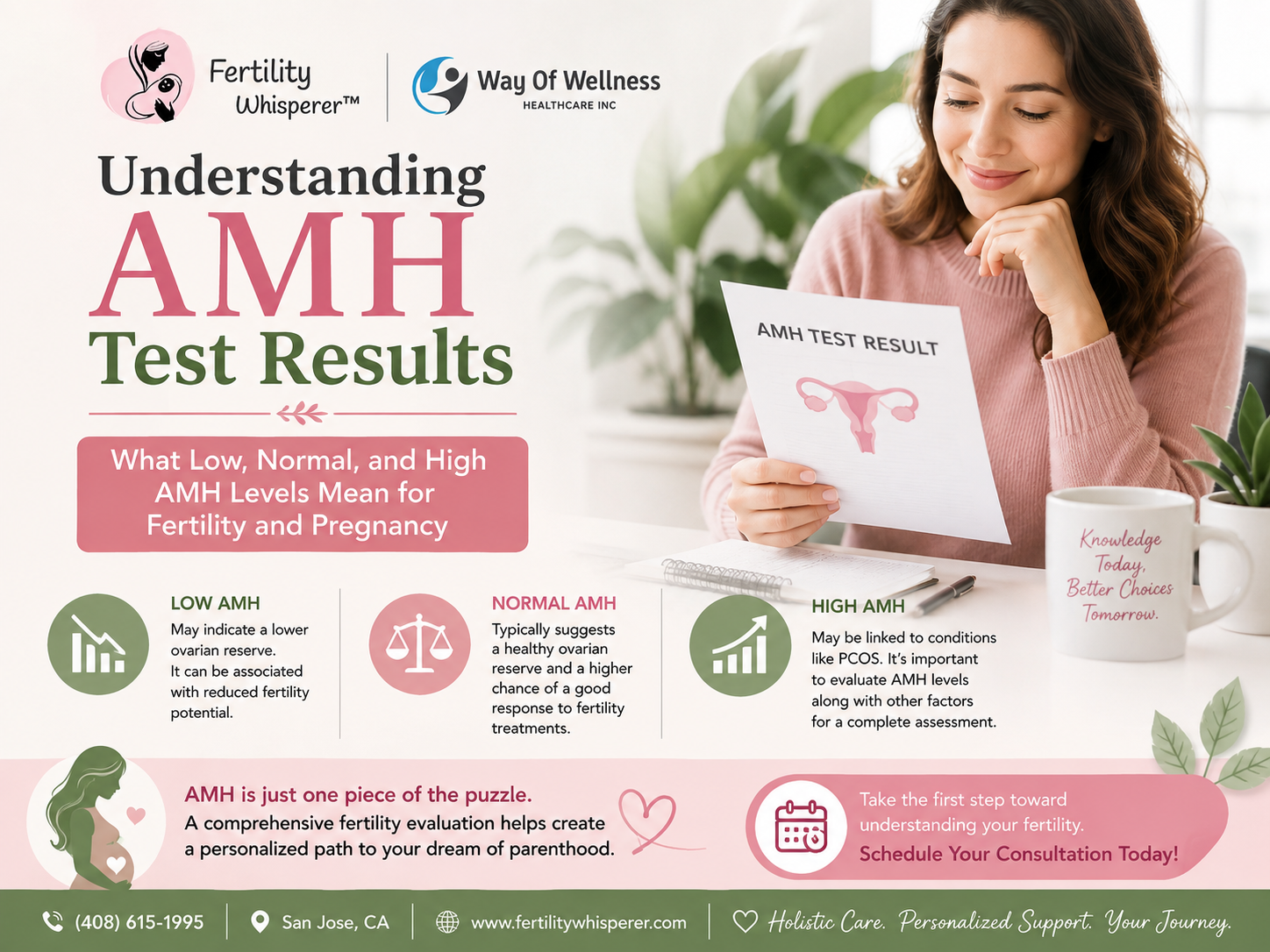
Depending on the circumstances, testing may include bloodwork, pelvic or transvaginal ultrasound, assessment of ovarian reserve when indicated, evaluation of the fallopian tubes, and semen analysis.
Importantly, not every test is appropriate for every patient. ASRM notes that several advanced tests should not be ordered routinely without a specific clinical reason. A useful evaluation is targeted to the individual’s history rather than simply ordering every available fertility test.
A Practical Example
Take the case of a 32-year-old with regular cycles lasting 29 to 31 days who has been trying for eight months. In the absence of any known risk factors for infertility, she would not have reached the standard threshold for evaluation yet.
However, let’s take the case of a 32-year-old with irregular cycles that usually last longer than 40 days. Waiting for another four months just because she is younger than 35 would be unnecessary. It could suggest an ovulatory issue which would make it advisable to go for evaluation earlier.
The next case would be that of a 38-year-old who has been trying for six months. Instead of waiting further months through ovulation tracking apps and tests at home, a visit would provide her with information on ovulation, reproductive anatomy, ovarian reserve if necessary and semen analysis of her partner.
This would explain the reasons why age and duration of trying are important criteria.
What Should You Bring to Your Appointment?
You can make the first consultation more productive by preparing a few details beforehand.
Record your menstrual cycle dates for the previous three to six months if possible. Bring a list of medications and supplements, previous fertility or pregnancy records, surgical history, and relevant laboratory or imaging reports.
Also write down questions you want answered. For example:
- Am I ovulating regularly?
- Could my cycle pattern indicate an underlying problem?
- Should my partner have a semen analysis?
- Do I need testing for my fallopian tubes?
- Which tests are actually necessary in my situation?
- What should we do if the initial tests are normal?
This information gives the specialist a clearer starting point and can reduce unnecessary repeat testing.
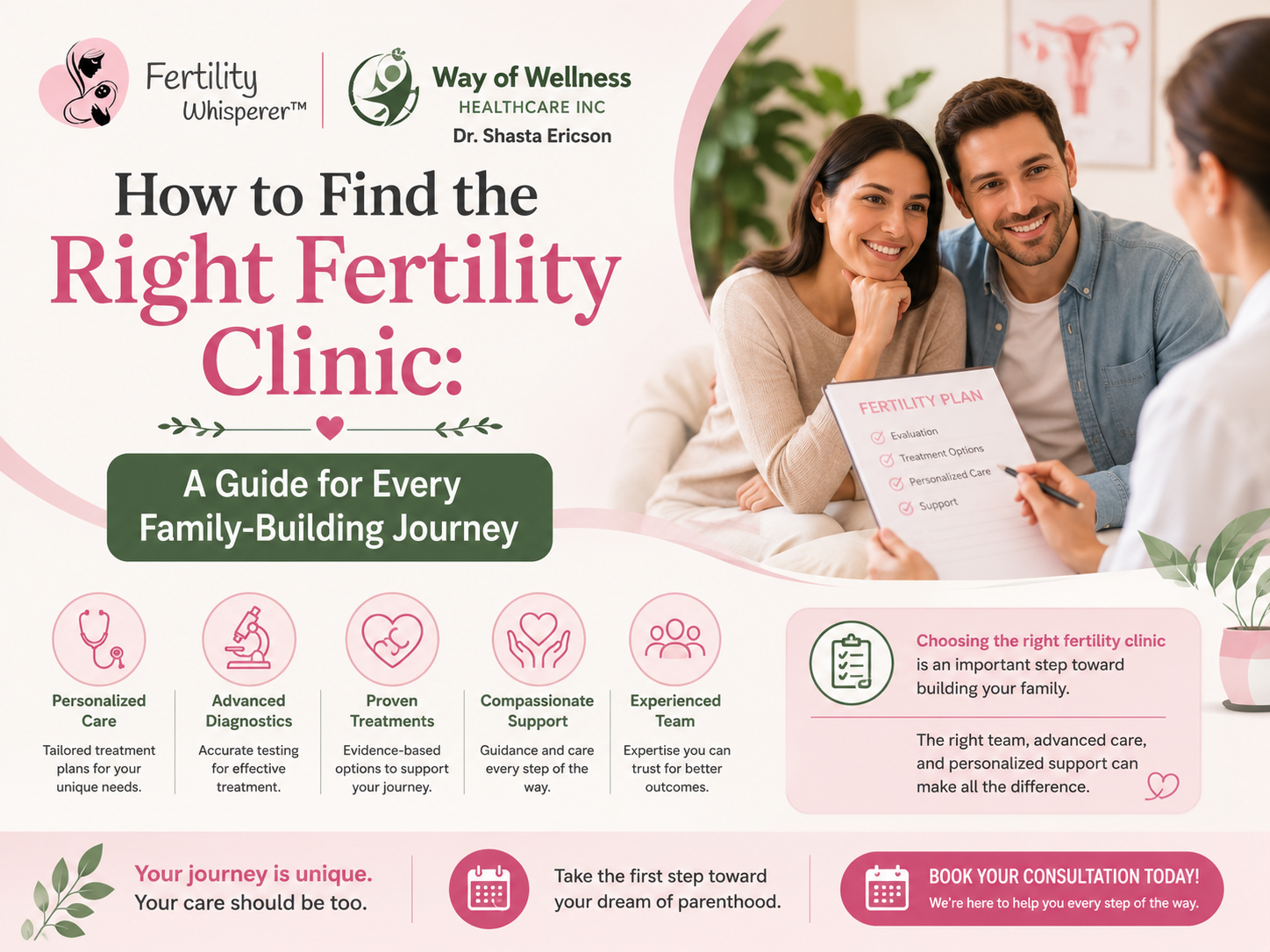
Where Does a Holistic Fertility Approach Fit?
Medical fertility evaluation and holistic support do not necessarily have to be opposing approaches. However, complementary care should not replace appropriate medical diagnosis or treatment when those are needed.
Dr. Shasta Ericson, founder of Fertility Whisperer™, is a 30-year licensed doctor of acupuncture and herbal medicine and a Certified Health and Wellness Coach. Her practice combines acupuncture and Oriental medicine with natural functional medicine, nutrition, wellness, and fertility-focused care. She has worked with patients seeking natural conception as well as those pursuing assisted reproductive therapies.
Fertility Whisperer™ describes its approach as complementary to medical fertility care, rather than a replacement for reproductive endocrinology or medically indicated fertility treatment.
That distinction matters. If diagnostic testing identifies blocked tubes, significant male-factor infertility, diminished ovarian function, or another condition requiring medical treatment, appropriate medical care should remain part of the plan.
Frequently Asked Questions
Is seeing a fertility specialist the same as starting IVF?
No. A fertility consultation is an evaluation. Depending on the findings, treatment may range from monitoring and lifestyle adjustments to medication, IUI, surgery, or assisted reproductive technology.
Should men be evaluated too?
Yes. When a couple is experiencing infertility, evaluating both partners in parallel can prevent unnecessary delays. Semen analysis is a common component of the initial evaluation.
Should I wait 12 months if my periods are irregular?
Not necessarily. Irregular or absent periods can indicate an ovulation problem, and ASRM recommends evaluation without delay when a condition associated with infertility is already suspected.
Can a fertility specialist help if I want to conceive naturally?
Yes. A fertility evaluation can identify factors affecting conception even when your goal is natural pregnancy. You can also discuss complementary approaches alongside appropriate medical care.
What is the main takeaway?
Do not focus only on a countdown of 6 or 12 months. Your age, menstrual pattern, reproductive history, medical conditions, and partner’s fertility can all change when an evaluation makes sense. Getting the right information early can help you understand your options instead of continuing to guess about what may be preventing pregnancy.