Tag: #WomensHealth

  • Female Fertility Testing Explained: Costs, Accuracy, and What to Expect Before You Start

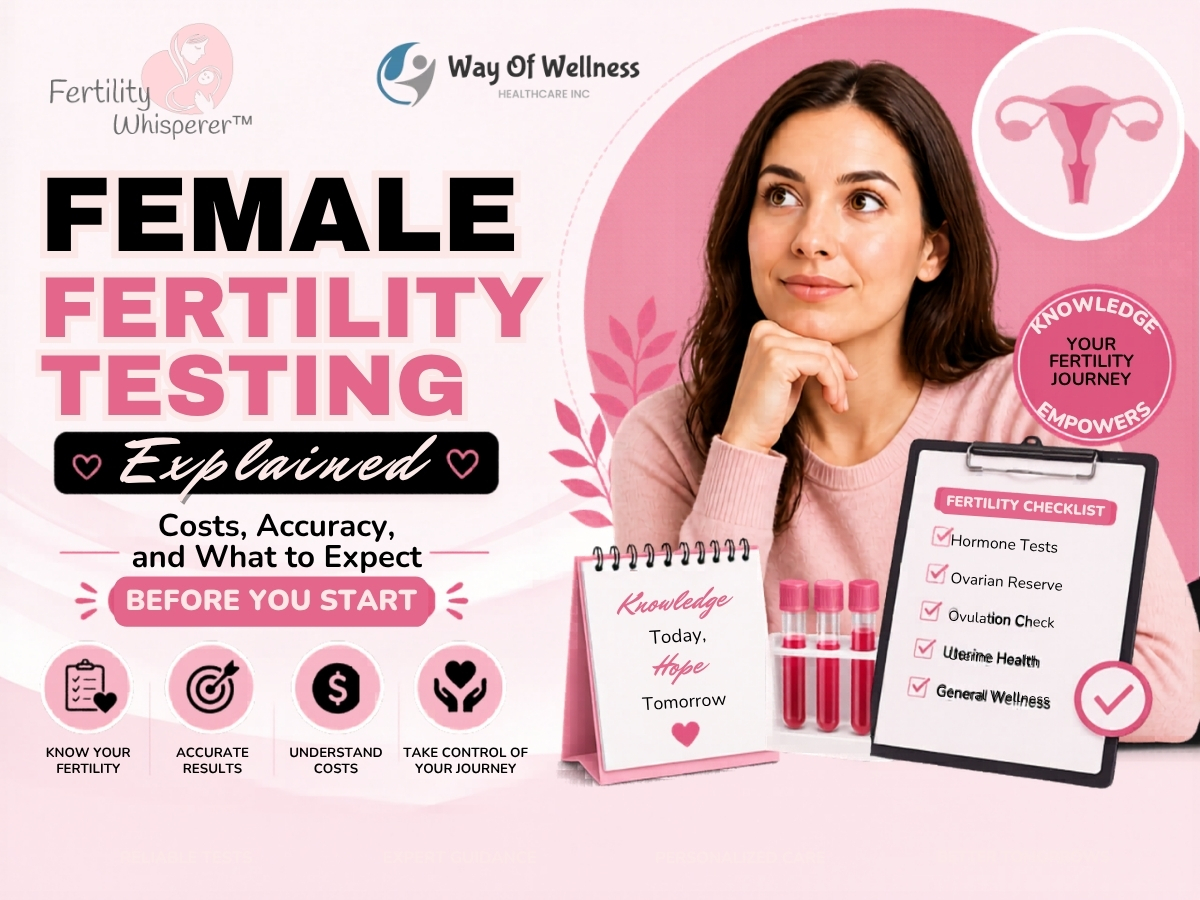
    Female Fertility Testing Explained: Costs, Accuracy, and What to Expect Before You Start

    The first thing you must consider when you plan for pregnancy involves your current fertility status. Female fertility testing in 2026 now provides simpler testing procedures which deliver more accurate results through customized testing methods. However, the entire process becomes overwhelming for individuals who lack knowledge about initial steps. Dr. Shasta Ericson and other fertility specialists believe that proper testing methods will identify almost all fertility issues during their initial stage. It helps to prevent any delays in treatment. The article provides complete information about female fertility tests which includes details about their costs, testing accuracy, and testing methods.

    What Is Female Fertility Testing?

    fertility test for women refer to a number of different tests done to check the condition of your reproductive system. This may involve determining:

    • Ovulation status
    • Egg quality and count (ovarian reserve)
    • Hormone levels
    • Health of the reproductive system structures

    Fertility doctors do not base their conclusions on any single test alone. They consider a variety of results to get an accurate picture.

    Important information: As per practice, about 70-80% of cases of infertility can be detected during the first 1-2 months, particularly in cases where both partners undergo fertility tests.

    Common Types of Fertility Testing for Women

    1. Hormonal Blood Test

    They are conducted on specific days of your menstrual cycle.

    FSH: Ovarian reserve test

    AMH: Egg quality test

    LH: Ovulation test

    Thyroid hormone: Menstrual regulation test

    Time frame: The results will be provided within 24 to 72 hours.

    2. Ovulation Prediction Methods

    Can be performed via:

    • Ovulation prediction kit
    • Basal Body Temperature
    • Blood progesterone test (day 21 of your menstrual cycle)

    Useful hint: If you have an irregular menstrual cycle, then predicting ovulation will not be enough. You will have to get tested for hormones.

    3. Ultrasound Scan

    Transvaginal Ultrasound is useful to assess:

    • The number of follicles (Antral Follicle Count)
    • Endometrial layer
    • Ovaries

    Practical example: Those women whose AFC is low (less than 5 to 7 follicles) require urgent treatment, particularly at age 35+.

    4. HSG Test (Hysterosalpingography)

    • An imaging study to evaluate whether fallopian tubes are patent.
    • A dye is introduced inside the uterine cavity
    • An X-ray follows how the fluid moves through the tubes.

    Personal experience: Discomfort may occur; however, the procedure is fast (10-15 minutes).

    5. Further Diagnostic Tests (If Required)

    • Laparoscopy (diagnosis of endometriosis)
    • Genetic evaluation
    • Endometrial biopsy

    These procedures are typically performed if preliminary results cannot provide an answer.

    Female Fertility Test Price Estimate

    Prices differ greatly depending on factors like location, clinic, and number of tests needed.

    Sample Cost Estimation (2026)

    • Blood work for hormone analysis: $50 – $300
    • Ultrasound examinations: $100 – $500
    • HSG test: $300 – $1,000
    • Fertility screening package: $800 – $2,000+ 

    Pro tip: You should know that many clinics provide bundled packages, which lower overall prices from 20% to 30%. 

    At Fertility Whisperer™, patients often start with a structured testing plan to avoid unnecessary expenses and repeated tests.

    How Accurate are Tests of Female Fertility?

    These tests are usually correct, although they do not guarantee pregnancy.

    Tests That Will Give You an Accurate Answer

    • Current levels of hormones
    • Egg supply in ovaries
    • Physical problems such as tubal blockage

    Tests That Will Not Tell You for Sure

    • Probability of conception
    • Quality of your eggs (quality decreases with age, but it is difficult to assess accurately)
    • The rate at which you will conceive

    Key fact: Some females, even with normal test results, end up having unexplained infertility. This occurs in 10-15% of cases.

    Pre-testing Considerations

    Fertility testing for women may seem daunting to you, being well-prepared will significantly ease the process.

    1. Timing Is Crucial

    Many tests require that you be tested during specific parts of your cycle:

    1. Days 2-3: Hormone test
    2. Days 12-16: Ovulatory testing
    3. Day 21: Progesterone test

    Advice: Make sure you track your cycle for at least a month prior to your test.

    2. Remember That Multiple Sessions Are Likely Required

    Check Fertility Women testing takes some time; it does not occur in one single visit.

    • First appointment
    • Blood test and scan
    • Review session

    Approximate duration: 2-4 weeks.

    3. It Is Critical to Prepare Emotionally

    Results may provide clarity, but they might also cause stress.

    Personal experience: Many individuals feel anxious when their results indicate decreased ovarian. Professional counseling is beneficial in this case.

    Tips to Consider Before Taking a Female Fertility Test

    Strategize, Don’t React

    Avoid random testing. Begin with a comprehensive approach led by a fertility expert.

    Test Both Parties at Once

    Around 40-50% of infertility instances are caused by men. Testing males late is wasteful.

    Don’t Postpone Based on Age

    If you are:

    • Below 35 years old: Test after 12 months of conception attempts
    • Above 35 years old: Test after 6 months

    Inquire about Your Options

    What impact will this test have on my schedule?

    Should I undergo treatment immediately or later?

    Can any lifestyle changes help?

    When Should You Consider Fertility Testing?

    If you should seek fertility tests for women if:

    • You have been unsuccessfully trying to get pregnant
    • You have irregular or missing periods
    • You are 35 years or older and hoping to conceive
    • You experience issues such as polycystic ovary syndrome, endometriosis, or thyroid disorders.

    The Fertility Whisperer™ Advantage

    A female fertility test is more than just the results; it is also about interpreting the results and knowing what comes next.

    The process at Fertility Whisperer™ involves:

    • Individualized testing protocols
    • Results explanations
    • Next-step strategies

    This eliminates unnecessary waiting periods for patients.

    Final Thoughts

    Female Fertile  testing is an extremely effective method, but it requires proper use. It will help you avoid any unnecessary stress if you know how it works, the cost of services, and the accuracy of tests.

    The main point of female fertile testing is not only conducting these procedures but also analyzing the obtained data.

    If you have doubts about your fertility and its testing, then the consultation of Fertility Whisperer™ will help you find out all details and proceed with further actions wisely.

    FAQs About Female Fertility Testing

    1. Is fertility testing painful?

    Tests are generally non-invasive. Blood tests and ultrasound examinations are pain-free, but HSG may cause some discomfort.

     2. Is it possible to get a fertility test done at home?

    It is possible to conduct some hormone tests at home, although they have limitations. Clinical tests are more extensive and precise.

    3. How long does the process take?

    Typically 2–4 weeks for complete evaluation, depending on your cycle.

    4. Do normal results mean I will get pregnant?

    No. Normal results indicate no obvious issues, but they don’t guarantee pregnancy.

    5. What is the most important fertility test?

    There is no single “most important” test. A combination of hormone tests, ultrasound, and ovulation tracking gives the best insight.

  • What Is IVF and How Does It Work? A Step-by-Step, Evidence-Based Guide

    What Is IVF and How Does It Work? A Step-by-Step, Evidence-Based Guide

    IVF (in vitro fertilization) is a technique in medicine whereby an egg is fertilized by sperm in a test tube and inserted into the uterus to conceive. It is among the best fertility treatments that are available in the present, particularly to those couples who have complicated reproductive problems. The IVF process is characterized by a series of well-timed procedures that include ovarian stimulation, retrieval of eggs, fertilization and transfer of embryos.

    IVF to many people and couples is a new hope after months and even years of trying to conceive. Reproductive medicine has taken a step forward and IVF treatment has become more accurate, safe, and accessible than ever. Knowing the medical and practical aspects of IVF may enable you to handle the process with assurance, clarity, and realistic thoughts.

    What Is IVF?

    IVF meaning is in vitro fertilization, where “in vitro” means “in glass.”. Simply, it is the fertilization of an egg using sperm in the laboratory rather than within the body.

    This technique is usually prescribed to:

    • Obstructed fallopian tubes.
    • Low sperm count or motility (male factor infertility)
    • Ovulation disorders
    • Unexplained infertility
    • Age-related fertility decline

    Compared to natural conception, IVF enables fertility specialists to monitor and oversee every step of the reproductive process, enhancing the probability of success.

    Why Is IVF Treatment Done?

    IVF therapy is not necessarily the initial step. Most couples attempt more basic treatments such as medication or intrauterine insemination (IUI) first. IVF is commonly suggested however, when:

    Other interventions have been unsuccessful in 6-12 months.

    • The lady is above 35 and time is of the essence.
    • Genetic issues, where embryos are to be screened.
    • There is severe male infertility.

    Practical understanding: In practice, when a patient has not been able to get pregnant in 2-3 years, they resort to IVF, which is likely to be emotionally and physically draining. IVF provides a way to go with evidence-based approaches.

    Step-by-Step IVF Process

    Learning about the IVF process can help alleviate anxiety and create realistic expectations. The average IVF cycle lasts between 4-6 weeks.

    1. Ovarian Stimulation (10–14 Days)

    You will have to inject hormones to get your ovaries to produce a series of eggs rather than the one egg that is secreted during a natural cycle.

    What to expect:

    • Homely injections daily.
    • Periodic ultrasounds and blood tests.
    • Light side effects such as bloating or mood swings

    Practical suggestion: Injections should be on a regular schedule, and to stay consistent, it is recommended to have a fixed time per day dedicated to injections.

    2. Day Procedure Egg Retrieval

    When the eggs are ready a small surgical operation is carried out to extract the eggs.

    Key details:

    • Performed in mildest trance.
    • Takes about 15–20 minutes
    • None of the significant downtimes (patients bounce back on the same day)

    Real experience signal: It is normal to retrieve 8-15 eggs on average, however, not all eggs will be alive, this is entirely normal.

    3. In Vitro Fertilization

    Sperm and the eggs collected are put together in a controlled laboratory setting.

    Two methods exist:

    • Conventional IVF
    • ICSI (Intracytoplasmic Sperm Injection)

    Outcome insight: On average, approximately 60-70 percent of mature eggs will be fertilized, based on age and sperm quality.

    4. Embryo Development (3–5 Days)

    Growing fertilized eggs (embryos) are tracked.

    Stages include:

    • Day 3: Cleavage stage
    • Day 5: Blastocyst stage

    What is important here: Not every embryo makes it to the blastocyst stage. It is not all about quantity but quality.

    5. Embryo Transfer (Simple Procedure)

    A qualified embryo is inserted into the uterus via a fine catheter.

    What to expect:

    • Painless procedure
    • No anesthesia needed
    • Takes about 10 minutes

    Hint: Following transfer, normal daily activity is usually safe, no bed rest is necessary.

    6. Pregnancy Test (Two-week Wait)

    Pregnancy is confirmed about 10-14 days after embryo transfer, by a blood test.

    Emotional reality: This wait time can be stressful. Staying busy and not over-checking symptoms is beneficial to many patients.

    Success Rates and What Affects Them

    The success rates of IVF are diverse depending on a number of factors:

    • Age: Women younger than 35 years are more successful (approximately 40-50% per cycle).
    • Quality of eggs and sperms.
    • Uterine health
    • Lifestyle (smoking, weight, stress).

    Clear expectation: IVF cannot be used to conceive in a single cycle. Most patients take 2-3 cycles to be successful.

    IVF Risks and Side Effects

    Although IVF is not as risky, one should be aware of the possible risks:

    • Ovarian Hyperstimulation Syndrome (OHSS).
    • Multiple pregnancies
    • Emotional stress

    Practical tip: Select a clinic that is focused on patient education and emotional support; not only on clinical outcomes.

    Realistic Timeline Example

    The following is a common IVF schedule:

    Week 1–2: Ovarian stimulation

    Week 3: Egg retrieval and fertilization.

    Week 4: Embryo transfer

    Week 6: Pregnancy confirmation

    Total time: Approximately 4-6 weeks each cycle.

    Practical Pre-IVF Pointers

    1. Full Fertility Checkup

    Early testing of both partners should be done to determine root causes.

    2. Optimize Your Health

    • Have a normal BMI.
    • Cut down on caffeine and alcohol.
    • Quit smoking

    3. Track Your Cycle

    Knowing your natural cycle can assist in planning.

    4. Ask the Right Questions

    • Success rates of your age group in the clinics.
    • Embryo transfer policies
    • Full cost breakdown

    5. Get ready, both emotionally and financially

    The presence of a support system can help in making the process easier.

    How Fertility Whisperer™ Helps You Navigate IVF

    At Fertility Whisperer™, a brand owned by Way of Wellness Healthcare Inc., emphasis is on merging medical knowledge with individualized treatment. Patients get customized fertility solutions, clear communications, and counseling for their body and mind during the IVF procedure.

    Conclusion

    IVF is an extremely scientific process which has helped many couples around the world to conceive and start their families. Though the whole procedure may appear very complex at first glance, it can be easily comprehended and managed when split into simple steps. If one sets realistic goals, consults a professional and receives appropriate assistance and advice, he or she can benefit from IVF much more than otherwise.

    Those who are planning to use assisted reproduction techniques like IVF should educate themselves and find out everything necessary about the procedure. In this case, they will be able to get the best possible result.

    Frequently Asked Questions (FAQs)

    How Long Does It Take to Do IVF?

    The standard duration of one IVF cycle lasts between 4-6 weeks.

    Is IVF Painful?

    All stages include slight discomfort, but the procedures are pain-free.

    What Are the Odds of Successful IVF Treatment?

    Success rate varies. But for women younger than 35 years old, it lies within 40-50%.

    How many IVF cycles does it usually take to get pregnant?

    Most people may need 1–3 IVF cycles to achieve pregnancy, depending on factors like age, embryo quality, and overall reproductive health.

  • How to Balance Hormones Naturally for Better Fertility: Evidence-Based Guide

    How to Balance Hormones Naturally for Better Fertility: Evidence-Based Guide

    The hormonal balance is a key factor in fertility and reproductive health in general. A healthy ovulation, conception and healthy pregnancy are more likely when hormones like estrogen, progesterone, insulin and thyroid hormones operate normally. Nevertheless, hormonal imbalances are very common in the current society where people have been subjected to disruptions because of issues such as chronic stress, improper diets, environmental toxins, and insomnia.

    It is imperative to know the mechanism of hormones and the effects of lifestyle on them when one is attempting conception. Rather than simply using medical treatments, a number of people are currently considering how to balance hormones naturally in the form of a long-term fertility plan. The natural methods prove to be not only supportive but also sustainable and they contribute to an overall improvement of well-being, as well as reproductive health.

    This guide is an evidence-based explanation of the process of enhancing fertility with natural means, blending theory with practical steps. 

    What is Hormonal Balance in Relation to Fertility?

    Hormonal balance is the appropriate balance and interaction of the main reproductive hormones, which include:

    • Estrogen and Progesterone are hormones that govern the menstrual cycle and aid pregnancy.
    • Ovulation is caused by Luteinizing Hormone (LH).
    • Follicle-Stimulating Hormone (FSH) helps in the development of eggs.
    • Insulin affects ovulation and ovaries.
    • Metabolism and reproductive timing are regulated by thyroid hormones.

    Direct answer: Regulated hormones promote normal ovulation, normal egg growth and adequate uterine lining to implant.

    Even minor disturbances, like stress hormones or insulin resistance, can disrupt ovulation and fertility results.

    Why Hormonal Imbalance Influences Fertility?

    The reproductive cycle is disturbed in a number of significant ways by hormonal disruptions:

    1. Irregular Ovulation

    In case of non-alignment of estrogen and progesterone, ovulation can be inconsistent or not at all.

    2. Poor Egg Quality

    Oxidative stress and hormonal changes may affect the development and maturation of eggs.

    3. Implantation Challenges

    The abnormally low levels of progesterone can cause the uterine lining to develop abnormally.

    4. Other disorders such as PCOS or Thyroid Disorders

    These disorders are highly associated with hormonal disproportion and may have a considerable impact on fertility.

    Evidence insight: Women insulin resistant (which is a common outcome in PCOS) can have as many as 40 percent reduced ovulation rates without appropriate intervention.

    The Natural Way of Balancing Hormones

    The following are the evidence-based practices that aid in nutrition and lifestyle modifications in treating natural fertility.

    1. Use a Hormone Healthy Diet

    Food is a potent source of hormones.

    What to Eat:

    Good fats like avocados, nuts, seeds and olive oil to promote hormone production.

    Foods that are high in fiber such as vegetables and whole grains to aid in shedding off excessive estrogen.

    Foods that are rich in protein to stabilize the blood sugar level.

    Egg quality-saving foods with antioxidants such as berries and greens.

    What to Limit:

    • Refined sugar
    • Processed foods
    • Trans fats

    True understanding: The people who were using Fertility Whisperer who decreased their sugar consumption saw better cycle regularity in 8 to 12 weeks.

    2. Normalize Blood sugar levels

    One of the most important hormones, which has a direct impact on fertility is insulin.

    Why it matters:

    Increased levels of insulin may interfere with ovulation and augment androgen generation.

    Practical Tips:

    • Eat a balanced meal with protein, fiber and healthy fats.
    • Avoid skipping meals
    • Eat foods with low glycemic index.

    Direct answer: Stable blood sugar maintains stable hormone levels and enhances ovulation regularity.

    3. Manage Stress Effectively

    Stress over time raises cortisol and this may inhibit the reproductive hormones.

    Symptoms Indicating Stress Is Impacting Fertility:

    • Irregular periods
    • Delayed ovulation
    • Poor sleep quality

    Natural Stress-Reduction Methods:

    • Daily 10-15 minutes of meditation.
    • Deep breathing exercises
    • Light exercise such as yoga or walking.

    Evidence insight: In some cases, up to 20 to 30 percent, stress management has been linked to better conception.

    4. Improve Sleep Quality

    Sleep plays a vital role in the balance of hormones.

    Why Sleep Matters:

    • Helps to control cortisol and melatonin.
    • Promotes hormonal cycles.
    • Improves insulin sensitivity

    Sleep Guidelines:

    • Goal: 7-8 hours at night.
    • Keep a regular sleeping routine.
    • Avoid screens before bedtime

    Direct answer: Lack of sleep may interfere with hormone cycles and have a detrimental impact on ovulation.

    5. Support Gut Health

    The health of the guts is important in the metabolism of hormones.

    The impact of Gut Health on Fertility:

    • Helps to remove the surplus estrogen.
    • Supports nutrient absorption
    • Reduces inflammation

    What Helps:

    • Probiotic foods, including yogurt and kefir.
    • Fiber found in foods such as bananas, garlic and onions (prebiotic fiber).
    • Adequate hydration

    At Fertility Whisperer, gut health can be significantly enhanced, and hormonal symptoms have also been observed to change.

    6. Have a Healthy Weight

    Hormone production is directly affected by body weight.

    Why It Matters:

    • There is an effect of body fat on estrogen levels.
    • Obesity could also be a cause of insulin resistance.
    • The ovulation can be suppressed by low body weight.

    Real example: A 5 to 10 percent reduction in weight has been found to restore ovulation in most of the people with PCOS.

    7. Take Natural Supplements when necessary

    Hormone balance can be aided by certain supplements in their proper use.

    Common Evidence-Based Options:

    • To enhance insulin sensitivity, myo-inositol.
    • Vitamin D to prevent pregnancy.
    • Omega-3 fatty acids to decrease inflammation.
    • Magnesium to aid stress and sleep.

    Critical: Supplements are never to be taken without professional advice as a course of natural fertility treatment.

    8. Minimize Exposure to Hormone Disruptors

    Hormone functioning can be influenced by the environment.

    Common Sources:

    • Plastics containing BPA
    • Chemical-based skincare products
    • Pesticides

    Simple Fixes:

    • Store in glass or stainless steel.
    • Select natural personal care products.
    • Wipe fruits and vegetables.

    Action Plan to Enhance Fertility Naturally

    An implementation plan that you can use for :

    • Begin with a healthy, whole-diet.
    • Normalize blood sugar through frequent meals.
    • Learn to manage stress on a daily basis.
    • Make sleep a priority (7-8 hours of sleep).
    • Probiotics and fiber help maintain gut health.
    • Have a good body weight.
    • Take supplements when necessary with advice.
    • Minim contact with environmental toxins.

    It is crucial to be consistent and most of the improvements can be observed after two to three menstrual periods. Thus it is important that every woman must know how to improve fertility naturally.

    Realistic Expectations: How Long Does It Take?

    It is a matter of time and continuity to balance hormones.

    • 4-6 weeks to enhance sleep and energy.
    • 8 to 12 weeks to more regular cycles.
    • 3-6 months to realize fertility changes.

    At Fertility Whisperer, long-term and sustainable development is prioritized over short-term outcomes.

    Final Thoughts

    The process of hormone balance cannot be rushed, and it will take time and consistency to accomplish it with the right attitude to your body and the need to understand its response to various aspects of lifestyle. Several systems interact with each other and affect fertility, among which are metabolism, stress response, sleep patterns, and nutrition. The combination of these areas will form a powerful base on reproductive health.

    Instead of seeking one solution, the integrated approach that involves the gradual change of daily habits is more productive. Little adjustments, like changing the quality of meals, stress management, and a regular sleep schedule, can result in significant hormonal changes in the long-term.

    At Fertility Whisperer, it focuses on advising people using evidence-based strategies, which are practical and sustainable. With the attention to long-term health rather than short-term solutions people can create a conducive atmosphere of balanced hormones naturally and fertility. Natural methods can contribute to better fertility outcomes and well-being with the appropriate approach and regularity.

    Frequently Asked Questions

    1. What is the most effective method to use Hormones to be more fertile?

    Consider nutrition, stress management, sleep, and controlling blood sugar to maintain the level of hormones.

    2. What is the best natural fertility treatment?

    Most people respond better to a combination of diet and lifestyle change and specific supplementation.

    3. Is it possible to reverse hormonal imbalance?

    In most instances, regular changes of lifestyle can greatly enhance hormonal balance in the long run.

    4. What is the natural period of time to improve fertility?

    With constant efforts, most people experience improvement in 3 to 6 months.

    5. Is there really any effect of stress on fertility?

    Yep, reproductive hormones may be disturbed by the high level of cortisol and ovulation may be disrupted.

  • How to Boost Fertility Naturally: Evidence-Based Tips for Women Trying to Conceive

    How to Boost Fertility Naturally: Evidence-Based Tips for Women Trying to Conceive

    Attempting to conceive may be frustrating, particularly when you have conflicting information on the internet. The fact of the matter is that the issue of fertility depends on the complexity of biological, lifestyle, and environmental factors. Even though not everything can be done naturally in order to resolve fertility problems, there are strong indications that some habits and interventions can largely enhance reproductive health.

    This guide includes evidence-based, practical strategies that should be used to assist women to boost fertility naturally. It concentrates on the practical aspects and scientifically substantiated findings that are applicable in real-life situations.

    An Ideal Overview of Fertility

    Fertility is the natural power to conceive. For women, it is influenced by:

    • Ovulation regularity
    • Hormonal balance
    • Egg quality
    • Uterine health
    • Lifestyle and environmental aspects.

    Healthy couples conceive in 6-12 months of trying. Nonetheless, it is possible to optimize your body before and during this period to improve fertility naturally.

    Evidence-Based Tips to Boost Fertility Naturally

    Boosting fertility naturally involves a combination of lifestyle adjustments, nutritional support, and informed health choices. The following fertility tips for women are practical, evidence-based, and designed to help you take a structured and realistic approach to enhancing fertility.

    1. Maintain a Healthy Weight

    Why it matters

    Both overweight and underweight disturb hormonal balance as well as ovulation.

    • Body Mass Index (BMI) of less than 18.5 can result in abnormal or no ovulation.
    • BMI of 25-30 is linked with such diseases as insulin resistance and PCOS.

    Practical insight

    Clinical experience showed that women who had lost weight (by 5-10 percent, in case overweight) showed improvements in menstrual regularity in 3-6 months.

    What to do

    • Pay attention to moderate weight loss.
    • Avoid crash diets
    • Eat balanced nutrition and exercise.
    1. Make Fertility-Friendly Diet a Priority

    What research suggests

    Dietary supplementation with nutrients facilitates the production of hormones, egg quality, and reproductive health in general.

    Key dietary principles

    • Whole foods: whole grains, vegetables, fruits.
    • Good oils: nuts, seeds, olive oil.
    • Lean Protein: Eggs, legumes, and fish 
    • Low glycemic index food: assists in the regulation of insulin.

    Fertility-associated nutrients

    Folate: helps to promote ovulation and early pregnancy.

    Iron: linked with decreased ovulatory infertility.

    Omega-3 fatty acids: promote hormonal balance.

    Real tip

    After a few months, women who adhere to a consistent Mediterranean-style are said to have made regularities in their cycles and are also observed to have a large amount of energy.

    1. Track Ovulation Accurately

    Why it matters

    Timed intercourse in relation to ovulation has a great probability of conception.

    • Methods to track ovulation
    • Basal Body Temperature (BBT)
    • Ovulation predictor kits (LH flare imaging)
    • Cervical mucus observation

    Practical recommendation

    Have sex 1-2 days in the fertile window (usually 4-5 days before ovulation and ovulation day).

    1. Manage Stress Effectively

    The fertility-stress relationship

    The hypothalamic-pituitary-ovarian (HPO) axis may be impaired by chronic stress and this interferes with ovulation.

    Evidence-based observation

    Women with elevated stress levels usually have slow ovulation or erratic cycles.

    What helps

    • Mindfulness or meditation (10-15 minutes a day)
    • Light physical activity or yoga.
    • Journaling or counseling

    Real-world note

    Even the slightest changes in the degree of stress can have beneficial effects on cycle regularity: better sleep or a decrease in work pressure.

    1. Improve Sleep Quality

    Why sleep matters

    Sleep controls major reproductive hormones such as melatonin and cortisol.

    Recommendations

    • I intend to have 7-8 hours of regular sleep.
    • Always have a routine sleep pattern.
    • No screens at night.

    Insight

    Other studies have found poor sleep patterns to be associated with poor egg quality and irregular ovulation.

    1. Limit Caffeine and Alcohol

    What the evidence shows

    • Excessive caffeine (>300mg/day) can harm fertility.
    • Too much alcohol will interfere with hormones.

    Safe limits

    Caffeine: 1-2 cups of coffee a day.

    Alcohol:Limit or avoid when actively trying to conceive.

    1. Keep Fit (But Do Not Overtrain)

    Benefits of exercise

    • Enhances insulin sensitivity.
    • Supports hormonal balance
    • Reduces stress

    Balance is key

    • The best exercise is moderate (30 minutes, 4-5 times per week).
    • Ovulation may be inhibited by excessive intense training.
    1. Treat Pre-existing Health Problems

    Widespread disorders affecting fertility.

    • Poly Cystic Ovary Syndrome (PCOS)
    • Thyroid disorders
    • Endometriosis

    Practical advice

    In case of irregular cycles or even when symptoms do not vanish, consult early. Diagnosis is necessary and natural methods can assist.

    Take Evidence-Based Supplements into Account

    Recommended supplements

    • Folic acid (400-800 mcg daily)
    • Vitamin D (if deficient)
    • CoQ10 (can enhance the quality of eggs, particularly with age over 30)
    • Inositol (commonly used in the treatment of PCOS)

    Important note

    It is advisable to always consult a healthcare provider on the use of supplements, as they can be used in the right doses and suitability.

    Minimise Environmental Toxins

    Why this matters

    Hormone functioning can be disrupted by exposure to endocrine-disrupting chemicals (EDCs).

    Practical steps

    • Use glass or stainless steel in lieu of plastic.
    • Use products that are not containing BPA.
    • Select toxicity personal care products that are natural or low-toxicity products.

    A Practical, Step-by-Step Approach

    When you want to know how to increase fertility, begin with:

    • Monitor your menstrual period for 2-3 months.
    • Enhance hydration and quality of diet.
    • The introduction of moderate exercise.
    • Maximize sleep, decrease stress.
    • Include specific supplements (as necessary)
    • Fertile window intercourse.

    Time consistency is better than expediency.

    When to Seek Professional Help

    Natural things will work effectively with many women and medical advice is essential when:

    • Under 35 and trying to conceive for 12 months without success
    • Over 35 and trying to conceive for 6 months without success
    • Experiencing irregular or absent menstrual cycles
    • Diagnosed with known reproductive health conditions

    How Fertility Whisperer Can Help You

    The mission at Fertility Whisperer is to provide a mixture of evidence-based advice and personalized care.Rather than offering generic advice, the strategy focuses on:

    • Mastering your own cycle and health profile.
    • Giving simple realistic fertility advice to women.
    • Assisting natural and medically assisted fertility travel.

    The objective is not only to boost fertility in a natural way, however, to ensure that you make informed and confident choices during the process.

    FAQs

    Is it possible to enhance fertility without medical interventions?

    Yes, lifestyle change in terms of diet, stress and monitoring of the cycle can help many women to be more fertile. Nevertheless, the outcomes are different based on underlying health conditions.

    How many days take to achieve results?

    Majority of the lifestyle modifications are noticeable in 2-3 menstrual cycles though this may differ.

    Do natural fertility treatment help in PCOS?

    They might be beneficial, particularly diets and supplements such as inositol, although these should be done under the guidance of a doctor.

    Is there an age influence on natural fertility improvement?

    Yes. Although a healthy lifestyle is beneficial to fertility at any age, the egg quality deteriorates naturally with age, particularly beyond 35.

    What is the greatest fertility advice?

    One of the most direct and effective measures is the ability to track ovulation and have intercourse at the right time.