Tag: #PCOSFertility

  • PCOS and Fertility Drugs: How They Improve Ovulation and Pregnancy Chances

    PCOS and Fertility Drugs: How They Improve Ovulation and Pregnancy Chances

    Polycystic ovary syndrome (PCOS) is a condition that leads to infertility in women at their reproductive ages. However, even though some women with PCOS think that conceiving a child will be hard or almost impossible for them, recent advancements in medicine have made conception more probable. Often, thanks to the use of fertility medicines, a woman’s body starts to ovulate properly.

    Learning about the effects of pcos and fertility drugs  may be of great benefit to the patient.

    Understanding the Link Between PCOS and Fertility

    PCOS is a hormone-based disorder that interferes with normal ovarian function. It’s characterized by irregular or no menstruation, high androgen levels, insulin resistance, and ovarian cysts. One of the most significant fertility issues related to PCOS is abnormal or nonexistent ovulation.

    When ovulation isn’t occurring regularly, it is more challenging to establish fertile days and conceive.

    Some of the symptoms of PCOS include:

    • Irregular or no periods
    • Weight gain and inability to lose weight
    • Acne and excessive body hair growth
    • Thinning of hair on the scalp
    • Inability to conceive

    Not all the symptoms apply to all the women suffering from PCOS. Some women have irregular ovulation, and some might not ovulate at all for months.

    Many patients visiting Fertility Whisperer™ have been trying to conceive naturally for 6-12 months and require specialist assistance. The initial step is usually to determine whether ovulation occurs.

    How Fertility Drugs Help Women With PCOS

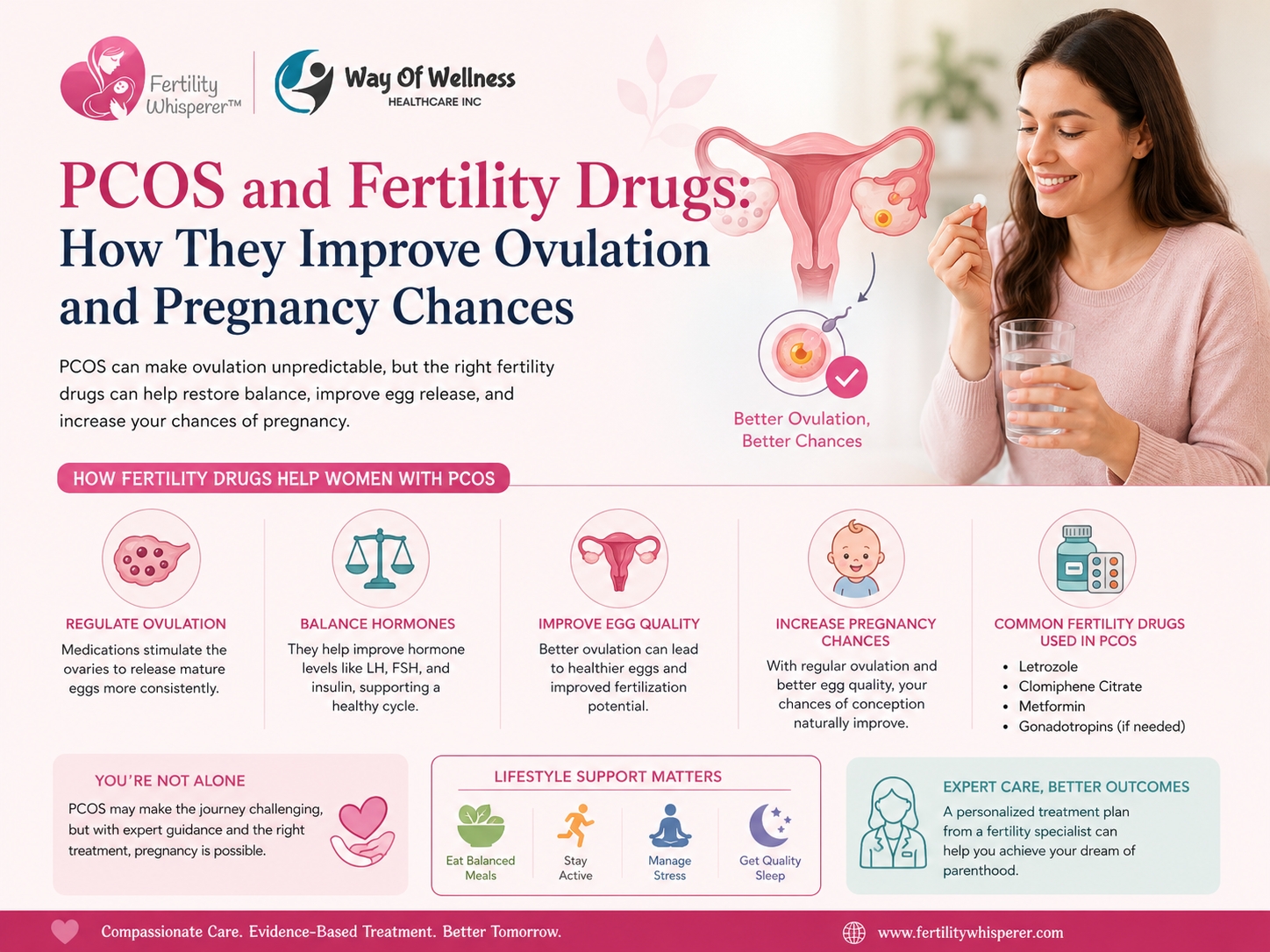
    Fertility drugs refer to the use of medication aimed at helping women conceive by inducing ovulation or balancing hormones. In view of the fact that PCOS often disrupts normal ovulation, the drug will be used to help your ovaries develop and ovulate healthy eggs.

    Fertility drugs are often part of a larger plan that includes:

    • Diet modifications
    • Weight loss
    • Control of blood sugar levels
    • Ovulation monitoring
    • Hormone testing

    It is not just about inducing ovulation; it is also about improving ovulation over time.

    Common Fertility Drugs Used for PCOS

    1. Letrozole (Femara)

    Letrozole is currently used as one of the first-line fertility drugs in cases of infertility associated with PCOS.

    This drug was initially developed to treat breast cancer, but it operates through reduction of the estrogen level in the body, thereby causing the brain to produce hormones that cause ovulation.

    Some reasons why many fertility doctors favor letrozole are:

    • Ovulation rate is often higher among PCOS patients
    • Pregnancy rates may be higher compared to older drugs
    • Low chances of multiple pregnancies compared to other drugs
    • In a usual regimen, one takes the medicine for 5 days in the beginning of the menstrual cycle, after which ultrasound monitoring or ovulation tracking is done.

    Clinically, most women start ovulating within 1-3 cycles. Some women conceive immediately while others need to adjust doses or combine with other drugs.

    2. Clomiphene Citrate (Clomid)

    For decades now, clomiphene citrate has been administered in cases where women have ovulatory problems. This treatment stimulates hormones that ensure the production and maturation of eggs.

    Although this treatment method works well for most people, there are some cases of polycystic ovary syndrome where women may not react effectively to clomiphene.

    Challenges might be:

    • The thinness of uterine lining for some patients
    • An increased chance of multiple ovulation
    • Resistant women with extremely high insulin resistance


    This treatment is still significant even with such risks, especially if it is used alongside other medications or changes in the lifestyle of women.

    3. Metformin

    Metformin is widely administered among women with PCOS to increase their insulin sensitivity.

    Due to the impact of insulin on the hormonal balance, its regulation could naturally lead to regular ovulation.

    Cases in which this drug may be administered include:

    • Insulin levels are high
    • Pre-diabetic women
    • Women with metabolic challenges due to weight
    • Resistance to clomiphene

    Women see results after 2-3 months of administering the medication.

    4. Gonadotropin Injections

    If oral medications do not work, then fertility drugs via injections might be prescribed.

    The medications affect ovaries directly and work very well, although close monitoring is needed, since women who have PCOS react quite strongly.

    Close monitoring involves:

    • Ultrasounds
    • Blood tests to check on hormones
    • Advice on when to have intercourse or artificial insemination

    Due to the higher risk of OHSS, specialized monitoring by fertility specialists becomes critical for the injections.

    Realistic Pregnancy Chances With PCOS Treatment

    One of the most crucial pieces of information that a patient would like to know is “What are my chances of conceiving?”

    These depend on a number of issues such as:

    • Age
    • Weight/metabolic health
    • Degree of PCOS symptoms
    • Quality of eggs
    • Partner’s fertility characteristics
    • Reactions to drugs

    A number of women with PCOS are capable of conceiving successfully using fertility drugs only. 

    However, some of them will need further assistance like intrauterine insemination or IVF.

    In practice, in fertility medicine the frequency of ovulation using letrozole can reach 70% or even more in appropriate patients. The conception can take several cycles despite the improvement of ovulation.

    For instance, a 29-year-old woman with irregular menstrual cycle and insulin resistance will start to ovulate after two months of letrozole therapy and conceive after six months. Or another patient with severe PCOS and obesity will need more time to achieve the same results.

    Lifestyle Changes That Improve Fertility Drug Success

    A combination of fertility drug treatment and healthy living is what works well.

    Even small changes in one’s health level have the ability to impact the ovulation process and hormones.

    Pay Attention to Stable Blood Sugar Levels

    When it comes to women with PCOS, it will be beneficial for them to lower their consumption of processed sugars and carbohydrates.

    Some good options that can help you in your goal include the following:

    • Incorporating more protein in your diet
    • Consume high-fiber carbohydrates
    • Maintaining a balanced diet schedule
    • Avoiding too many soft drinks
    • Moderate Weight Loss May Work Well

    According to some research, a loss of just 5–10% body weight in overweight women can enhance ovulation.

    Exercise Consistently

    Activity, in the form of walking, strength training, or cycling, could lead to better insulin and hormonal responses.

    Patients who keep up their exercise schedule will notice that their cycles become regular after a few months.

    Track Ovulation Correctly

    Women suffering from PCOS may experience problems with ovulation predictor kits due to unpredictable hormonal changes.

    Working with a specialist fertility provider in terms of ultrasounds or hormonal tests may prove to be more helpful.

    When to See a Fertility Specialist

    Some women are able to conceive naturally while others require a fertility evaluation earlier.

    Here are some situations in which you may want to consider a fertility evaluation:

    • Under age 35 and unable to conceive in one year
    • Over age 35 and unable to conceive within six months
    • Having very irregular periods
    • Not ovulating normally
    • Have had previous miscarriages
    • Other fertility factors such as endometriosis or male factor infertility

    Intervention at an early stage will eliminate potential time waste and help to pinpoint the best course of action.

    The majority of the patients at Fertility Whisperer™ find it reassuring to know what to do rather than guessing each month.

    The Emotional Side of PCOS Fertility Treatment

    The journey to conception can be emotionally draining.

    Frustration may arise due to irregular cycles, uncertainty, and/or unsuccessful treatments. It is crucial to understand that fertility treatment involves patience.

    Sometimes the ovulation will normalize before the woman gets pregnant. Sometimes the doses of medication need to be adjusted. And some cycles may not work as planned.

    Being realistic and having medical support can ease the process.

    Support groups, counseling, stress reduction techniques, and open communication with your partner may help as well.

    Final Thoughts

    Polycystic ovary syndrome is linked to issues with fertility, yet there are solutions for this condition. The use of fertility pills may be helpful in stimulating ovulation and balancing hormones in such women.

    It is all about the personal approach, which involves finding the right drug and appropriate lifestyle advice. In case of difficulties with ovulation or infertility, consulting a fertility expert will bring some clarity to the situation.

    Proceed further along your journey into parenthood with assistance and advice from the reliable Fertility Whisperer™ and personalized fertility specialist consultations.

    Author Bio

    Dr. Shasta Ericson is a fertility specialist with extensive experience helping women navigate PCOS and reproductive health challenges. She specializes in ovulation disorders, hormone balance, and personalized fertility treatment strategies. Through Fertility Whisperer™, Dr. Ericson provides evidence-based guidance designed to help patients better understand their fertility options with clarity, compassion, and realistic expectations.

    Frequently Asked Questions

    Is it possible for women with PCOS to conceive without treatment?

    Yes, but many women with PCOS need treatment for conception, including fertility drugs or other interventions.

    Which fertility medication is more effective for women with PCOS?

    Letrozole is a medication used to stimulate ovulation and considered one of the most effective fertility drugs in cases of PCOS. There are no universal recommendations and an individual approach is needed.

    How long does it take to conceive after treatment for PCOS?

    Depending on personal circumstances, some women conceive in a couple of months, while others need several months of treatments to be pregnant.

    Is it safe to use fertility medications for PCOS?

    The safety of the use of fertility drugs depends on many factors and should be determined by specialists.

    Can losing weight help conceive if I have PCOS?

    If a woman is overweight, her conception can become easier after weight loss.

  • PCOS and Fertility Treatment: How PCOS Affects Fertility, Treatment Options, and Pregnancy Success

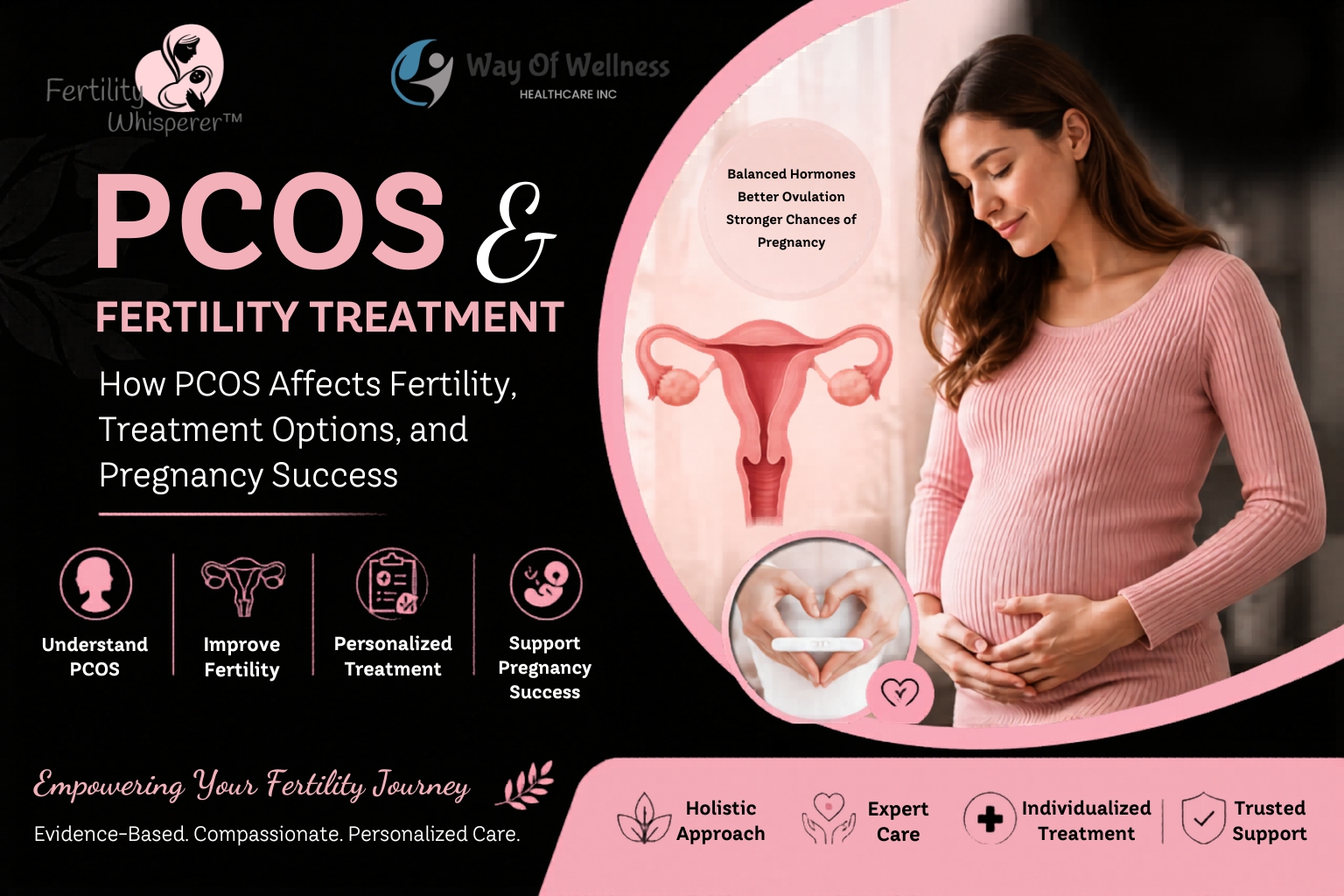
    PCOS and Fertility Treatment: How PCOS Affects Fertility, Treatment Options, and Pregnancy Success

    Women diagnosed with PCOS can conceive, and indeed, there are numerous success stories. Even though PCOS affects ovulation and thus makes conception more challenging, there are various ways in which fertility can be addressed successfully through medications, lifestyle changes, and other fertility interventions.

    Polycystic Ovary Syndrome (PCOS) is a leading cause of female infertility. This condition not only disrupts the body’s hormones but also ovulation and reproductive functioning as well. As a result, the presence of PCOS in women who desire to conceive can be quite discouraging.

    The good thing is that polycystic ovary syndrome infertility treatment is available. When handled correctly, PCOS does not have to hinder the process of conception and successful pregnancy.

    This manual offers information on the link between PCOS and infertility, methods used to treat this condition, and improve fertility, among other things.

    Understanding PCOS and Fertility 

    PCOS is a hormonal disorder that affects the functioning of the ovaries. The common symptoms of PCOS include high levels of male hormones (androgens), menstrual irregularities, and the presence of many small follicles in the ovaries.

    In terms of fertility issues caused by PCOS, the biggest one is the absence of or irregular ovulation.

    Ovulation plays a crucial role in releasing the egg from the ovaries for fertilization. Therefore, when ovulation does not occur, conceiving becomes more challenging.

    But just because a woman has PCOS, she cannot get pregnant.

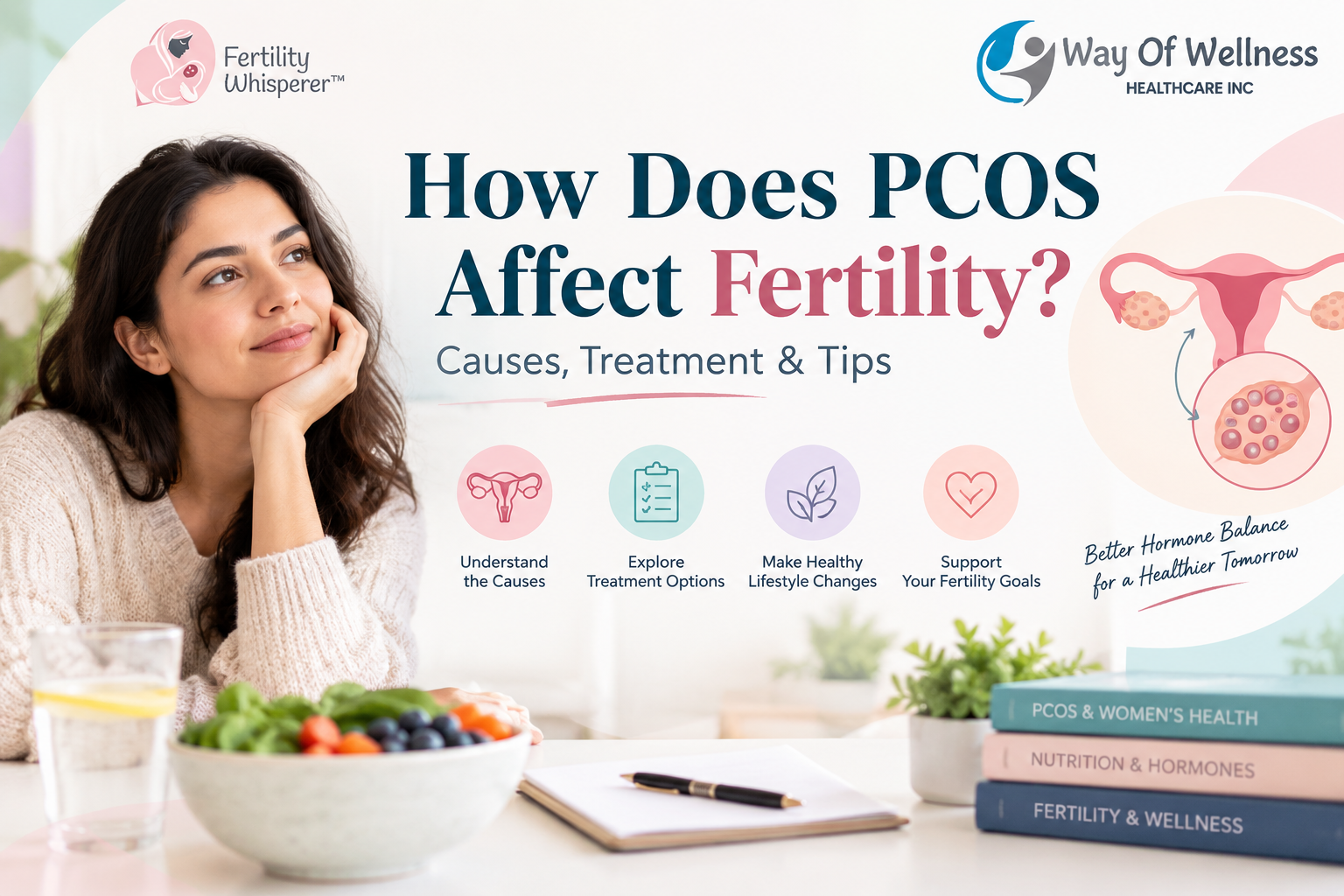
    How Does PCOS Affect Your Fertility?

    It is crucial to understand why conception is hard if you suffer from PCOS.

    Irregular Ovulation

    Not all women with PCOS experience regular ovulation, and therefore, conception opportunities are limited.

    Hormonal Disbalance

    Women suffering from PCOS have increased levels of male hormones, which can cause a disturbance in the functioning of the ovaries.

    Insulin Resistance

    This problem affects a great number of women who have PCOS. It is connected with hormonal imbalance and other consequences.

    Egg Maturation Issues

    Although women with PCOS often have numerous ovarian follicles, those follicles may not mature properly, preventing the release of a healthy egg.

    These factors explain why many patients seek polycystic ovary syndrome infertility treatment after months or years of unsuccessful attempts to conceive.

    Real Experience: A Common PCOS Fertility Journey

    A typical case fertility experts encounter is when women have cycles every two to four months and have attempted to conceive for more than a year.

    If a fertility evaluation is performed, likely, the problem isn’t that a woman is unable to conceive, but that her ovulation is irregular.

    Many times, the initial step in treatment involves lifestyle changes and ovulation induction drugs. Some women will become pregnant after a few months, and other women might need more fertility treatments.

    This is a crucial factor to keep in mind: fertility problems associated with PCOS can be very personal. Some women may find that this works for them while others may not based on their age, hormone levels, weight, insulin sensitivity and overall reproductive health.

    Polycystic Ovary Syndrome Fertility Treatment

    There are a number of treatment options available that can help with fertility for women with PCOS.

    Lifestyle Modifications

    For women who are overweight or insulin resistant, lifestyle changes are typically the first step, particularly.

    Any amount of weight lost, even small amounts, can help with ovulation and regulating hormones.

    Practical strategies include:

    • Eating a healthy diet with a healthy balance of whole foods
    • Reducing highly processed foods and added sugars.
    • Exercising regularly
    • Prioritizing quality sleep
    • Managing stress levels

    Studies have demonstrated some improvement in fertility in PCOS women after 5-10% reduction in body weight.

    Ovulation Induction Medications

    A very common treatment for PCOS is the use of medications that induce ovulation.

    These drugs regulate the release of eggs from the ovary more frequently, thus making it more likely that a woman will conceive.

    Treatment is monitored to evaluate ovarian response, assessing timing.

    PCOS and Fertility Drugs

    The connection between PCOS and fertility drugs is a proven fact in reproductive medicine.

    Lifestyle changes may not be enough to restore regular ovulation, in which case, fertility medications may be suggested.

    Fertility specialists may prescribe fertility drugs that:

    • Stimulate egg development
    • Trigger ovulation
    • Improve hormonal balance
    • Enhance reproductive function

    Most patients have regular monitoring with ultrasounds and hormone testing to ensure they are monitored in a safe and effective manner.

    Intrauterine Insemination (IUI)

    Some couples may be offered the opportunity to use IUI in combination with ovulation-stimulating drugs.

    This is the technique of introducing prepared sperm into the uterus close to the time of ovulation, which increases the likelihood of fertilization.

    In Vitro Fertilization (IVF)

    It is an option that couples can consider.If other treatments fail or other contributing factors to fertility are involved, IVF might be an option.

    In patients who have a combination of other fertility issues, IVF is a successful treatment option that has enabled many women with PCOS to conceive.

    PCOS can be treated to increase fertility.

    Numerous women ask themselves what they can do immediately to get pregnant.

    Here are some evidence-based steps you can take to support fertility when you have polycystic ovaries:

    Track Ovulation Carefully

    PCOS doesn’t always work out in terms of ovulation. Fertility specialists are available to aid in discerning which methods are the most reliable for tracking fertility.

    Make an appointment to have a Fertility Evaluation Early!

    If women under 35 have been trying to conceive for a year, they should get evaluated. Seek advice after six months for women who are >35 years old.

    Examine metabolic health

    Better insulin sensitivity could have a beneficial effect on ovulation and reproductive function.

    Don’t Delay Treatment

    Early intervention can increase treatment options and may increase treatment success rates.

    Partner up with a  Fertility Specialist

    A treatment plan tailored to the individual can target the particular hormonal and reproductive issues involved with conception.

    At Fertility Whisperer™, patients are able to better understand their options and make informed decisions on their reproductive future through individualized fertility planning.

    How High are the Chances of Pregnancy?

    The success of pregnancy depends on a variety of factors, such as:

    • Age
    • Weight
    • Ovulation patterns
    • Overall reproductive health
    • The presence of any other fertility condition.
    • Treatment approach

    Some women with PCOS are able to fall pregnant using the ovulation induction method, fertility drugs, or assisted reproductive technology (ART).

    Although it’s not a sure thing, progress in fertility has brought a lot of improvement to women who wish to undergo fertility procedures for polycystic ovaries.

    Perhaps most importantly, patients should get a proper diagnosis and treatments tailored to them.

    Setting Realistic Expectations

    Realistic expectations are one of the most crucial trust-building talks in fertility treatment.

    Even with treatment, it may not be possible to conceive right away.

    For some patients, they may conceive after the first few cycles of treatment, and for others, it could take several months of multiple interventions.

    Patients often have to be patient with their fertility journey, keep monitoring, and adjust the treatment plan as they go.

    Treatment must be seen as a process, with no one-size-fits-all approach to fertility treatment.

    Final Thoughts

    PCOS is one of the most frequent causes of infertility and can be treated.

    If women are having trouble getting pregnant, have irregular periods, or are not getting pregnant, there are several options available for treatment. Advanced technologies, lifestyle changes, and fertility treatments are available to many people and couples with PCOS and offer hope for infertility.

    If properly evaluated, appropriately cared for, and with realistic expectations, many women with PCOS can become pregnant and become parents to the family they want. Fertility treatment for polycystic ovaries is possible now.

    Ready to take the next step in your fertility journey? Connect with Fertility Whisperer™ for personalized guidance and expert support tailored to your unique PCOS fertility goals.

    About the Author

    Dr. Shasta Ericson, Fertility Specialist

    Dr. Shasta Ericson is a fertility expert with extensive experience helping individuals and couples navigate complex reproductive challenges, including PCOS-related infertility. Through personalized fertility assessments, evidence-based treatment planning, and patient-centered care, Dr. Ericson has supported countless patients on their journey toward parenthood. 

    As a trusted voice behind Fertility Whisperer™, she specializes in fertility optimization, reproductive health education, and individualized treatment strategies designed to empower patients with clear, actionable guidance.

    Frequently Asked Questions

    Can women with PCOS get pregnant naturally?

    Yes. For some women with PCOS, conceiving naturally is possible, especially if they have regular ovulation. Others might find it worthwhile to seek fertility treatment.

    What is the optimal treatment for polycystic ovary syndrome for fertility?

    Treatment will vary for each person depending on their age, ovulation status, hormone levels, and reproductive health. The first line of treatment is usually a change in lifestyle and medications to induce ovulation.

    What is the relationship between PCOS and fertility drugs?

    Using fertility drugs can stimulate ovulation, making it more likely that an egg will be released and making it more likely that the chance of conception will be increased.

    Do weight loss benefits exist with PCOS?

    Even small amounts of weight loss can make a difference in hormone levels, ovulation, and fertility for women who are overweight.

    How much time does it take to conceive with PCOS treatment?

    Timelines vary significantly. While some women become pregnant in a few months, others might need longer therapies and more sophisticated reproductive procedures.

    Does IVF have to be performed on all women who have PCOS?

    No. For many women, the path to pregnancy begins with lifestyle adjustments, ovulation-inducing drugs, and/or IUI, rather than with IVF.