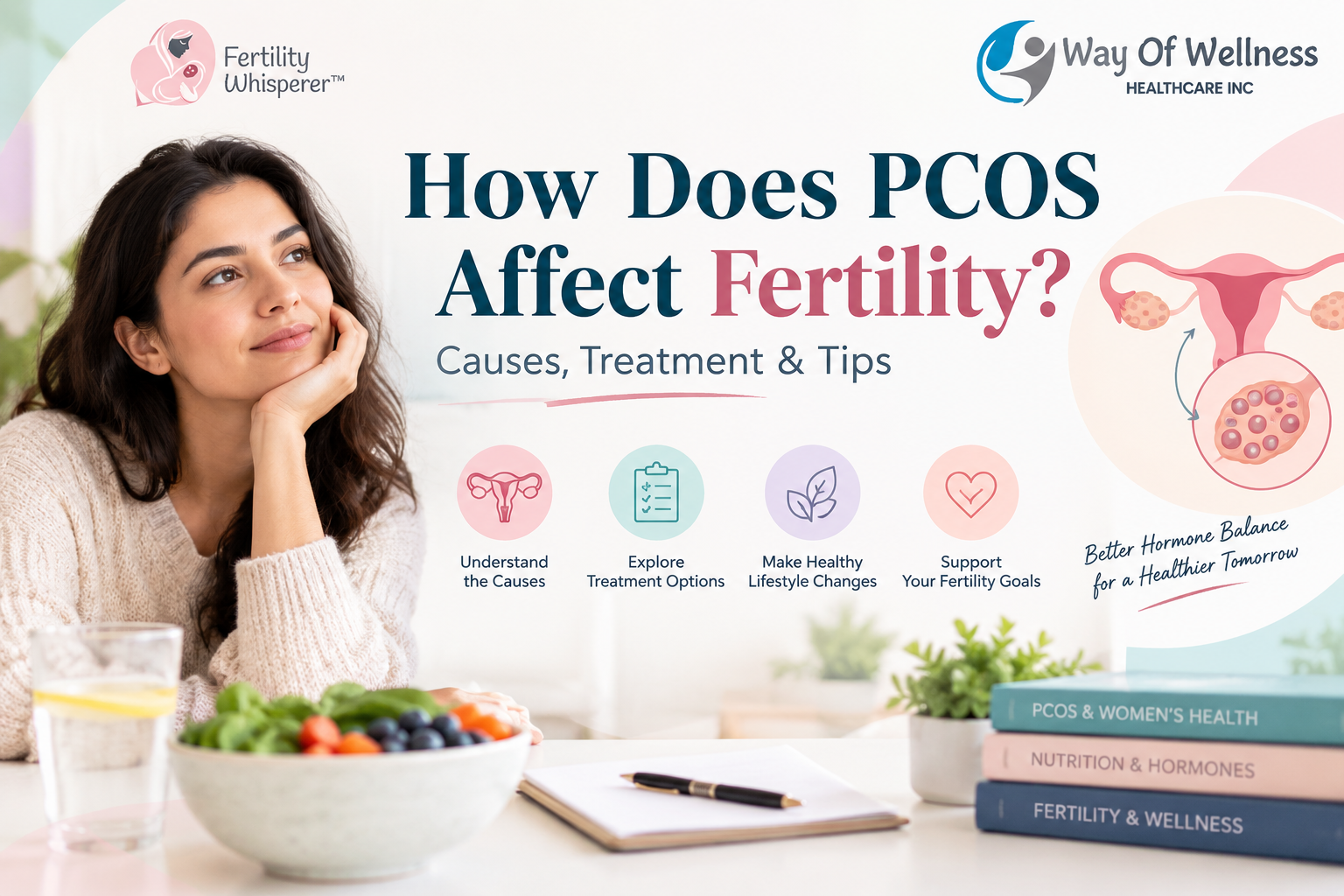
PCOS impacts fertility primarily by affecting ovulation; however, this does not mean that conception cannot occur for women with PCOS. Conception is achievable with proper assessment and treatment.
Connection Between PCOS and Fertility
Polycystic ovary syndrome is characterized by hormone imbalance as well as metabolic problems associated with menstrual cycles, ovulation, androgen levels, and insulin regulation. Irregularity or lack of ovulation is one of the major effects of PCOS on fertility.
Hormonal fluctuations during the menstrual cycle cause the development and release of the egg. In PCOS, ovulation takes place occasionally or unpredictably. Consequently, a woman may experience prolonged cycles, irregular periods, or months without having any periods.
For instance, where a cycle lasts between 40 and 60 days, ovulation may occur occasionally, hence reducing the chances of conception. Additionally, an irregular cycle makes calendar fertility tracking inaccurate.
It should be noted that polycystic ovaries do not necessarily cause infertility. PCOS infertility is often associated with irregular ovulation; however, other factors like sperm health, fallopian tube issues, age, and ovary health can influence conception as well.
How Does PCOS Affect Ovulation?
Several hormonal and metabolic factors can contribute to irregular ovulation.
Insulin resistance
Many women with PCOS have insulin resistance, although not everyone with PCOS does. When the body becomes less responsive to insulin, the pancreas may produce more insulin to compensate. Higher insulin levels can interact with ovarian hormone production and contribute to increased androgen levels.
Higher androgen levels
PCOS is often associated with elevated androgen activity. Excess androgen can interfere with normal follicle development, making it difficult for a dominant follicle to mature and release an egg.
Irregular menstrual cycles
Irregular periods are often a visible sign that ovulation is not occurring consistently. However, having a monthly bleed does not always prove that ovulation has occurred, so fertility assessment may require more than tracking period dates.
Does PCOS Mean You Cannot Get Pregnant?
No. PCOS shouldn’t be considered an everlasting obstacle to becoming pregnant.
According to the 2023 international evidence-based guidelines for PCOS, patients should be assured of their ability to conceive naturally or with help. The choice of treatment method will depend on the presence or absence of ovulation and other fertility problems.
For example, in case a woman with PCOS has irregular periods and nothing else, her treatment will probably involve only attempts to restore or induce ovulation rather than any assisted reproduction techniques.
It is important to understand this difference because the right treatment of infertility must deal with the underlying problem, not automatically assume that a person with PCOS has to go through IVF.
When Should You Consult a Fertility Specialist?
You should probably consult a fertility specialist if you are a woman with PCOS who experiences difficulties getting pregnant, especially in the case of irregular and infrequent menstrual cycles.
You don’t necessarily have to wait for a certain period of trying because you already know that you rarely ovulate.
A fertility assessment may include:
- Menstrual and ovulation history
- Hormonal and metabolic testing
- Ovarian and pelvic assessment
- Semen analysis for the male partner
- Assessment of fallopian tube patency when appropriate
- Review of medications, supplements, and previous fertility treatment
The PCOS guideline recommends considering individual circumstances when deciding whether and when to assess tubal patency, particularly before ovulation induction or intrauterine insemination.
PCOS Treatment for Fertility
PCOS treatment depends on the person’s symptoms, reproductive goals and other fertility factors.
1. Lifestyle and preconception health
Healthy nutrition, regular physical activity, adequate sleep and management of metabolic health can form part of preconception care.
This does not mean that every woman with PCOS needs to lose weight before attempting pregnancy. Weight stigma should be avoided, and care should focus on improving overall health and fertility rather than pursuing a particular body size. The international guideline notes that excess weight can adversely affect pregnancy, miscarriage and live-birth outcomes following infertility treatment.
Practical steps include reviewing blood pressure and blood glucose when indicated, taking recommended prenatal vitamins and discussing medications or supplements with a qualified healthcare professional before conception.
2. Ovulation Induction
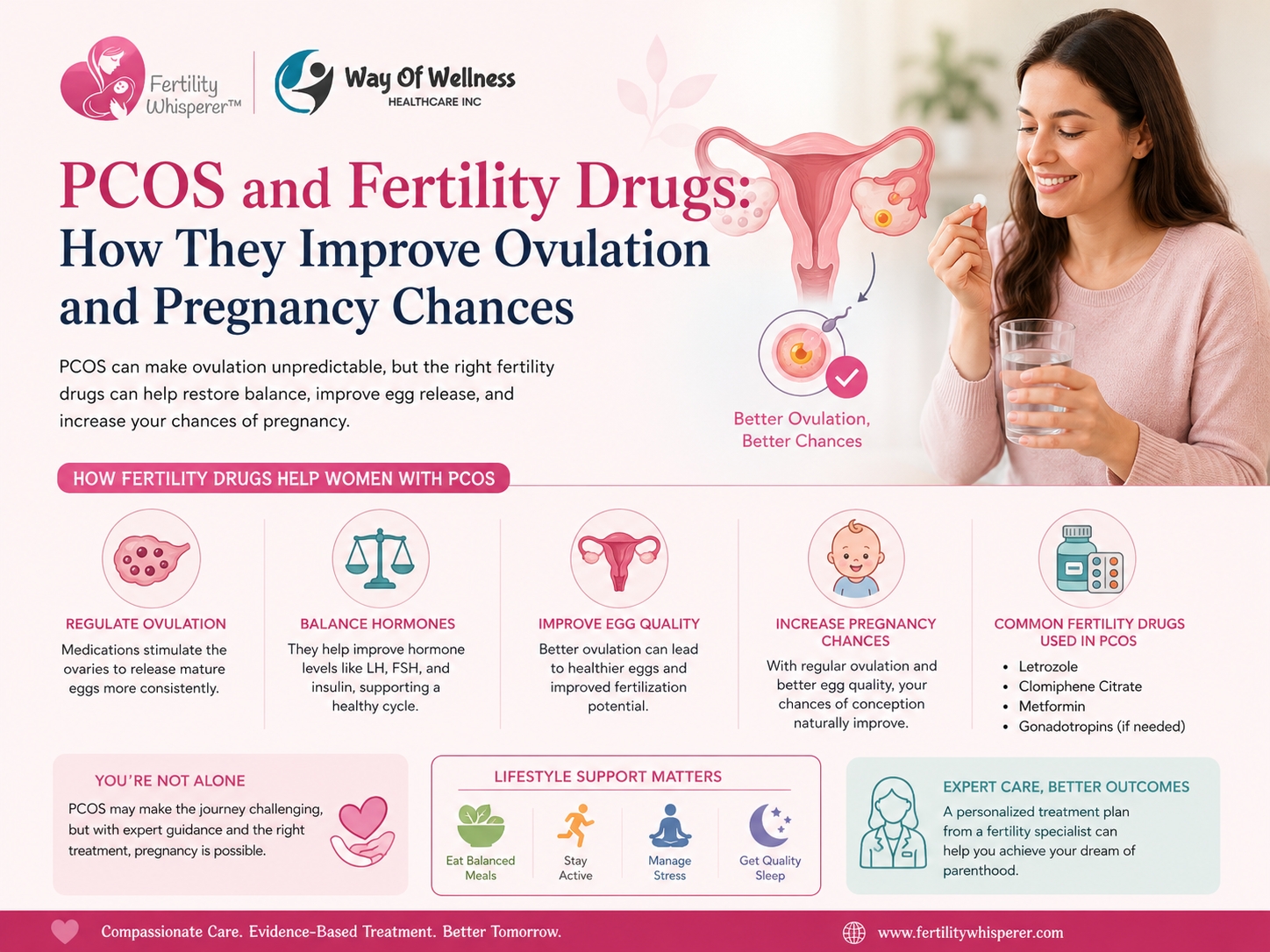
In the case of PCOS, where infertility is due to lack of ovulation and the absence of other factors of infertility, letrozole is the medication suggested as the first-line option for the induction of ovulation according to the international guidelines of 2023.
The other options could be clomiphene citrate, metformin, or gonadotropins. These medications are not interchangeable and require professional selection and monitoring. Metformin could be helpful for selected women with PCOS, especially concerning metabolic problems, but it cannot be considered the most efficient medication for the induction of ovulation in this case.
3. IUI or IVF
In the case when the treatment for ovulation induction does not lead to conception, or another fertility issue is diagnosed, the next steps might be treatments like intrauterine insemination or IVF.
It is not automatically assumed that if one has PCOS, they should go through the procedure of IVF.
Practical Tips for Improving Fertility With PCOS
If you are trying to conceive with PCOS, focus on measurable steps rather than trying multiple treatments at once.
Track your cycles for at least 2–3 months. Record the first day of each period, cycle length, and unusual bleeding patterns. This gives your clinician useful information about your ovulatory pattern.
Do not rely solely on an app’s predicted fertile window. With irregular cycles, calendar predictions may be inaccurate because ovulation may not occur when the app expects it.
Review your medications and supplements. Some medications used for PCOS symptoms are not appropriate during pregnancy. Discuss what you are taking before actively trying to conceive.
Check both partners when indicated. PCOS may explain irregular ovulation, but it does not rule out male-factor infertility or other reproductive problems.
Prepare your medical records. Previous ultrasound reports, blood tests, cycle information and fertility treatment records can make an initial fertility consultation more productive.
Use complementary care appropriately. Fertility Whisperer™ describes an integrative approach involving areas such as acupuncture, nutrition and wellness support. Such approaches may be used alongside conventional fertility care, but they should not replace appropriate reproductive evaluation or evidence-based infertility treatment when these are needed.
When to Seek Professional Help
Do not assume that irregular periods simply need to be “fixed naturally” before you can seek fertility care. Persistent irregular or absent periods can indicate inconsistent ovulation and deserve proper assessment.
A fertility specialist can determine whether PCOS is actually the main factor affecting conception and whether treatment should focus on ovulation, another fertility factor, or a combination of issues.
The goal is not simply to make periods more regular. For someone trying to conceive, the more important question is whether healthy ovulation is occurring and whether other factors could be affecting pregnancy.
Author Bio
Dr. Shasta Ericson, L.Ac., D.A.O.M. is a California-licensed acupuncturist and Doctor of Acupuncture and Oriental Medicine with more than 30 years of experience in holistic medicine. Her professional focus includes women’s health and fertility, and she developed the Fertility Whisperer™ program and fertility-focused wellness resources. Her approach combines traditional Chinese medicine, functional medicine and individualized wellness support while recognizing the importance of collaboration with conventional reproductive and fertility care when medical evaluation or treatment is required.
Frequently Asked Questions
Does PCOS lead to infertility?
PCOS can result in infertility, especially as it tends to affect the ovulatory process in women. Yet, PCOS-related infertility can be treated effectively, and many women with PCOS conceive both naturally and through reproductive technologies.
What is the best PCOS fertility treatment?
The internationally recognized guideline is to prescribe letrozole to patients with PCOS having anovulatory infertility with no other causes of infertility. A qualified health care provider should conduct personalized treatment.
Can I conceive naturally with PCOS?
Yes, PCOS does not exclude conception without the help of medical assistance. It depends on the presence of ovulatory cycles and fertility issues.
Should I consult a fertility specialist in case of irregular periods?
Yes, in case you experience very irregular cycles or absence of periods while trying to conceive, it is wise to undergo an assessment of your fertility to check ovulation and other potential fertility problems.