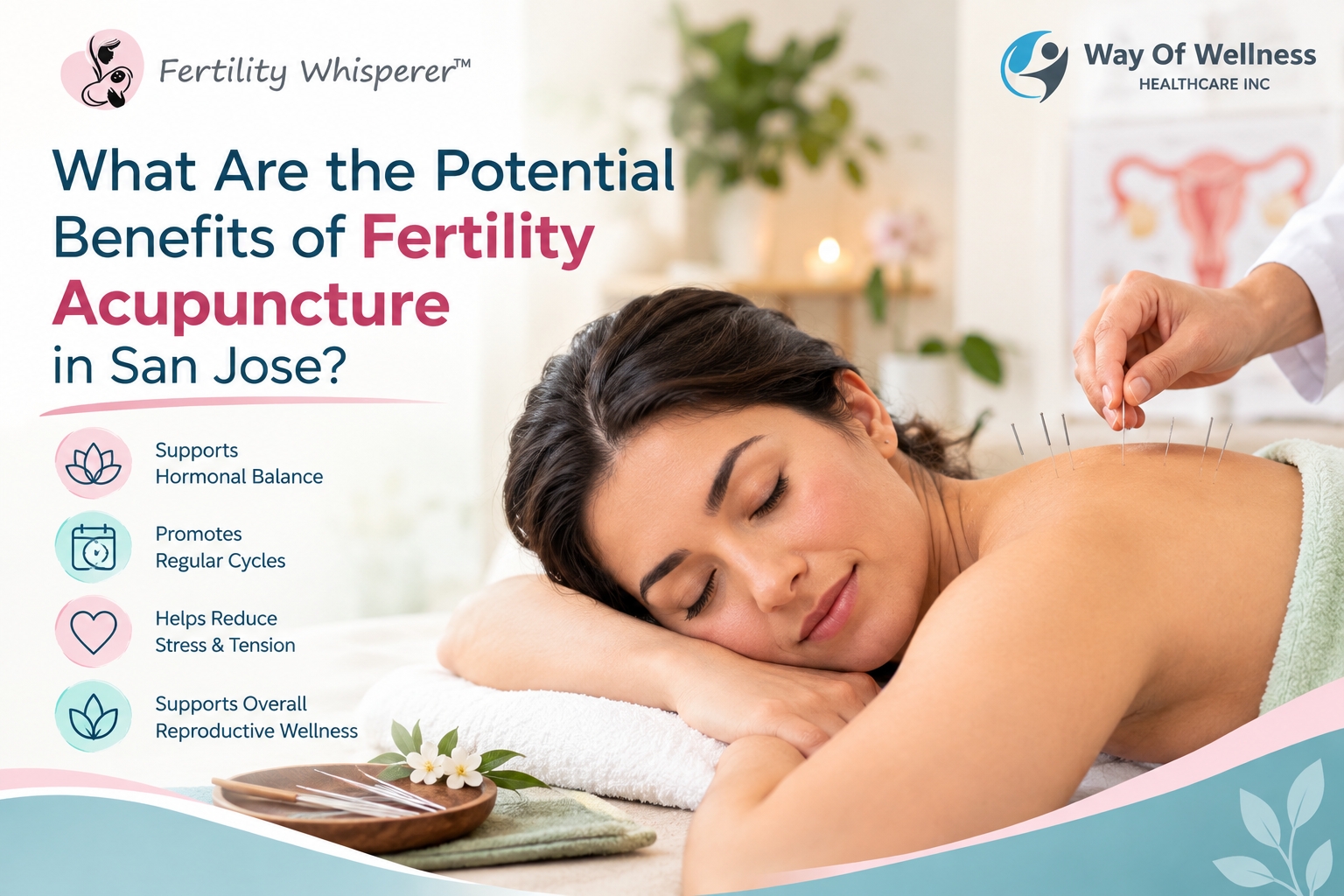
Fertility acupuncture in San Jose could be an option for those individuals who wish to reduce their stress levels, be relaxed while going through fertility procedures, and deal with the emotional stress of getting pregnant. However, today there is no proof that fertility acupuncture positively impacts pregnancy rates and live births.
Why Fertility Acupuncture?
As a form of a complementary therapy, fertility acupuncture consists of needle insertion at particular body points. The therapy has origins in traditional Chinese medicine, where the method was used to treat various physical and emotional issues.
Acupuncture may be tried prior to conception without reproductive technologies but also as a supportive treatment for fertility problems and combined with such techniques as ovulation induction, intrauterine insemination or in vitro fertilization.
It depends on your case, but keep in mind that acupuncture cannot replace fertility tests, diagnosis, and scientifically proven treatment of fertility issues.
5 Potential Benefits of Fertility Acupuncture in San Jose
1. Might Help Relieve Stress Associated With Fertility Treatments
Trying to conceive may be accompanied by uncertainties, frequent visits to doctors, medications, and other challenges. The process may become stressful if it takes more time than originally expected.
Acupuncture may help relax people. Studies have shown that this method may affect how the body processes pain and reacts to stress; however, there are significant variations depending on conditions and research methods.
For instance, a person undergoing IVF treatment may include acupuncture in his or her stress-relief regime along with such measures as proper rest, exercise, and psychological comfort.
Expected effects: Acupuncture may induce relaxation during a treatment session, but it cannot ensure stress relief and fertility enhancement. Counseling and mental health assistance may be helpful in case of severe stress caused by fertility issues.
2. May Support Emotional Well-Being
Fertility challenges can affect relationships, confidence, and everyday life. People may feel pressure to remain positive even when they are worried or disappointed.
A scheduled acupuncture appointment can provide dedicated time to pause and focus on personal well-being. Some individuals find the quiet setting and practitioner interaction helpful during an otherwise demanding period.
This benefit is primarily about coping and quality of life, not proof that acupuncture changes reproductive outcomes. If you experience persistent sadness, anxiety, or difficulty managing daily activities, consider speaking with a qualified mental health professional familiar with fertility concerns.
3. May Help Manage Certain Pain Symptoms
Several forms of pain have been examined in relation to acupuncture, including menstrual cramping and chronic pelvic pain. Research indicates that acupuncture might provide some form of symptom relief, but this is conditional to the specific problem that is being treated.
In the case of painful periods, acupuncture treatment might be considered in consultation with a doctor.
Nevertheless, painful menstruation could sometimes be due to other underlying diseases like endometriosis or fibroids. In such a case, acupuncture could delay necessary medical consultation if your pain is severe, getting worse, or you are experiencing excessive bleeding.
It is also essential to bear in mind that reducing the symptoms of period pain will not improve ovulation or conception chances.
4. May Complement an Individualised Fertility Care Plan
Fertility concerns can have different causes, including ovulation disorders, blocked fallopian tubes, sperm-related factors, and age-related changes in reproductive potential.
Acupuncture may be included in a broader wellness plan if you find it helpful and your healthcare team considers it appropriate. A practitioner may discuss your treatment schedule, comfort, stress levels, and general well-being before recommending sessions.
Some research has investigated acupuncture around embryo transfer during IVF. However, findings have been inconsistent, and higher-quality evidence has not established a reliable improvement in live birth rates. Acupuncture should therefore be considered optional supportive care rather than a treatment that makes IVF more successful.
Do not postpone fertility investigations or time-sensitive treatments to complete an acupuncture course.
5. May Encourage a More Structured Wellness Routine
Fertility care often involves several overlapping responsibilities, from tracking menstrual cycles to attending medical appointments. A complementary therapy may encourage some people to pay closer attention to sleep, stress, and daily routines.
Acupuncture itself is not a replacement for healthy habits or medical care. However, it can be one part of a practical routine that includes balanced nutrition, appropriate physical activity, avoiding tobacco, limiting alcohol when trying to conceive, and taking folic acid as recommended before pregnancy.
The goal is to support overall well-being without creating the impression that conception depends on following a perfect lifestyle.
Is Fertility Acupuncture Safe?
Generally speaking, the procedure is fairly safe when done by a qualified professional using sterile and single-use needles. There may be mild pain, some bleeding, bruising, or dizziness.
Let your acupuncturist know beforehand if you are pregnant, take blood-thinning drugs, have a bleeding problem, or are on ovarian stimulation.
Avoid taking Chinese herbal medicines or fertility supplements without consulting your fertility doctor. There may be interactions with your fertility drugs, or the supplement may not be good for pregnant women.
How to Find San Jose Fertility Acupuncture
When choosing which one to try, pay attention to these useful questions:
Professional background: Is he/she a California licensed practitioner who has studied acupuncture?
Fertility treatment knowledge: Does he/she understand the menstrual cycle, IVF schedules, and requirements of fertility patients?
Personalized approach: Is he/she ready to consider your medical history, current symptoms, and fertility treatment?
Safety measures: Does he/she use sterile single-use needles and discuss side effects?
Practical approach: Does he/she realize that there is little proof and does not promise a pregnancy?
Fertility Whisperer™ offers a fertility-focused approach that incorporates acupuncture and broader wellness practices. Before beginning, clarify the services offered, expected costs, proposed treatment schedule, and how the practitioner of fertility acupuncture will coordinate with your reproductive healthcare team.
Author Bio
Dr. Shasta Ericson, L.Ac., D.A.O.M., is a licensed acupuncturist and Doctor of Acupuncture and Oriental Medicine with decades of experience in holistic healthcare. According to her professional website, she has more than 30 years of experience and focuses on fertility, women’s health, acupuncture, nutrition, and natural functional medicine. Through Fertility Whisperer™, she provides fertility-focused complementary wellness support.
Frequently Asked Questions
1. Can fertility acupuncture help you get pregnant naturally?
It may support relaxation and help manage certain symptoms, but there is insufficient evidence that it reliably increases natural conception rates. The outcome depends on factors such as age, ovulation, reproductive health, and sperm quality.
2. Does acupuncture improve IVF success rates?
Research has not established a consistent improvement in live birth rates from acupuncture around embryo transfer. It may be used for supportive care, but it should not replace or delay recommended IVF treatment.
3. When should I start fertility acupuncture?
There is no scientifically established ideal starting point. Discuss your goals and treatment schedule with your acupuncturist and fertility specialist before deciding when to begin.
4. How many acupuncture sessions are needed for fertility?
There is no universally recommended number of sessions for improving fertility. Frequency depends on your goals, symptoms, budget, and practitioner’s assessment. More sessions do not guarantee better outcomes.
5. Can I combine acupuncture with fertility medication?
Often, acupuncture can be considered alongside medical fertility treatment, but inform both providers about your medications and planned procedures. Avoid unapproved herbs or supplements.